Discover our high-precision manufactured kitchenware and daily storage solutions, meticulously crafted to align with the spatial efficiency, safety compliance, and aesthetic elegance expected by Japanese consumers.
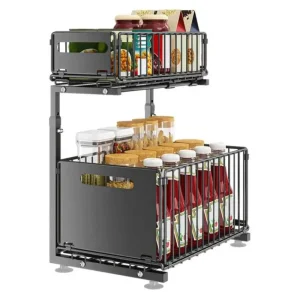
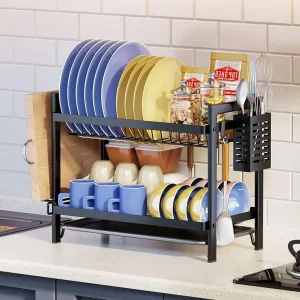
The Japanese market for daily necessities and kitchen supplies is defined by unique demographic trends and strict residential layout constraints. With a rising single-person household rate (estimated to reach 40% by 2030) and an aging population, space-saving design and high usability are critical. Residences in major metropolitan areas such as Tokyo, Osaka, and Yokohama prioritize space optimization, directly driving demand for compact, multi-functional kitchen organizers.
Japanese consumers and retail conglomerates (such as Nitori, Muji, and Daiso) demand high product refinement, reliable structural integrity, and clean design aesthetics (typically minimal neutral tones like matte white, grey, and black). Products like under-sink organizers must maximize small cabinet clearances, while drying racks must fit slim kitchen countertops near sinks without creating water pooling issues. High humidity in Japan's summer months also requires antimicrobial and rust-resistant finishes on metal and plastic components.

Developing next-generation household goods requires a balance of environmental responsibility, material science, and automation.
Transitioning from standard petroleum-based resins to bio-resins, PLA, and high-performance recycled PP/PET. Developing biodegradeable coatings and zero-VOC powder-coated metals to meet global decarbonization goals and the Green Purchasing Law of Japan.
Integrating silver-ion (Ag+) and zinc-ion antimicrobial compounding directly into plastic injection molds and metallic coatings. This ensures a persistent 99.9% reduction rate in food-contact bacterial propagation, meeting JIS Z 2801 standards.
Utilizing high-speed CNC machinery and EDM techniques to lower tool tolerances to <0.005mm. This enables thin-wall injection moulding to reduce plastic mass by 15-20% without compromising structural load capacities.
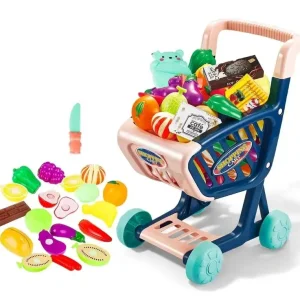
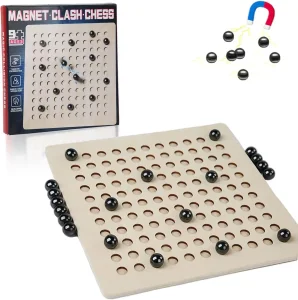
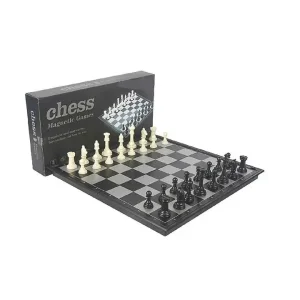
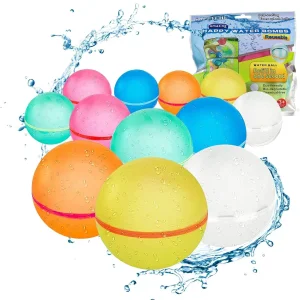
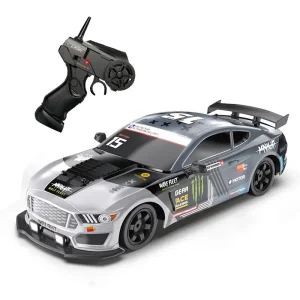
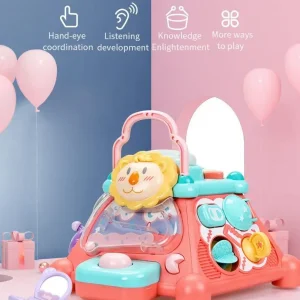
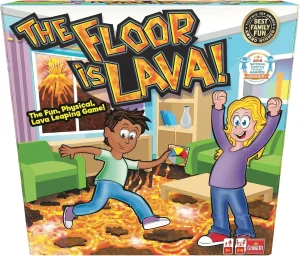
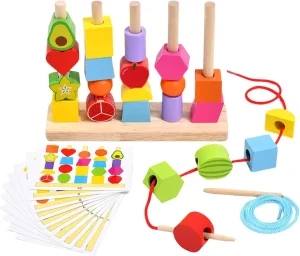
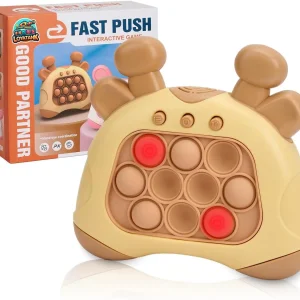
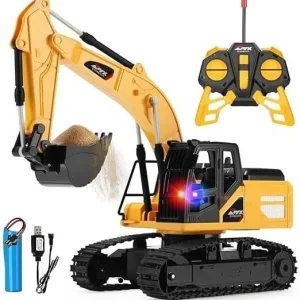
Expanding beyond household storage, our multi-category manufacturing network delivers high-quality educational and physical play systems certified for the Japanese domestic market.
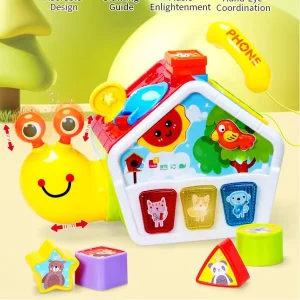
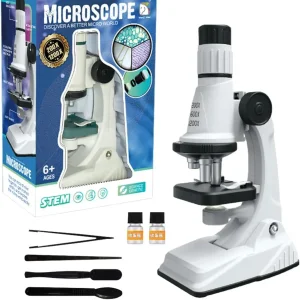
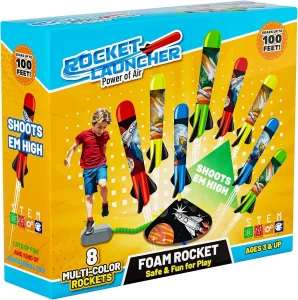
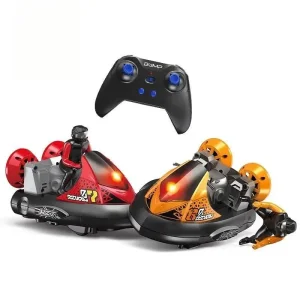
Importing daily necessities and food-contact kitchenware into Japan requires compliance with the Food Sanitation Act (食品衛生法) under the Ministry of Health, Labour and Welfare (MHLW). Any product coming into contact with food or kitchen tools must undergo strict material testing to prove it does not migrate harmful chemicals, phthalates, or heavy metals.
How we leverage smart factories, automated logistics, and direct raw material access to secure high quality at competitive price points.
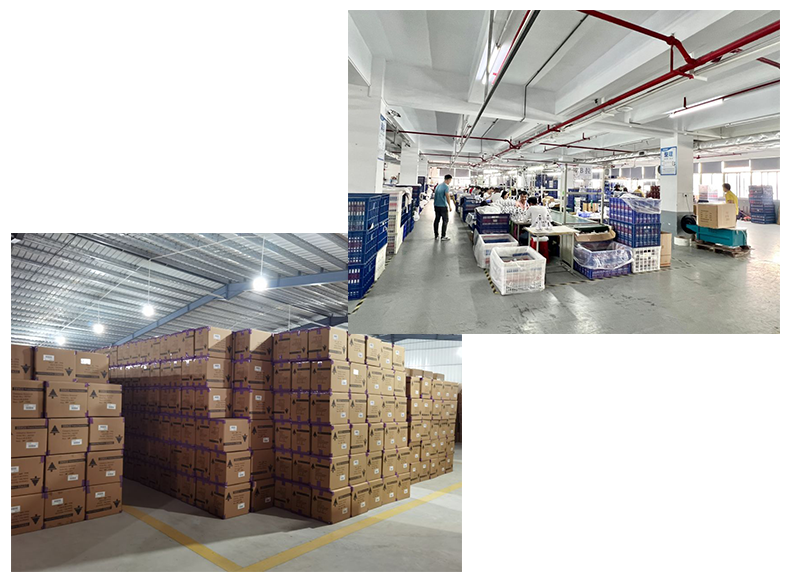
Our manufacturing plants utilize advanced Industry 4.0 automation. By deploying automated guided vehicles (AGVs), automated injection moulding equipment, and smart CNC routing, we reduce manual assembly error. Our structural steel fabrication facilities use automated welding cells to create clean joints and even coatings on every kitchen rack.
Operating out of strategic industrial clusters in Guangdong (including Chenghai, Shantou, and Shenzhen), we benefit from complete upstream and downstream integration. This allows us to source raw steel wire, food-safe plastics, eco-friendly cartons, and hardware components locally, keeping material supply lines robust. This proximity protects your orders from market price spikes and shipping delays.
We started as a small toy export company with just two people, operating from an office of less than 20 square meters and struggling with limited cash flow. Yet, through keen market insights, distinctive business strategies, and patient communication with our clients, we gradually earned recognition and trust. We understood early on that clients are not only looking for products, but also for partners who can truly solve problems and create value. With every collaboration, we strived to provide practical solutions and dedicated service, winning customer appreciation while accumulating valuable experience and building stronger relationships.
Over time, as our reputation grew and our expertise deepened, Ducky evolved from a small trading company into a full-category procurement service provider for global B2B clients. Today, we possess extensive industry experience and a wide supply chain network, enabling us to offer comprehensive procurement services covering toys, household goods, and a wide range of other products. We remain committed to our founding principle: to listen attentively to client needs and deliver efficient, professional, and flexible procurement solutions. In today’s increasingly competitive global market, we are more than just a supplier—we are a trusted long-term partner to our clients.
We are committed to offering our clients the highest-quality products and services at competitive prices. We strive to become a leader in the industry, delivering excellence to our customers.
Leveraging regional manufacturing hubs to export high-quality products to Japan and global markets.
We maintain a dedicated office in Chenghai, Shantou—a dynamic global hub of the toy and gift industry. Chenghai produces approximately 80% of the world’s toys. We collaborate closely with local manufacturers to design toys that meet international safety standards, ensuring every product is both safe and creative.
Throughout production, we pay close attention to detail, maintaining strict quality control so that each product provides satisfaction and value to our customers. This extensive quality-first framework informs our household and kitchen supply supply chains as well.
We also have a professional logistics team to ensure that every product is delivered safely and efficiently. From procurement to transportation, we oversee every step of the process, working with reliable logistics companies to guarantee on-time delivery and uncompromised quality.
Whether shipping full container loads (FCL) or less-than-container loads (LCL) to major ports like Tokyo, Osaka, Nagoya, or Kobe, our logistics team manages packing, sea freight, export clearance, and delivery to Japanese logistics centers.
Browse our catalog of custom-manufactured consumer goods. Contact our team to request physical samples or to discuss custom tooling options.
Key information regarding safety compliance, customization options, and lead times for Japanese B2B sourcing.
Yes. All food-contact materials (including PP, ABS, stainless steel, and silicone coatings) undergo rigorous migration testing at accredited international agencies (such as SGS or TÜV) to confirm they comply with the Japanese Food Sanitation Act (食品衛生法). We provide official test reports with every shipment to ensure straightforward clearance through Japanese customs.
For standard catalog items, the production lead time is typically 30 to 45 days after deposit confirmation and sample approval. Customized OEM orders requiring new mold creation take 45 to 60 days. Transit time from Guangdong ports to Tokyo or Osaka is typically 5 to 10 days.
Yes. We offer complete localized packaging support. We can print retail boxes, warning labels, and step-by-step assembly guides in natural Japanese. Our design team can work directly with your localized source files or prepare layout options for your approval.
Our standard MOQ depends on the product category. For metal storage racks and organizers, it typically ranges from 500 to 1,000 units. For plastic injection goods, the MOQ is generally 2,000 units. We offer flexible trial order programs for established distribution partners looking to test the Japanese market.
We apply a multi-tier quality assurance protocol. This includes: Raw Material Inspection (IQC) to verify plastic resin safety and steel alloy grades; In-Process Quality Control (IPQC) to monitor production lines; and Final Quality Control (FQC) to conduct AQL 2.5/4.0 inspections before container loading. We welcome third-party inspections from client-selected agencies.
We work to support Japan’s sustainability goals by sourcing recycled polymers, bio-resins, and FSC-certified pulp for packaging. We have also reduced structural plastic weights across our ranges to help B2B buyers comply with localized recycling and eco-product guidelines.
 Ducky Sourcing