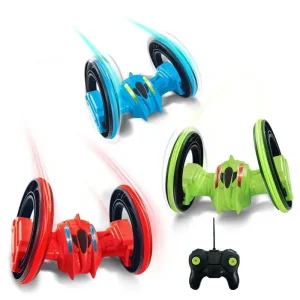
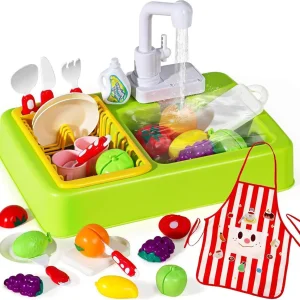
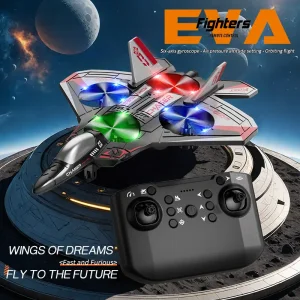
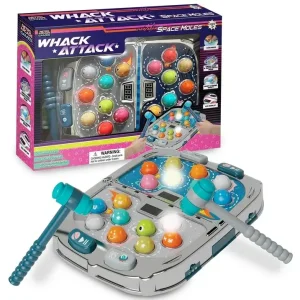
Explore our diverse baseline manufacturing capabilities—engineered with embedded electronics, smart illumination controls, and certified child-safe components.
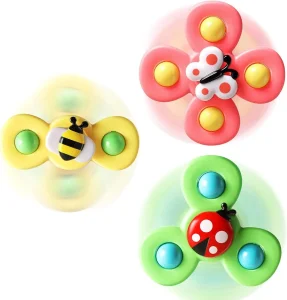
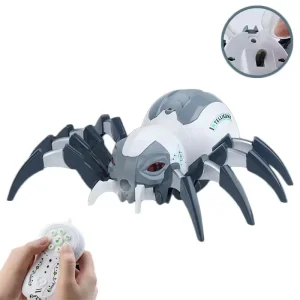

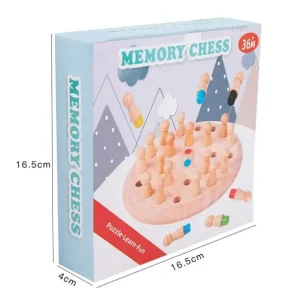
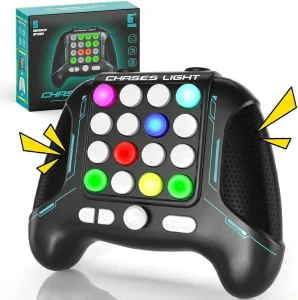
The modern table lamp is no longer viewed merely as a localized illuminant or static structural element. Influenced heavily by human-centric lighting (HCL) theory, structural energy efficiency protocols, and integrated IoT technologies, the global B2B procurement sector treats table lamp manufacturing as a specialized subset of precision electro-optical engineering. OEM table lamp factories must cross-functionally operate within both structural industrial design and electronic systems integration to deliver market-ready solutions.
At Ducky, our historical roots in high-precision modular construction, embedded sensory micro-circuitry, and international consumer electronics distribution have positioned us as a premier partner for global brands. By bridging the gap between dynamic mechanical engineering and high-efficiency optical assembly, we translate complex client design files into reliable, mass-market consumer and commercial-grade lighting fixtures.
"Information Gain in Modern Procurement: Successful table lamp customization hinges on understanding the interplay of color rendering indexes (CRI), driver flicker thresholds, and heat-sink dissipation curves."

An engineering-first breakdown of components, materials, and technological integration necessary to satisfy commercial standards.
Integrating high-density SMD2835 or COB light sources with strict color binning to guarantee consistent CCT (Correlated Color Temperature) output. We ensure a minimum CRI (Color Rendering Index) of Ra > 90 (or Ra > 95 for architectural and drafting applications) while maintaining power factors over 0.9 via flicker-free linear and switching DC-DC driver circuits.
Thermal management determines the MTBF (Mean Time Between Failures) of the LED engine. Our designs feature robust aluminum alloy heat sinks (T6063) or thermal plastics that keep junction temperatures below 75°C under continuous 24-hour load. Mechanical designs employ dual-axis friction hinges or weighted stabilization bases (tested up to a 15-degree tilt safety standard).
Implementation of capacitive touch dimming, gesture-based infrared proximity sensors, and integrated IoT microchips (Espressif ESP32 platform) for Zigbee/Wi-Fi/Bluetooth Mesh communication. Rechargeable designs incorporate certified high-capacity Lithium-Ion/Polymer cells (UN38.3, MSDS) with dedicated Battery Management Systems (BMS) for overcurrent and temperature protection.
The standard structural, optical, and regulatory framework applied by our engineering team to custom OEM runs.
| Specification Parameters | Standard Industrial Range | Ducky Custom Capability Range |
|---|---|---|
| Luminous Efficacy | 80 - 100 lm/W | Up to 125 lm/W (Option for high-efficiency architectural arrays) |
| Color Rendering Index (CRI) | Ra > 80 | Ra > 90, Ra > 95, or Full Spectrum (CRI > 98 with R9 > 90) |
| Color Temperature (CCT) | Fixed (2700K or 4000K) | Continuously Variable Tunable White (2700K - 6500K), RGBW, and Dim-to-Warm |
| Base Materials & Tooling | Standard ABS / Mild Steel | Aircraft-grade Aluminum, Engineered Polymers, Glass, Ceramic, Natural Wood |
| Dimming Protocol | Analog step-dimming | Flicker-Free PWM dimming, Linear DC Dimming, DALI, smart Tuya/SmartLife integration |
| Certification Compliance | Regional-specific | UL/cUL (E490XXX file registry), CE-LVD, CE-EMC, RoHS, FCC Part 15B, ErP, WEEE |
Understanding supply-chain vulnerabilities, cost mitigation, and development timelines for global brands, hospitality buyers, and large-scale retailers.
Global procurement directors face a recurring triad of challenges: erratic component lead times, hidden cost escalation in customized tooling injection molding, and sudden regulatory rejection at border checkpoints. Selecting an unverified OEM partner often leads to component mismatching, sub-par LED chip depreciation, and high return rates due to driver failure.
Ducky directly solves these vulnerabilities by using a highly structured Design for Manufacturing (DFM) assessment phase before cutting any steel mold. Our localized industrial engineering base allows us to manage steel grade options (such as H13 or S136 for plastic injection molds), optimize heat dissipation flow, and coordinate driver sourcing protocols, reducing downstream quality failures to less than 0.15%.
Sustainable procurement demands material verification. We source only flame-retardant polymers (UL94 V-0 rated) for electronic enclosures and supply material test certificates (MTR) for all metal alloys. Our logistics arm handles consolidated container packing to ensure fragile components arrive without structural deformation.
By leveraging Shantou Chenghai's industrial infrastructure—which produces a vast share of global molded structures—we utilize rapid high-volume injection tooling lines to reduce typical mold-creation lead times from 45 days down to just 28 days, speeding up time-to-market for seasonal product campaigns.
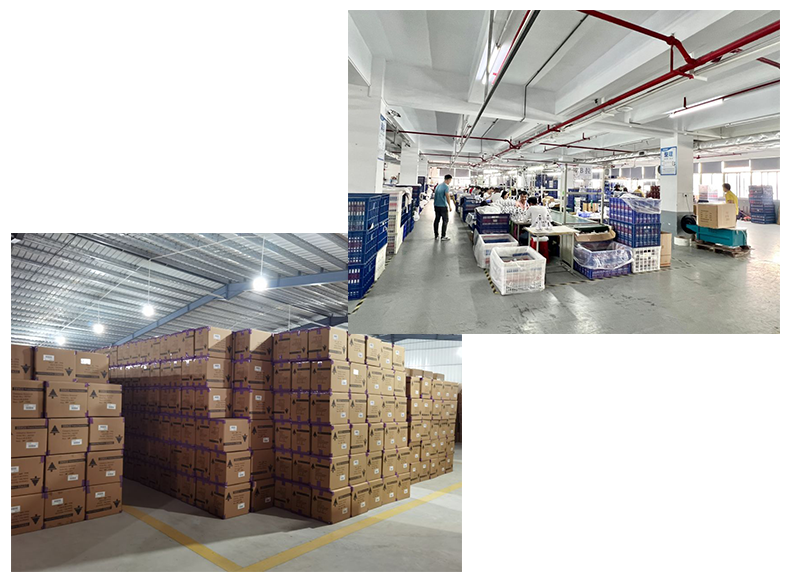
We started as a small, specialized export company with just two people, operating from an office of less than 20 square meters and navigating tight capital cycles. Through keen market insights, flexible product positioning, and patient communication with our international partners, we earned the trust of global buyers. We understood early on that clients are not simply searching for products; they are searching for long-term partners capable of resolving engineering roadblocks and delivering commercial value.
Over time, Ducky evolved from a specialized trading group into a comprehensive, multi-category procurement and OEM manufacturing provider for global B2B clients. Today, our Shantou Chenghai-based office operates at the heart of the world’s toy, plastic injection molding, and consumer electronics capital—an area responsible for approximately 80% of the world's molded electronics and toys.
Through close, continuous integration with local manufacturers, we ensure that every custom component meets strict international safety regulations. From product design evaluation, material testing, and tooling to final ocean logistics and container consolidation, we oversee the entire supply chain with rigorous quality control, ensuring consistent delivery on schedule.
At Ducky, we are committed to providing our clients with high-quality custom manufacturing and supply chain services at competitive prices. We strive to be an industry leader, delivering outstanding value at every stage of the manufacturing cycle.
Every production batch undergoes a series of mechanical and electrical tests to prevent field failures and ensure long-term reliability.
We conduct high-voltage dielectric withstand testing (Hipots) to ensure insulation integrity, along with 4-hour burn-in tests at 40°C ambient room temperature to identify early component failures in LED drivers and control boards.
Our testing includes 1-meter multi-angle drop tests on finished packaging to ensure product safety during transport, as well as mechanical lifecycle testing (10,000 hinge rotations) for all adjustable arms and lamp joints.
Integrating sphere testing measures total lumen output, efficacy, and CRI accuracy, while goniophotometer mapping plots luminous intensity distribution to verify beam angles and ensure optimal glare control.
Key design trends and technology integration shaping the next generation of portable and desktop lighting.
Modern table lamps are transitioning into central hubs for connected workspaces. Future-ready designs feature integrated Qi2 wireless charging pads (up to 15W), USB-C Power Delivery ports (up to 65W for laptop charging), and native compatibility with the Matter smart home connectivity standard, enabling cross-platform control.
Advanced controllers automatically adjust light temperature and intensity throughout the day to align with natural circadian rhythms. This helps increase alertness during morning hours and reduce blue light exposure in the evening to improve sleep quality.
Using ocean-bound plastics, biodegradable polymers, and recycled aluminum structures to meet carbon reduction goals. Combining these with modular construction allows users to easily replace batteries or LED modules, extending the lifetime of the fixture and reducing electronic waste.
A detailed FAQ addressing common technical, regulatory, and logistics questions from B2B sourcing managers.
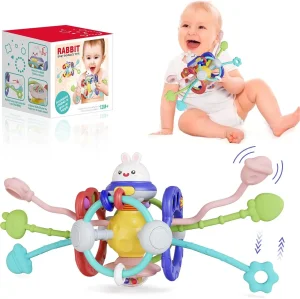
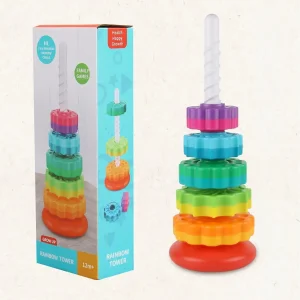
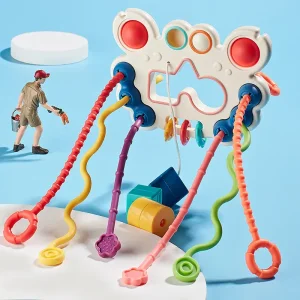
Review additional manufacturing capabilities, showcasing our precision molding, integrated light engines, and multi-component assembly systems.
 Ducky Sourcing