The international market for dried herbs and spices is undergoing a significant transformation. Food safety compliance, extending shelf life, and branding differentiations have driven B2B procurement professionals, importers, and culinary brands to transition from bulk shipments to high-integrity pre-packaged container designs. Today, OEM Spices in Containers represent a highly competitive domain within the food processing and packaging sectors, where the configuration of the container is just as critical as the purity of the agricultural product it protects.
Industrial buyers are no longer simply assessing raw spices based on moisture levels and volatile oil content. Modern supply chains require turnkey packaging ecosystems. These ecosystems protect aromatic volatile compounds from oxidation, shield contents from light-induced ultraviolet degradation, and prevent moisture ingress, which can lead to clumping and microbial contamination.
Achieving optimal shelf-life and sensory preservation for dried spices requires meticulous engineering. Different container materials present distinct barrier properties, weight profiles, and commercial advantages:
Polyethylene Terephthalate (PET) offers high clarity, shatter resistance, and an excellent oxygen barrier. Ideal for commercial retail, it minimizes shipping weight and reduces fuel footprint during global logistics.
Amber, cobalt, and flint glass present absolute chemical inertness. They offer a 100% gas barrier, preventing the loss of volatile essential oils from premium spices like cardamom, saffron, and clove.
Integrated polypropylene (PP) grinder heads and multi-option shaker tops. Equipped with induction heat seals and pressure-sensitive liners to guarantee tamper-evidence and product safety.
Volatile Oil Retention (VOR) tests demonstrate that spices housed in containers with induction-sealed aluminum foil retain up to 34% more aroma compounds after 12 months in transit compared to standard pressure-sensitive paper seals.
Both European and North American buyers are increasingly demanding PCR plastics and lightweight glass configurations. OEM spice factories must adapt production lines to process bioplastics and post-consumer resins while maintaining food-contact compliance (EU Directive 10/2011 and FDA CFR 21).
Integrating QR codes directly onto spice container labels allows distributors to trace shipments back to agricultural origins. This level of transparency satisfies consumers' desire for clean labels and builds trust in the brand's supply chain.
North America: Demand centers on larger institutional containers (16 oz to 32 oz) featuring dual-action shaker caps designed for the food service industry.
Europe: Trends lean toward premium, aesthetic mini-glass containers featuring minimalist designs, wood-finish plastic closures, and organic single-origin spices.

We started as a small toy export company with just two person, operating from an office of less than 20 square meters and struggling with limited cash flow. Yet, through keen market insights, distinctive business strategies, and patient communication with our clients, we gradually earned recognition and trust. We understood early on that clients are not only looking for products, but also for partners who can truly solve problems and create value. With every collaboration, we strived to provide practical solutions and dedicated service, winning customer appreciation while accumulating valuable experience and building stronger relationships.
Over time, as our reputation grew and our expertise deepened, Ducky evolved from a small trading company into a full-category procurement service provider for global B2B clients. Today, we possess extensive industry experience and a wide supply chain network, enabling us to offer comprehensive procurement services covering toys, household goods, and a wide range of other products. We remain committed to our founding principle: to listen attentively to client needs and deliver efficient, professional, and flexible procurement solutions. In today’s increasingly competitive global market, we are more than just a supplier—we are a trusted long-term partner to our clients.
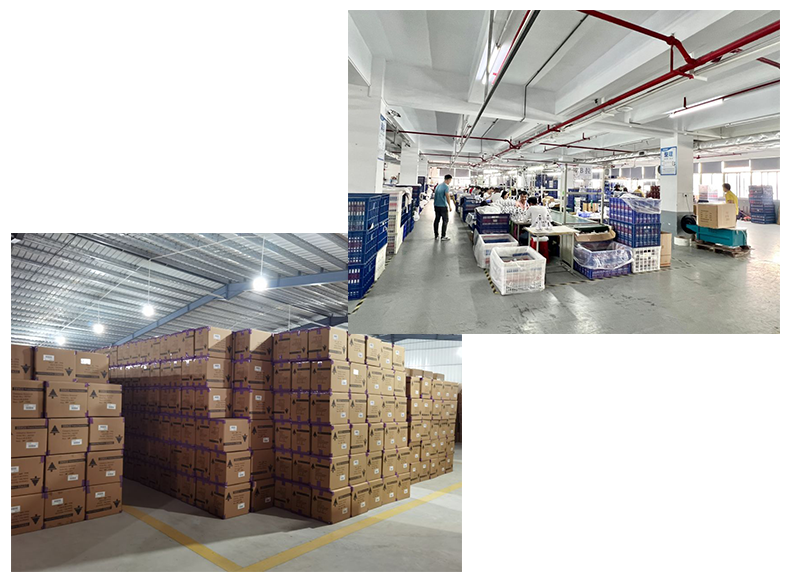
For enterprise clients, a transparent production workflow ensures brand protection and risk mitigation. Here is how our collaborative OEM manufacturing ecosystem handles bulk raw spices, processes them, and packages them into retail-ready containers:
 Ducky Sourcing