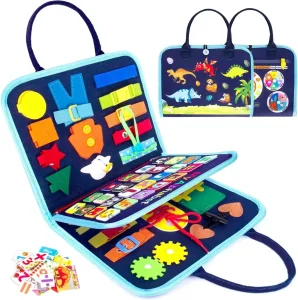
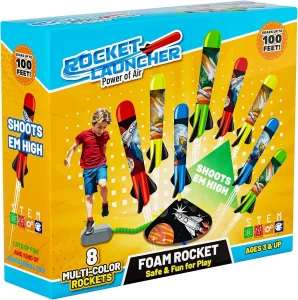
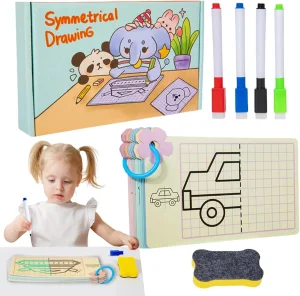
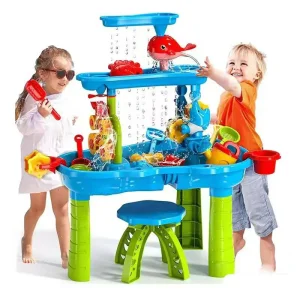
Explore our highly curated export collection, featuring precision manufactured hardware, kitchenware, and specialty learning systems.
A comprehensive B2B overview covering metallurgic standards, chemical polymerization, global distribution, and custom OEM manufacturing.
Over the past decade, the global culinary hardware industry has witnessed a monumental shift away from synthetic non-stick coatings containing PFAS, PFOA, and GenX chemicals. As international regulatory bodies like the European Chemicals Agency (ECHA) and the US EPA tighten restrictions, naturally seasoned cast iron has emerged as the premier ecological and functional alternative.
For B2B buyers, distributors, and brand owners, navigating this transition requires securing partnerships with OEM manufacturers who possess deep metallurgical expertise. A seasoned cast iron skillet is not merely cast metal; it is a complex molecular composite where vegetable oil or specialized lipids are heat-polymerized into a durable, hydrophobic matrix directly bonded to the micro-textured iron surface.
As a global supply chain orchestrator, Ducky leverages advanced foundry partnerships and quality assurance protocols to deliver OEM seasoned cast iron skillets that meet the rigorous operational requirements of commercial kitchens and the aesthetic demands of premium consumer brands.
Analyzing supply chain flows, key casting hubs, and macroeconomic trends influencing the commercial cast iron sector.
The manufacture of premium gray iron cast cookwares is concentrated in regions with access to high-grade iron ore and historical casting expertise. Automated DISA molding plants in Asia, specifically within specialized metalworking clusters, account for over 70% of global supply. This concentration ensures economies of scale, highly precise mold designs, and advanced electro-static seasoning line integrations.
Modern hospitality groups and fast-casual restaurant chains are increasingly adopting pre-seasoned cast iron skillets for tabletop service and back-of-house operations. The superior thermal retention and heat emissivity index (0.95+) of seasoned iron reduce energy consumption and maintain serving temperatures, proving vital for industrial kitchen efficiency.
Logistical weight challenges and packaging integrity are paramount in cast iron supply chains. Shipping heavy-density products globally requires strict moisture-prevention barriers inside freight containers to avoid flash rusting. High-volume buyers prioritize partners like Ducky that offer end-to-end container monitoring, professional load distribution, and integrated anti-humidity cargo packaging.
How we tailor foundry capabilities to meet the requirements of brands, hotels, and mass distributors.
| B2B Segment | Core Sourcing Challenge | OEM Solution Provided | Technical Spec Standard |
|---|---|---|---|
| Global Retail Brands | Brand differentiation, packaging durability, unique shape designs. | Custom laser debossing on mold bottom, bespoke color sleeve packaging, custom handle ergonomics. | ASTM A48 Class 20 Gray Iron, Custom CAD mold tooling. |
| Commercial Foodservice | Frequent thermal cycles, abrasive cleaning, extreme wear. | Heavy-duty thick base designs, multi-pass vegetable oil pre-seasoning (3-step bake cycle). | 5.5mm base thickness, 20-micron polymerized oil layer. |
| E-commerce Private Label | Transit damages (chipping, cracks), high shipping costs, negative reviews. | Drop-tested ISP-6A compliant mail-order packaging, lightweight alloy designs, pre-conditioned surfaces. | High-impact shock absorption foam, lightened sidewall profiles. |
The manufacturing blueprint: from molten iron to a perfectly polymerized seasoned skillet.
Utilizing high-pressure DISA molding lines. Molten iron heated to 1500°C is poured into compacted green-sand molds, guaranteeing consistent wall thickness and minimal surface pitting.
Castings undergo intense steel-shot abrasive blasting. This process strips residual sand and optimizes the micro-texture of the iron, creating high surface energy ideal for oil bonding.
High-purity organic soybean or flaxseed oil is vaporized and sprayed onto the iron utilizing electrostatic nozzles. This ensures an even coating down to the micron level across all surfaces.
The coated pans transit through gas-fired industrial ovens reaching 400°C–450°C. Fatty acids within the oil oxidize and cross-link, creating a hard, non-stick, rust-inhibiting polymer layer.
The industry is actively looking toward Thin-Wall Lightweight Cast Iron technologies, achieving up to 30% weight reduction without compromising thermal mass. Additionally, the development of natural multi-oil polymer blends (combining coconut, flaxseed, and grapeseed oils) promises a harder, more resilient factory finish that lasts longer through initial washing cycles. Advanced foundries are also integrating digital vision sorting systems that automatically detect casting flaws or uneven seasoning depth on the production line.
How we ensure cast iron exports meet target market legal guidelines and food-contact approvals.
For imports into the USA and Canada, our seasoned skillets undergo comprehensive testing to meet FDA GRAS (Generally Recognized As Safe) specifications. Tests ensure that the pre-seasoned oil does not leach chemical byproducts during heat cycles. Lead and cadmium content checks are conducted to satisfy California Proposition 65 thresholds, eliminating litigation risks for major consumer retail brands.
European shipments are audited in alignment with LFGB (Lebensmittel- und Futtermittelgesetzbuch) and EU Regulation 1935/2004. These verify that the mechanical and physical composition of the gray cast iron will not migrate heavy metals under acidic cooking conditions (such as handling high-acid tomato-based food profiles).
We maintain strict traceability of metal batches. Using optical emission spectrometers (OES), our foundries verify that scrap metal is strictly refined and free of radioactive contaminants, industrial wastes, or chemical traces prior to casting, providing an audit trail for institutional B2B buyers.
Understanding user intents across different commercial environments and global markets.
In American and European dining sectors, the skillet functions as both cooking vessel and rustic tableware. Superior thermal retention keeps steaks and side dishes sizzled through transport to the guest table, increasing sensory dining quality.
High-emissivity heating allows quick searing of proteins and stir-fry techniques on open gas induction stoves, acting as robust cooking alternatives to traditional carbon steel woks in high-throughput urban centers.
The outdoor retail market demands rugged cast iron with integrated camp-grate lips and double-spout pours. Our OEM casting allows structural modifications to withstand open-fire heat profiles.
Our transition from a local trade company to a global supply chain solutions provider.
We started as a small toy export company with just two person, operating from an office of less than 20 square meters and struggling with limited cash flow. Yet, through keen market insights, distinctive business strategies, and patient communication with our clients, we gradually earned recognition and trust. We understood early on that clients are not only looking for products, but also for partners who can truly solve problems and create value. With every collaboration, we strived to provide practical solutions and dedicated service, winning customer appreciation while accumulating valuable experience and building stronger relationships.
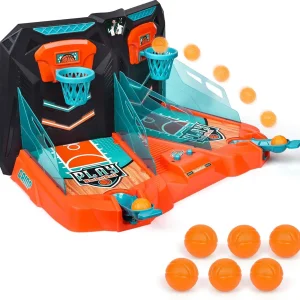
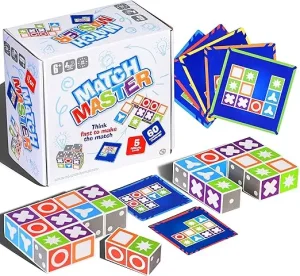
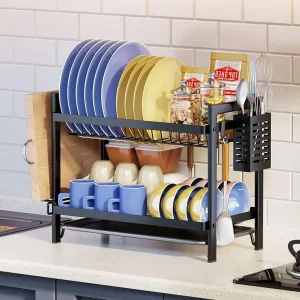
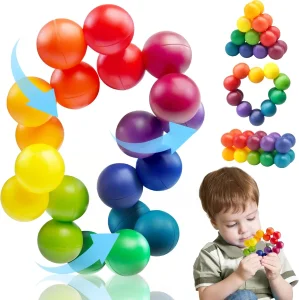
Over time, as our reputation grew and our expertise deepened, Ducky evolved from a small trading company into a full-category procurement service provider for global B2B clients. Today, we possess extensive industry experience and a wide supply chain network, enabling us to offer comprehensive procurement services covering toys, household goods, and a wide range of other products (including premium cast iron cookware and kitchenware). We remain committed to our founding principle: to listen attentively to client needs and deliver efficient, professional, and flexible procurement solutions. In today’s increasingly competitive global market, we are more than just a supplier—we are a trusted long-term partner to our clients.

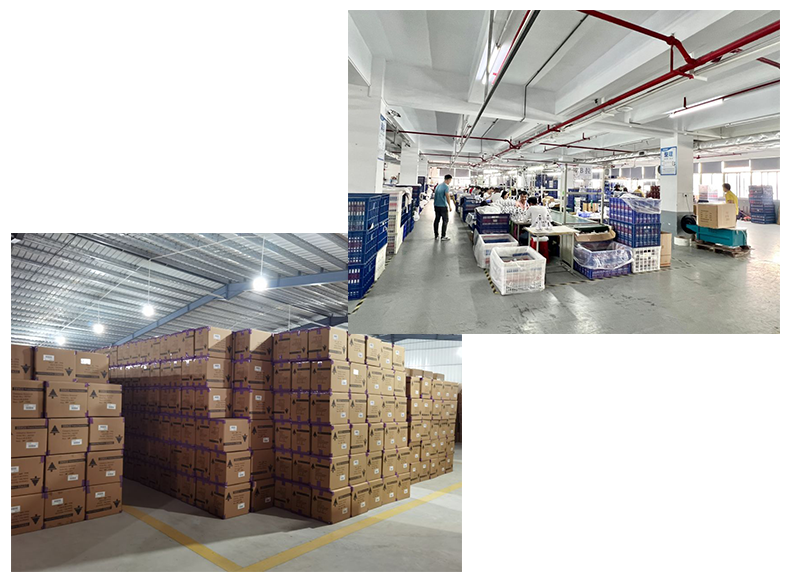
We are committed to offering our clients the highest-quality products and services at competitive prices. We strive to become a leader in the industry, delivering excellence to our customers.
We have an office in Chenghai, Shantou—a dynamic hub of the toy and gift industry. Chenghai produces approximately 80% of the world’s toys. We collaborate closely with local manufacturers to create products that meet international safety standards, ensuring every product is both safe and creative.
Throughout production, we pay attention to every detail, maintaining strict quality control so that each product provides satisfaction and value to our customers. We also have a professional logistics team to ensure that every product is delivered safely and efficiently. From procurement to transportation, we oversee every step of the process, working with reliable logistics companies to guarantee on-time delivery and uncompromised quality.
Answering high-intent queries submitted by global procurement managers and compliance officers.
Most automated foundries utilize food-grade kosher-certified soybean oil due to its high smoke point and favorable iodine value, which ensures consistent polymerization. For specialty premium lines, we can execute multi-stage cycles using flaxseed oil or rapeseed oil. This produces a harder, more scratch-resistant cross-linked carbon barrier.
Every batch of cast iron undergoes standard thermal shock testing. Random sample skillets are heated to 300°C and then immediately immersed in water at 15°C. Samples must show zero micro-cracking, warping, or structural changes to pass inspection. Additionally, metallurgical coupons are checked for gray iron graphite structures using microstructure examination.
Constructing custom 3D molding tooling typically requires 25 to 30 days. This includes initial CAD approval, CNC pattern engraving, sample trial casting, and finishing checks. Mass production lead time ranges from 35 to 45 days after sample sign-off, depending on the casting line capacity.
Every skillet is wrapped in VCI (Volatile Corrosion Inhibitor) packaging paper or food-grade poly bags with silica gel packets. Cartons are stacked on heavy-duty pallets wrapped in stretch film. We monitor humidity indexes during loading and only work with container carriers that manage moisture levels within international standards.
Yes, we support debossed or embossed logos and custom bottom designs. When engineered correctly (keeping depth below 1.5mm and maintaining uniform wall margins), custom bottom stamps do not impact heat retention, induction stove contact, or cooking efficiency.
Take a look at our expanded trade catalog, bridging consumer demands with our global supply chain network.
 Ducky Sourcing