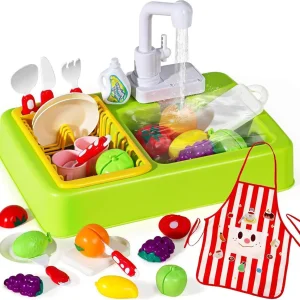
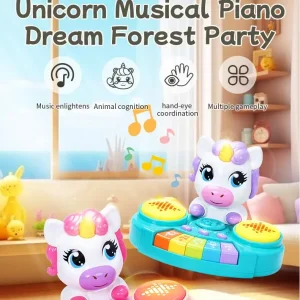
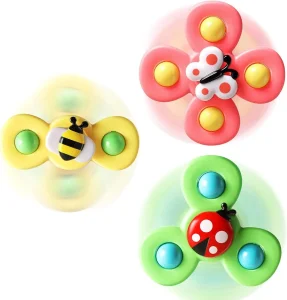
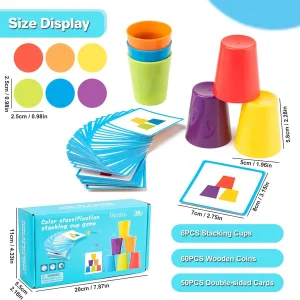
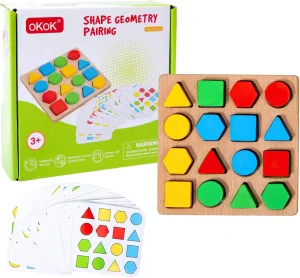
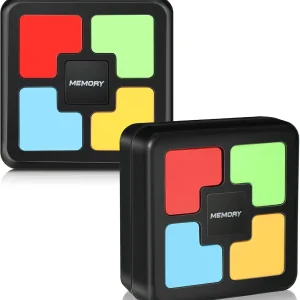
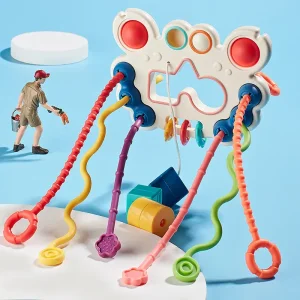
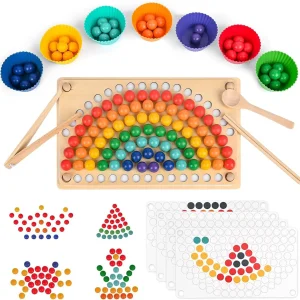
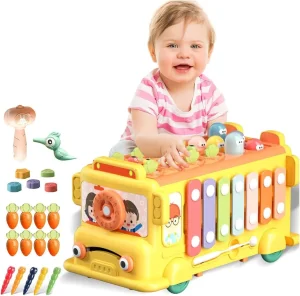
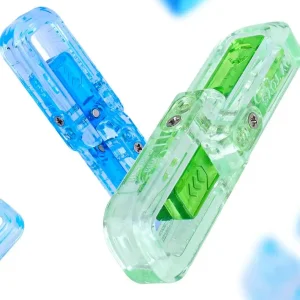
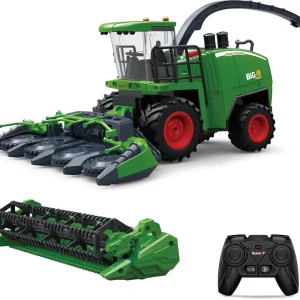
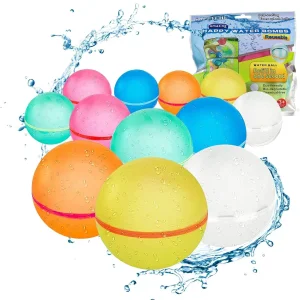
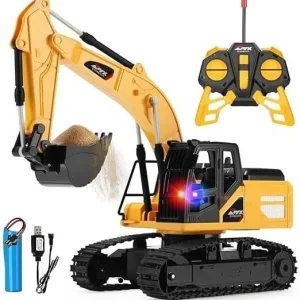
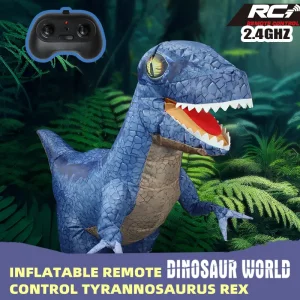
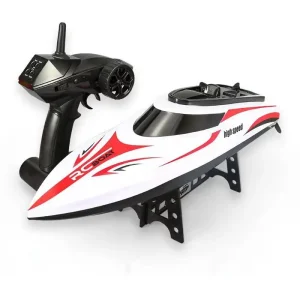
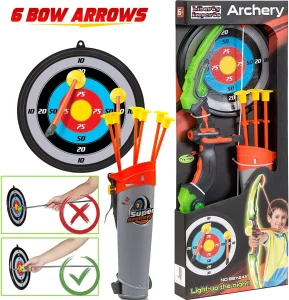
Explore our highly integrated consumer toy line, engineered to meet rigorous international standards for safety, material durability, and interactive entertainment. Each item is designed for global distribution and wholesale supply chains.
We started as a small toy export company with just two people, operating from an office of less than 20 square meters and struggling with limited cash flow. Yet, through keen market insights, distinctive business strategies, and patient communication with our clients, we gradually earned recognition and trust. We understood early on that clients are not only looking for products, but also for partners who can truly solve problems and create value.
With every collaboration, we strived to provide practical solutions and dedicated service, winning customer appreciation while accumulating valuable experience and building stronger relationships. Over time, as our reputation grew and our expertise deepened, Ducky evolved from a small trading company into a full-category procurement service provider for global B2B clients.
Today, we possess extensive industry experience and a wide supply chain network, enabling us to offer comprehensive procurement services covering toys, household goods, and a wide range of other specialized products. We remain committed to our founding principle: to listen attentively to client needs and deliver efficient, professional, and flexible procurement solutions. In today's increasingly competitive global market, we are more than just a supplier—we are a trusted long-term partner to our clients.

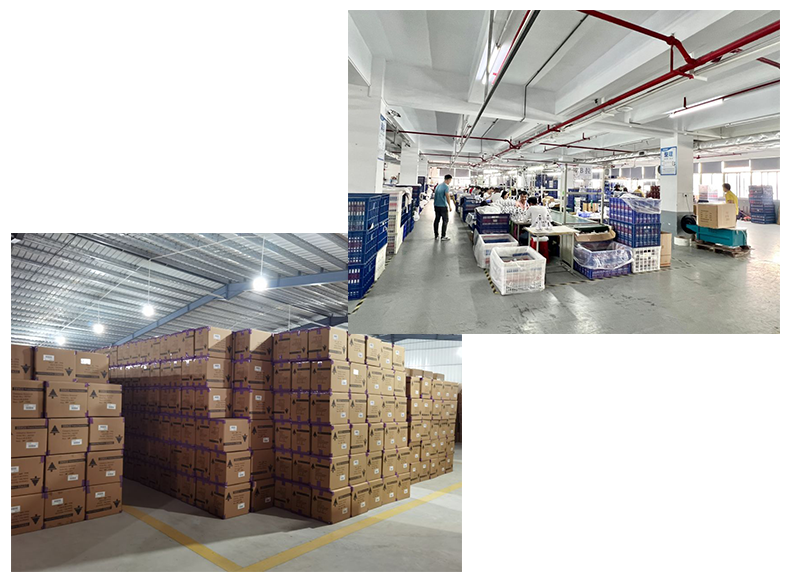
At Ducky, we are committed to offering our clients the highest-quality products and services at competitive prices. We strive to become a leader in the industry, delivering excellence to our customers through rigorous sourcing, strict inspection, and end-to-end logistics solutions.
We aim to provide the best experience for our clients, from the initial order to final delivery and beyond. We dedicate ourselves to delivering exceptional customer service and ensuring that our products are delivered with quality and sustainability in mind.
Our office in Chenghai, Shantou—a dynamic hub of the toy and gift industry—allows us to leverage the manufacturing power of a cluster that produces approximately 80% of the world's toys. We collaborate closely with local manufacturers to design toys that meet international safety standards, ensuring every product is both safe and creative.
As the demand for unmanned aviation and advanced RC (Radio Controlled) aeromodelling surges, finding a reliable OEM RC Radio Control Airplanes manufacturer and factory is essential for B2B enterprises, global distributors, and educational networks. Modern RC aircraft are no longer just basic playthings; they have evolved into high-performance aerodynamic machines. These platforms combine complex aerodynamics, sophisticated flight controllers (such as 6-axis MEMS gyroscopes), and state-of-the-art propulsion systems. Sourcing directly from an established factory cluster, such as the toy and electronics hubs in Guangdong (particularly Chenghai and Shenzhen), enables brands to scale their product offerings with significant cost efficiency and speed-to-market.
Commercial RC airplanes require a delicate balance between weight, durability, and lift. Our partner manufacturing lines leverage expanded polypropylene (EPP) and expanded polyolefin (EPO) foam matrices. Unlike fragile plastics or heavy balsa wood, EPP foam provides structural resilience and impact absorption, allowing trainer planes and hobbyist models to survive high-impact crashes. Integrated carbon-fiber spars reinforce wings to prevent flexing under high G-forces during aerodynamic maneuvers.
Performance hinges on the powertrain. Factories offer brushless outrunner motors (e.g., 2200KV-2600KV specs) paired with high-efficiency Electronic Speed Controllers (ESCs). These setups optimize current draw from Lithium Polymer (LiPo) batteries. For beginner entry-level models, brushed motor systems present a cost-effective, high-yield manufacturing path. We support standard configuration options ranging from 2-channel control (throttle and rudder) for child-oriented products to 4-channel setups (throttle, aileron, elevator, rudder) for advanced aerobatics.
To reduce the learning curve for novice pilots, modern OEM RC airplanes incorporate smart avionics. Hardware features integrated 6-axis gyroscopes, accelerometer chips, and barometer-based altitude hold systems. This technology dampens wind turbulence and self-stabilizes the aircraft when the pilot releases control. Advanced GPS modules enable return-to-home fail-safes and virtual geographical fences, preventing loss of control and protecting customer investment.
Sourcing directly from Chinese factory hubs like Chenghai, Shantou, gives global buyers a competitive edge. This cluster houses entire supply chains, from plastic injection molding and high-precision CNC tool design to electronic assembly lines and packaging design houses. This concentration reduces transportation and component assembly times, enabling rapid prototyping and shortened order lead times.
By bypassing third-party traders, direct OEM sourcing enables custom configurations. Buyers can specify motor sizes, battery capacities, and telemetry options. Raw material acquisition, such as buying EPP foam directly from chemical plants, lowers unit costs. Integrated electronics assembly lines ensure that components like ESCs and flight control boards are soldered and quality-checked within the same ecosystem, reducing quality issues.
Manufacturing is only part of the process. Reliable distribution depends on a robust logistics network. Our presence in Chenghai links our clients directly with bulk shipping ports in Shenzhen and Guangzhou. Quality control inspectors run testing procedures, including drop-testing, battery cycle assessment, radio frequency range tests, and flight wind tunnel simulations, ensuring that each product complies with safety protocols before departure.
Exporting RC airplanes involves navigating complex regional regulations. These guidelines govern radio frequencies, battery safety, and electronic waste management. Partnering with a compliant manufacturer ensures that products enter global markets without customs issues or legal liabilities.
RC planes utilize wireless transmitters operating on the 2.4GHz ISM band or the 5.8GHz band for FPV (First Person View) video. Manufacturers must design these systems to comply with the Federal Communications Commission (FCC) Part 15 regulations in the United States and the Radio Equipment Directive (RED) in Europe. Safe frequency hopping technology (such as FHSS) prevents interference, ensuring clean operation in crowded airspace.
High-capacity Lithium-Polymer (LiPo) batteries are categorized as dangerous goods. Manufacturers must provide UN38.3 test reports, Material Safety Data Sheets (MSDS), and drop-test documentation to comply with international air and sea transport regulations. Proper battery enclosures, protection circuits (preventing overcharging and deep discharge), and warnings are critical for customer safety and brand reputation.
Global markets require adherence to environmental laws, such as RoHS (Restriction of Hazardous Substances) and WEEE (Waste Electrical and Electronic Equipment) directives in the European Union. These regulations restrict lead, mercury, and cadmium in solder and electronic boards. Selecting non-toxic, recyclable packaging materials also helps brands align with shifting consumer expectations around sustainability.
Modern RC airplanes serve multiple demographics. While hobbyists remain a core audience, educational initiatives and commercial sectors are increasingly adopting these platforms for training and skill development.
Schools and community programs use build-it-yourself RC gliders and trainers to teach physics, aerodynamics, and structural engineering. Modular DIY kits allow students to learn about lift, drag, thrust, and gravity by assembling wing profiles and configuring control surfaces. Custom OEM packaging designed for educational use helps brands target this market.
Fixed-wing aircraft are widely used in agricultural monitoring, surveying, and security patrols. Flight training institutions utilize FPV (First-Person View) RC trainers to prepare professional pilots. By practicing in a low-risk environment with affordable EPP foam aircraft, trainees develop muscle memory and spatial awareness before operating expensive commercial UAVs.
For online retailers and physical hobby shops, offering pre-assembled, RTF (Ready-To-Fly) packages is key. RTF kits appeal to beginners by including the pre-bound transmitter, battery charger, and spare propellers in one package. Working with a flexible manufacturer allows brands to offer low MOQs, custom branding, and localized instruction manuals.
As consumer technology and industrial automation merge, the RC aviation industry is undergoing a digital transformation. Importers can capitalize on these trends to future-proof their product catalogs.
Traditional flight controllers rely on basic gyroscope feedback. Next-generation systems use microchips running predictive algorithms. These chips analyze wind resistance, atmospheric pressure, and pilot input in real-time, delivering smoother flight paths and automatically correcting control errors before crashes occur.
E-commerce brands face rising consumer demand for eco-friendly products. RC factories are researching biodegradable plastics and bio-sourced EPP foams. These materials reduce environmental impact without sacrificing the crash resistance and lightweight properties essential for flight performance.
Bluetooth and Wi-Fi modules integrated into transmitters allow RC airplanes to sync with smartphones and tablets. Custom apps track real-time telemetry, display battery voltage, GPS location, and airspeed, and feature interactive flight simulation modules for training before launching the physical plane.
To improve transportability and reduce shipping dimensions, manufacturers are moving toward snap-together modular designs. Wings, landing gear, and tail planes attach securely using quick-release clips rather than screws, reducing packaging sizes and saving shipping costs for online retailers.
Find answers to common questions about sourcing, customization, safety standards, and logistical compliance when importing RC airplanes in bulk.
Typical MOQs range from 500 to 1,000 units per model, depending on customization levels. Standard designs with basic branding changes require lower MOQs, while custom foam tooling molds and specialized electronics configurations require higher upfront order volumes to balance tooling costs.
For the US, products must have FCC Part 15 certification for radio frequency emissions, ASTM F963 compliance for toy safety, and UN38.3 testing for LiPo batteries. For the EU, CE marking, RoHS compliance, and RED (Radio Equipment Directive) approvals are required.
Yes, factories customize transmitter casings with branding and colors. Localized instruction manuals in English, German, French, Spanish, and Japanese are formatted and printed at the factory to match targeted retail markets.
All batteries undergo rigorous testing to secure UN38.3 certification. For maritime shipping, they are packed in specialized flame-retardant containers and marked as Dangerous Goods (Class 9). We handle freight routing to ensure smooth customs clearance at destination ports.
Discover our range of advanced RC vehicles and specialized developmental toys. These models are built to perform, offering long battery life, rugged frames, and precise response curves for high-traction play environments.
 Ducky Sourcing