Premium OEM educational, interactive, and structural toy designs from Ducky's global manufacturing portfolio.
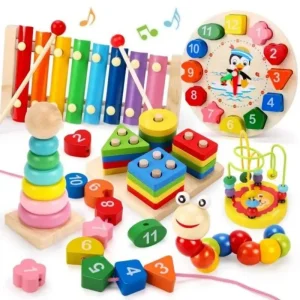
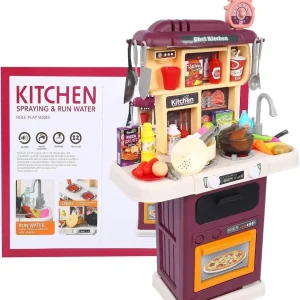
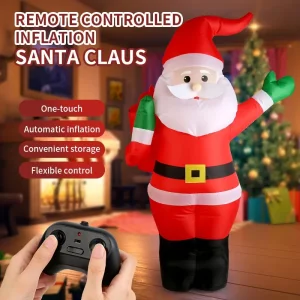
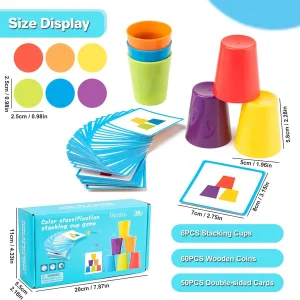
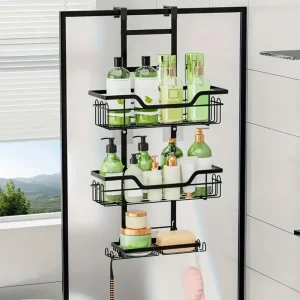
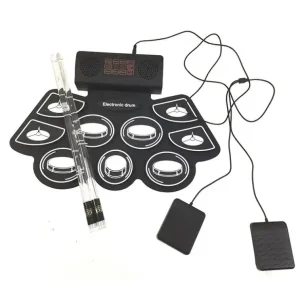
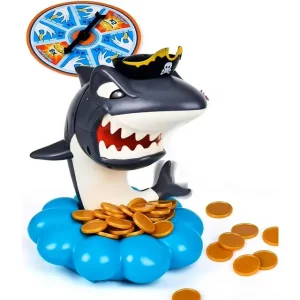
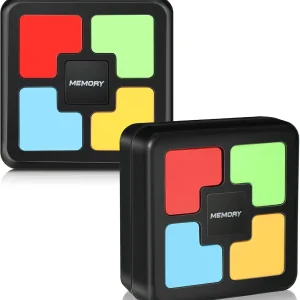
We started as a small toy export company with just two people, operating from an office of less than 20 square meters and struggling with limited cash flow. Yet, through keen market insights, distinctive business strategies, and patient communication with our clients, we gradually earned recognition and trust. We understood early on that clients are not only looking for products, but also for partners who can truly solve problems and create value. With every collaboration, we strived to provide practical solutions and dedicated service, winning customer appreciation while accumulating valuable experience and building stronger relationships.
Over time, as our reputation grew and our expertise deepened, Ducky evolved from a small trading company into a full-category procurement service provider for global B2B clients. Today, we possess extensive industry experience and a wide supply chain network, enabling us to offer comprehensive procurement services covering toys, household goods, and a wide range of other products. We remain committed to our founding principle: to listen attentively to client needs and deliver efficient, professional, and flexible procurement solutions.

We are committed to offering our clients the highest-quality products and services at competitive prices. We strive to become a leader in the industry, delivering excellence to our customers. Our execution model centers around three core pillars:
We have an office in Chenghai, Shantou—a dynamic hub of the toy and gift industry. Chenghai produces approximately 80% of the world's toys. We collaborate closely with local manufacturers to create toys that meet international safety standards, ensuring every product is both safe and creative. Throughout production, we pay attention to every detail, maintaining strict quality control so that each toy provides satisfaction and value to our customers.
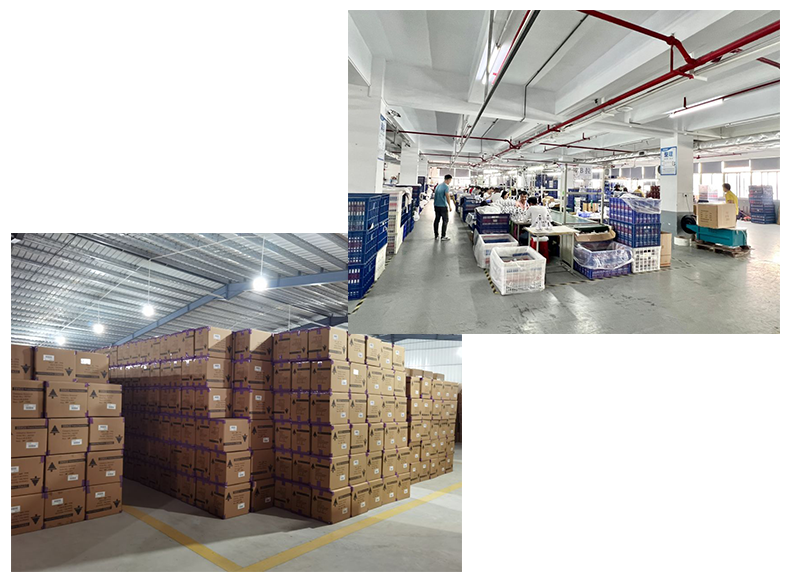
We feature a dedicated professional logistics team to ensure that every product is delivered safely and efficiently. From procurement to transportation, we oversee every step of the process, working with reliable logistics companies to guarantee on-time delivery and uncompromised quality.
Analyzing licensing trends, consumer demand shifts, and wholesale challenges for IP-branded character plushies.
The global character plush toy market has experienced an unprecedented resurgence, driven by multi-generational consumer loyalty, kidult trends, and high emotional connection values. Among character intellectual properties, Sanrio's Hello Kitty represents a peak demand category. For retail chains, global e-commerce brand owners, and theme park operators, finding reliable, licensed-capable OEM Hello Kitty stuffed animal suppliers and factories is critical for sustained profitability.
Managing an OEM project involving global IP assets like Hello Kitty is fundamentally different from generic toy production. It demands exceptional design fidelity (exact facial ratios, eye placement, and bow scale dimensions), specific fabric textures, and compliance with licensing authorities' strict manufacturing and factory code-of-conduct audits (such as Sanrio’s own compliance checks).
To achieve "information gain" in B2B sourcing, businesses must look beyond simple unit pricing. They need factories that offer high material versatility—from standard crystal super-soft velvet to eco-friendly Recycled Polyethylene Terephthalate (RPET) fabrics—supported by agile prototyping capabilities to keep pace with fast-changing regional product trends.
How localized industrial clusters drive speed-to-market, raw material optimization, and cost efficiencies.
Within Shantou Chenghai, thousands of raw material providers supply everything from micro-fiber plush fabric and hypoallergenic PP cotton filling to specialized dyes, custom threads, and high-precision plastic eyes and components. This micro-geographic density eliminates regional transit lag and reduces raw material lead times to hours.
Our localized engineers translate 2D vector concepts into complex 3D sewing patterns in days rather than weeks. Using computer-aided nesting (CAN) software and digital cutting machines, we compress design validation times, offering rapid proof-of-concepts crucial for securing regional retail approvals.
By leveraging dynamic production capacity across local factories, Chenghai can absorb massive seasonal orders. Under strict QC protocols, factories coordinate cutting, embroidery, sewing, stuffing, and packaging across highly specialized facilities to deliver high volume in tight timeframes.
From CAD sewing pattern design to laser fabric cutting and automated needle detection.
Our design team creates 3D CAD meshes based on licensing art guides. Nesting software designs the pattern panels to optimize fabric usage, keeping waste below 5% and reducing production costs.
Embroidered features are processed using multi-head Tajima embroidery systems. This ensures high stitch-count density (exceeding 1200 stitches per square inch) for a clean, premium, pill-free finish.
High-precision laser cutting tables cut the plush panels. Laser cutting melts the fabric edges slightly to prevent fraying during sewing and ensure clean joints, a key requirement for long-term durability.
Skilled operators handle the sewing stages, using strong overlock seams. High-pressure blowing machines stuff the shells with virgin, hypoallergenic 3D conjugate hollow siliconized PP cotton for lasting shape retention.
Every plush item passes through a high-sensitivity conveyor metal detector (detecting ferrous particles down to 0.8mm) to ensure safety. Toys are then dust-vacuumed, tagged, and packed in heavy-duty cardboard boxes.
Meeting strict international regulations for consumer safety, chemical residue limits, and packaging standards.
Requires total lead content below 100ppm and phthalates below 1000ppm. Features strict tensile tests on small plastic parts like eyes to prevent choking hazards.
Focuses on migration of 19 toxic heavy elements, flame retardancy parameters, and mechanical properties. Products must display the CE/UKCA marking clearly.
Administered by the Japan Toy Association, this standard sets strict limits on formaldehyde residues and heavy metals in toys designed for children under 36 months.
Factories manufacturing licensed IP must pass third-party audits, including BSCI, SMETA (Sedex Members Ethical Trade Audit), and Disney FAMA/Sanrio authorizations.
Essential sourcing, logistics, licensing, and customization questions answered by our experts.
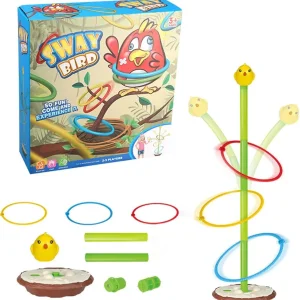
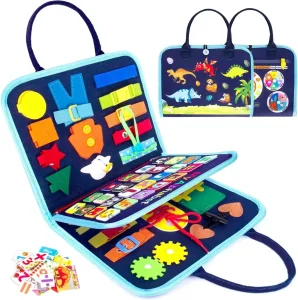
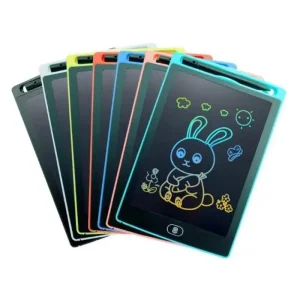
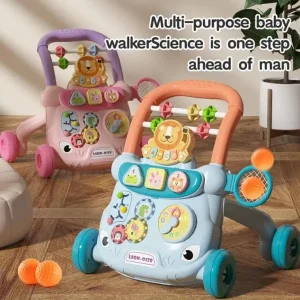
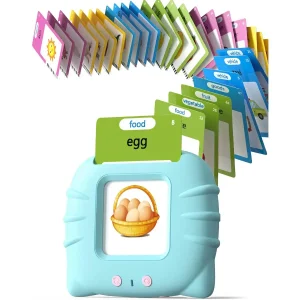
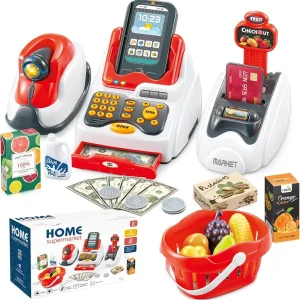
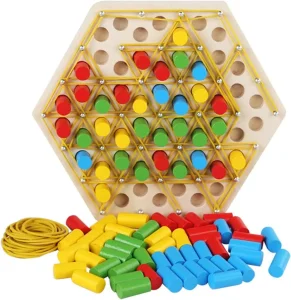
Complementary high-demand toys and lifestyle products from our Shantou supply network.
 Ducky Sourcing