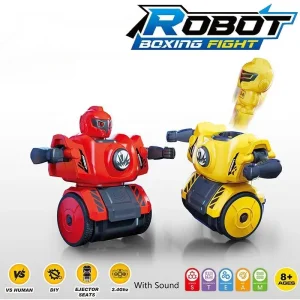
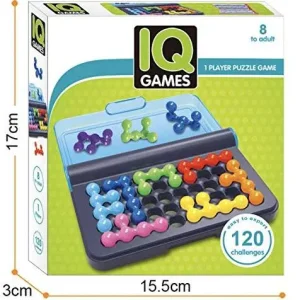
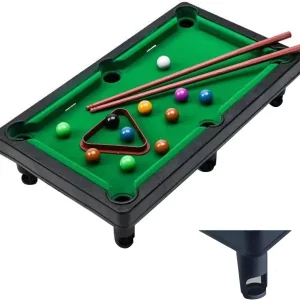
Explore our highly requested commercial offerings and client portfolio across diverse consumer goods sectors.
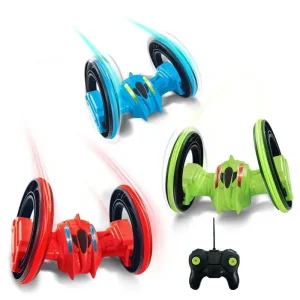
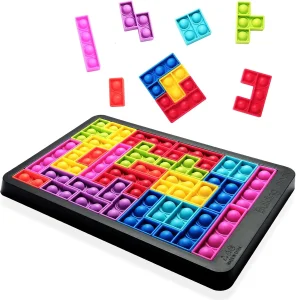
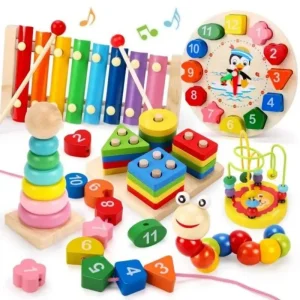
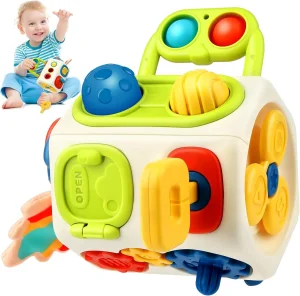
The global consumer textile market is experiencing a profound paradigm shift. The conventional throw blanket—historically viewed as a basic domestic product relied upon solely for passive insulation—has evolved into a sophisticated, active heating appliance. Today's OEM heated throw blankets combine cellular textile technology with highly advanced micro-electronics. This transformation is driven by shifting consumer values: the demand for personalized micro-climates, energy-saving zonal heating, and integrated smart-home wellness ecosystems.
From a technological standpoint, the evolution of heating wires is a testament to this progress. Early electric blankets utilized thick, rigid copper-alloy wiring prone to localized hot spots, mechanical stress failures, and electromagnetic interference. Modern manufacturing utilizes ultra-thin, flexible carbon fiber composite or specialized Positive Temperature Coefficient (PTC) and Negative Temperature Coefficient (NTC) dual-component alloy wires. These elements are designed to bend tens of thousands of times without fatigue, providing consistent thermal dispersion and real-time electronic safety monitoring directly integrated within the textile matrix.
Furthermore, aesthetic design integration has reached parity with high fashion. Leading B2B buyers look for products that feature premium material blends—such as dense flannel, plush sherpa, and high-pile faux fur—which boast high Grams per Square Meter (GSM) weights while neatly concealing the internal electronic architecture. This ensures that the product feels exactly like a luxury, high-end blanket when powered off, yet delivers highly controllable, rapid warmth when activated.
Understanding the purchasing priorities of international retailers, hospitality networks, and electronic appliance brands.
Global enterprise buyers must navigate complex safety certification matrices. Meeting standards such as UL 964 (North America), ETL, CE, RoHS, UKCA, and GS (Europe) is a prerequisite. Sourcing teams prioritize OEM factories that offer comprehensive test documentation and carry ISO 9001 and BSCI credentials to protect their brands from liability and recall risks.
The consumer IoT wave has reached the bedding sector. Progressive importers search for heated blankets that integrate with smart ecosystems (Tuya, Alexa, Google Assistant). Sourcing engineers now demand Wi-Fi and Bluetooth-connected control modules, allowing users to preheat throws via smartphone applications or voice commands.
Differentiation is key to avoiding price compression in e-commerce and retail. Enterprise buyers require factories that support customized fabric blends, complex quilting patterns, unique colorways, and eco-friendly organic textiles certified by OEKO-TEX Standard 100 or Global Recycled Standard (GRS).
China remains the absolute center of gravity for the manufacturing of heated home textiles. The country's unmatched supply chain integration allows factories to orchestrate everything from raw polymer synthesis (for polyester and nylon fibers) and textile weaving to high-precision micro-electronic PCB design and final product assembly. This concentration of raw material accessibility, technology development, and skilled labor is what enables unprecedented levels of production velocity and cost efficiency.
Modern Chinese factories producing heated blankets have evolved into highly digitized Industry 4.0 manufacturing nodes. By utilizing advanced automated cutting tables, ultrasonic quilting machines, and computerized wire-routing rigs, these facilities achieve a degree of assembly consistency that manual methods cannot match. Wire routing—the critical process of sewing the heating wire in a uniform, serpentine path between the textile layers—is controlled by automated CNC machinery. This guarantees precise spacing to prevent overlapping or high-resistance points, dramatically reducing potential points of failure and thermal irregularities.
Furthermore, Chinese factory clusters are highly resilient against global shipping and raw material shocks. Vertical integration means that a typical top-tier OEM heated throw factory has direct partnerships with local copper wire extrusion shops, PCB assembly lines, and plastic injection molding facilities for controller housings. This close physical proximity ensures rapid prototyping iterations and drastically compresses lead times for peak-season Q3 and Q4 orders. As global shipping dynamics change, having a supplier backed by a robust and highly communicative local industrial cluster guarantees delivery reliability and mitigates supply chain risks.
UL/CE/RoHS Certifications
Global Brand Partners
Strict QC Return Rate
Automated Production Lines
When selecting a factory partner, sourcing directors must understand the technical specifications that separate basic retail models from institutional-grade, durable heated throws. Below is a breakdown of the critical components and safety architectures integrated into premium B2B products.
Standard electric blankets rely on bimetallic thermostats to shut off the power when overheating is detected. This method is slow to respond and prone to mechanical fatigue. High-end OEM heated throw blankets feature a coaxial dual-wire system utilizing PTC (Positive Temperature Coefficient) and NTC (Negative Temperature Coefficient) technologies. The inner PTC layer acts as a self-limiting heater: if the temperature rises, its electrical resistance naturally increases, automatically reducing the current flow. Surrounding this is the NTC sensor layer, which constantly monitors the temperature profile across the entire length of the wire. If any single spot folds or experiences localized pressure—causing temperature spikes—the controller instantly registers the drop in resistance and shuts down power in milliseconds, avoiding thermal incidents.
Importers must pay close attention to fabric GSM and structural bonding techniques. A premium heated throw blanket generally utilizes a multi-layer composition:
A heated throw blanket is a high-contact lifestyle product. As such, it must withstand routine washing. Smart OEM factories design their connection points with proprietary waterproof plug housings. The control unit can be completely detached, allowing the fabric component of the blanket to be fully machine-washed and tumble-dried without damaging the heating elements. The controllers themselves utilize robust microcontrollers with built-in auto-off timers (ranging from 1 to 10 hours), overheat protection circuits (OHP), and multi-step heat adjustment (typically 3 to 10 distinct levels).
We started as a small toy export company with just two persons, operating from an office of less than 20 square meters and struggling with limited cash flow. Yet, through keen market insights, distinctive business strategies, and patient communication with our clients, we gradually earned recognition and trust.
We understood early on that clients are not only looking for products, but also for partners who can truly solve problems and create value. With every collaboration, we strived to provide practical solutions and dedicated service, winning customer appreciation while accumulating valuable experience and building stronger relationships.
Over time, as our reputation grew and our expertise deepened, Ducky evolved from a small trading company into a full-category procurement service provider for global B2B clients. Today, we possess extensive industry experience and a wide supply chain network, enabling us to offer comprehensive procurement services covering toys, household goods, and a wide range of other products. We remain committed to our founding principle: to listen attentively to client needs and deliver efficient, professional, and flexible procurement solutions. In today's increasingly competitive global market, we are more than just a supplier—we are a trusted long-term partner to our clients.

We are committed to offering our clients the highest-quality products and services at competitive prices. We strive to become a leader in the industry, delivering excellence to our customers.
We aim to provide the best experience for our clients, from the initial order to final delivery and beyond. Our workflows guarantee that your product specifications are strictly met without delay.
We dedicate ourselves to delivering exceptional customer service and exceeding our clients' expectations. Our communication pipelines are operational 24/7 to solve custom requirements.
We endeavor to offer outstanding value while ensuring that our products are delivered with quality and sustainability in mind, meeting modern green textile and circular economy objectives.
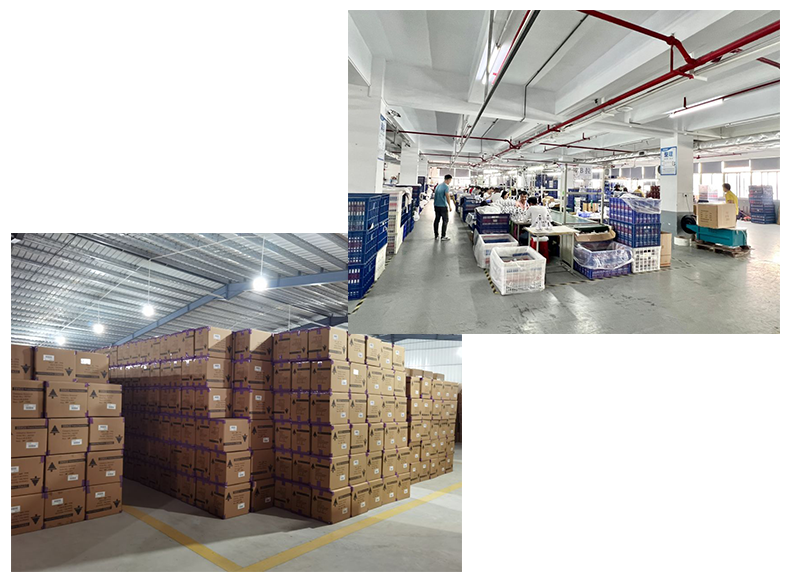
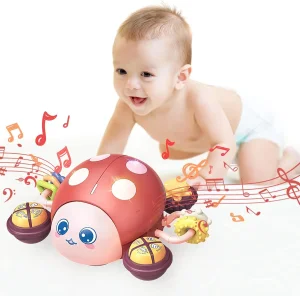
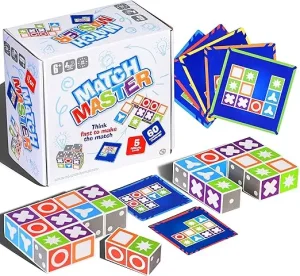
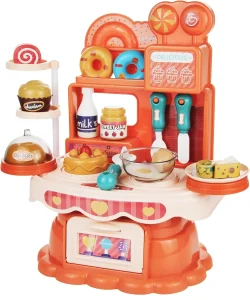
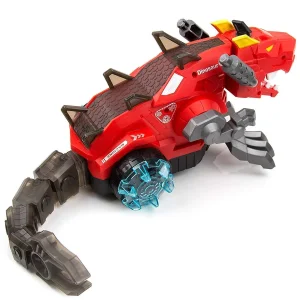
We have an office in Chenghai, Shantou—a dynamic hub of the toy and gift industry. Chenghai produces approximately 80% of the world’s toys. We collaborate closely with local manufacturers to create toys that meet international safety standards, ensuring every product is both safe and creative.
Throughout production, we pay attention to every detail, maintaining strict quality control so that each toy provides satisfaction and value to our customers.
We also have a professional logistics team to ensure that every product is delivered safely and efficiently. From procurement to transportation, we oversee every step of the process, working with reliable logistics companies to guarantee on-time delivery and uncompromised quality.
To avoid massive recall events and customer complaints, our QC engineering teams execute a strict, multi-phase inspection protocol on all OEM heated blankets before shipment. If you are importing from any factory, ensure the following testing measures are in place:
Essential insights for professional buyers, category managers, and supply chain directors.
Further consumer goods and custom-manufactured solutions available through our global sourcing team.
 Ducky Sourcing