


Choosing the right wood species is not merely an aesthetic choice; it dictates food safety, durability, blade retention, and dimensional stability under high-humidity environments.
The Janka hardness test measures the resistance of a sample of wood to denting and wear. For cutting boards, the optimal range lies between 900 and 1,500 lbf (pounds-force). Timbers within this range provide enough resistance to prevent deep, hard-to-clean knife scars, yet are soft enough to preserve the sharpness of high-end steel blades.
Timbers that are too hard (e.g., Bamboo at 1650+ lbf, or exotic Ipe at 3600+ lbf) will quickly dull knives. Conversely, timbers that are too soft (such as Pine or Cedar at < 600 lbf) scar deeply and absorb liquid, creating breeding grounds for bacteria.
Wood anatomy heavily influences sanitary compliance. Hardwoods are classified into diffuse-porous (e.g., Hard Maple, Walnut) and ring-porous (e.g., Red Oak) structures. Diffuse-porous species have small, evenly dispersed microscopic pores that prevent liquids from penetrating deeply into the wood fibers.
Additionally, species with high concentrations of tyloses—balloon-like outgrowths that block the lumen of vessels—act as natural barriers. This makes woods like Maple and Cherry highly hygienic, whereas Red Oak is highly porous and inappropriate for direct food contact.
| Timber Species | Janka Hardness (lbf) | Pore Structure | Dimensional Stability | Ideal Application |
|---|---|---|---|---|
| Hard Maple (Acer saccharum) | 1,450 | Closed / Diffuse-Porous | Excellent | Heavy-duty commercial & household prep boards |
| Black Walnut (Juglans nigra) | 1,010 | Semi-Ring Porous | Very High | High-end presentation blocks & carving boards |
| American Cherry (Prunus serotina) | 950 | Closed / Diffuse-Porous | High | Gourmet domestic boards, moderate cutting |
| Acacia (Acacia mangium) | 1,100 - 1,750 | Diffuse-Porous | Moderate (Depends on Kilning) | Mass-market rustic serving platters & boards |
| Rubberwood (Hevea brasiliensis) | 960 | Medium Diffuse-Porous | Moderate | Eco-friendly budget-friendly prep blocks |
How global OEM factories construct cutting boards to withstand mechanical stress, thermal shocks, and moisture fluctuations.
Formed by gluing parallel strips of hardwood side-by-side. The knife cuts across the longitudinal wood grains. It offers a balanced compromise between manufacturing complexity and structural durability. It is the most common B2B OEM standard due to cost-efficiency and reliable mechanical stability.
Engineered by arranging wood blocks vertically so that the cut ends of the timber face upward. The knife blade slides between the vertical wood fibers, which part and then naturally close (self-healing). This preserves both the board's aesthetic and the blade's edge. Production is resource-intensive, commanding premium market value.
Utilizes the wide, flat surface of the wood plank, showcasing rich grain patterns. While highly aesthetic, face-grain boards show knife marks rapidly and are susceptible to warping when exposed to moisture. Typically reserved for light serving trays or charcuterie boards.
Before assembly, the timber must undergo rigorous kiln drying to reduce and stabilize its Moisture Content (MC). Raw logs typically hold 50%+ moisture. OEM factories utilize advanced dehumidification and vacuum kilns to bring this down to 6% to 9%.
Failure to achieve this specific moisture range leads to rapid warping, checking (splitting at the ends), or joint failure when the product is shipped across different climate zones globally.
Since cutting boards are composed of multiple laminated timber strips, the choice of adhesive is a critical point for safety compliance. High-performance factories use FDA-compliant, Type II or Type III water-resistant PVA (Polyvinyl Acetate) adhesives.
These adhesives must resist constant washing and food acids without breaking down or releasing toxic chemical compounds. Regular laboratory checks (like LFGB in Europe or FDA in North America) verify that there is zero chemical migration from the glue lines into food products.
Understanding market demands, green logistics, and regulatory compliance within the premium housewares sector.

The global timber kitchenware market is undergoing a structural shift driven by consumer environmental awareness. Regulatory frameworks like the EU Timber Regulation (EUTR) and the Lacey Act in the United States hold importers accountable for the legality of their timber supply chains.
FSC (Forest Stewardship Council) certification has evolved from a premium marketing feature to a baseline industry requirement. B2B buyers now prioritize manufacturers that can provide full Chain of Custody (CoC) documentation, tracing timber back to responsibly managed forests.
Simultaneously, alternative plantation timbers, such as fast-growing Acacia and Rubberwood (recycled from rubber latex production), are capturing market share from traditional European and North American hardwoods due to lower carbon footprints and favorable pricing structures.
Modern factories are upgrading from simple manually-operated saws to automated production lines. Integrated setups feature:
Anticipated developments in the commercial cutting board space highlight:
Leveraging deep supply chain integration and professional logistics to bridge heavy industrial production with precise client requirements.
We started as a small toy export company with just two people, operating from an office of less than 20 square meters and struggling with limited cash flow. Yet, through keen market insights, distinctive business strategies, and patient communication with our clients, we gradually earned recognition and trust.
We understood early on that clients are not only looking for products, but also for partners who can truly solve problems and create value. With every collaboration, we strived to provide practical solutions and dedicated service, winning customer appreciation while accumulating valuable experience and building stronger relationships.
Over time, as our reputation grew and our expertise deepened, Ducky evolved from a small trading company into a full-category procurement service provider for global B2B clients. Today, we possess extensive industry experience and a wide supply chain network, enabling us to offer comprehensive procurement services covering toys, household goods, and a wide range of other products.
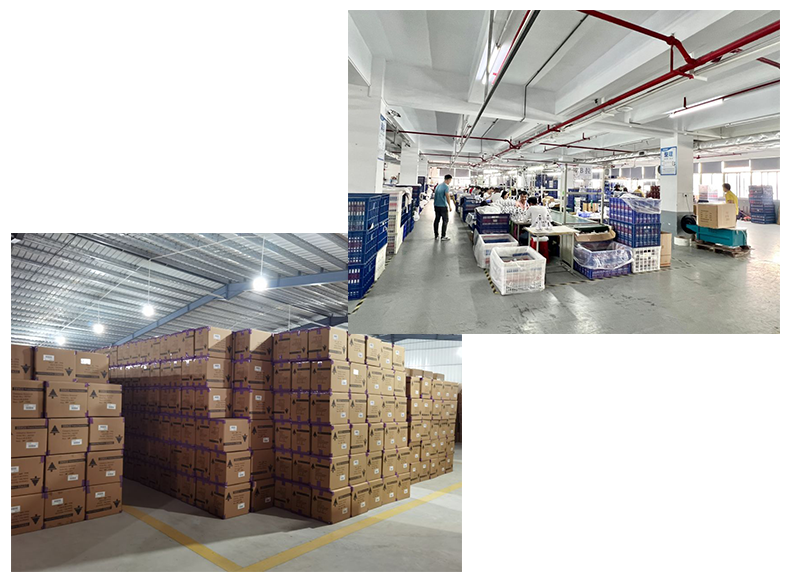
We are committed to offering our clients the highest-quality products and services at competitive prices. We strive to become a leader in the industry, delivering excellence to our customers.
We have an office in Chenghai, Shantou—a dynamic hub of the toy and gift industry. Chenghai produces approximately 80% of the world’s toys. We collaborate closely with local manufacturers to create toys that meet international safety standards, ensuring every product is both safe and creative.
Throughout production, we pay attention to every detail, maintaining strict quality control so that each product provides satisfaction and value to our customers.
We also have a professional logistics team to ensure that every product is delivered safely and efficiently. From procurement to transportation, we oversee every step of the process, working with reliable logistics companies to guarantee on-time delivery and uncompromised quality.
Tailoring wood processing and design parameters to match specific regional user preferences and commercial contexts.
Professional kitchens demand thick, heavy-duty blocks that resist sliding during rapid prep. For these clients, factories construct end-grain Maple or Beech blocks with a minimum thickness of 2.5 inches (63mm).
These units often feature routed handles for easy lifting and deep juice grooves to manage run-off. They are designed to withstand frequent sanitation protocols while preserving the edges of professional-grade chef knives.
Residential consumer lines focus on visual style, weight optimization, and ease of storage. Here, edge-grain Acacia and Black Walnut boards are highly popular. They are lighter (typically 0.75 inches thick) and highlight contrast in wood grains.
B2B custom orders in this segment frequently request laser-engraved branding, custom hang-tags, and moisture-sealed shrink-wrap packaging to ensure retail shelf-readiness.
Importers in the United States and Canada must strictly observe FDA requirements for food-contact substances. The preferred species are Hard Maple and Walnut. Sourcing requires documentation proving compliance with the Lacey Act, ensuring that harvested logs do not violate environmental protection laws in their country of origin.
European distributors prioritize FSC-certified European Beech, White Oak, and high-quality Acacia. Regulatory compliance requires passing LFGB (Lebensmittel- und Futtermittelgesetzbuch) testing, which sets strict limits on chemical migration from wood glues and conditioning oils. Minimalist, thin, hanging-loop designs are favored for storage efficiency in European kitchens.
Detailed technical answers to common questions asked by B2B quality control managers and importers.






 Ducky Sourcing