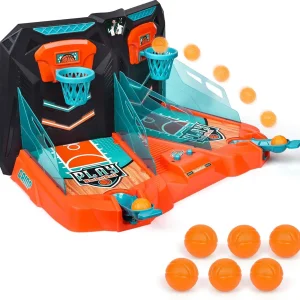
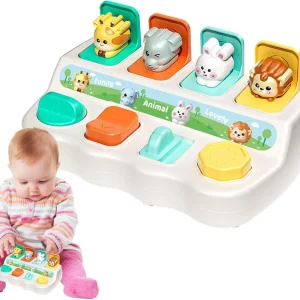
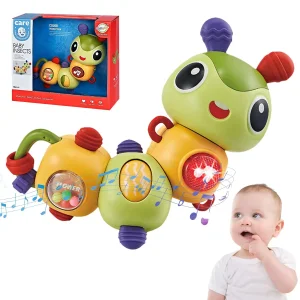
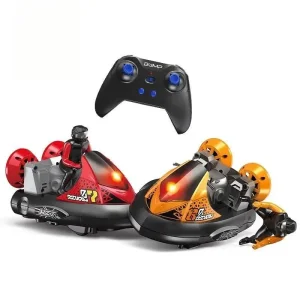
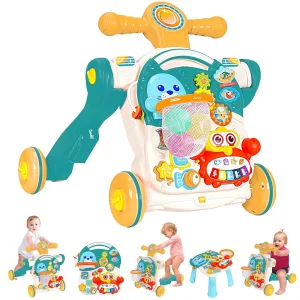
Leveraging our high-precision production ecosystem, Ducky coordinates global export operations across multiple specialized consumer divisions.
In the modern FMCG, hospitality, and home organization landscapes, the demand for durable, non-toxic, and reusable food preservation systems has surged. As a prominent OEM Glass Storage Containers Manufacturers & Factory network, we recognize that global enterprises are moving rapidly away from single-use plastics. Consumers are demanding long-term safety, leading to a massive integration of high-grade borosilicate glass into domestic and industrial kitchens alike.
This whitepaper analyzes the manufacturing methodologies, supply chain requirements, design innovations, and compliance standards governing premium glass container production. By providing comprehensive structural transparency, we guide procurement directors, brand owners, and logistics professionals in selecting high-performing manufacturing partners to secure maximum market share and absolute reliability.
The trajectory of the housewares market shows an undeniable shift towards ecological consciousness and material inertness. The choice of material defines not only the longevity of the vessel but also the brand's reputation for food safety. The main battleground in today's OEM ecosystem is between Soda-Lime Glass and High-Borosilicate Glass.
| Property Parameter | High-Borosilicate Glass (3.3 Expansion) | Standard Soda-Lime Glass | Tempered Safety Glass |
|---|---|---|---|
| Thermal Shock Resistance | Up to 120°C to 150°C Delta | Up to 40°C to 50°C Delta | Up to 100°C Delta |
| Chemical Inertness | Hydrolytic Class I (Extremely High) | Hydrolytic Class III (Moderate) | Hydrolytic Class III (Moderate) |
| Oven/Microwave Compatibility | Highly Compatible (Safe up to 400°C) | Not Recommended (Risk of fracture) | Limited (Strict thermal control needed) |
| Fragmentation Pattern | Breaks into large, manageable pieces | Fractures into sharp shards | Crumbles into small blunt fragments |
Borosilicate glass utilizes boron trioxide to achieve a exceptionally low coefficient of thermal expansion ($3.3 \times 10^{-6}\text{ K}^{-1}$). This property guarantees that containers can transition directly from deep-freeze conditions ($-20^\circ\text{C}$) to preheated convection ovens ($220^\circ\text{C}$) without catastrophic structural failure. As global supply chain protocols become increasingly strict, utilizing certified borosilicate is critical for risk reduction.
B2B buyers, purchasing agents, and private label brands struggle with several operational risks when dealing with glass container manufacturers. Addressing these factors determines long-term profitability:
Airtight glass lunch boxes rely on perfect interfaces between the glass rim and the lid. Deviations greater than 0.5mm will cause seal failure, leading to leakage complaints and negative consumer feedback.
Contaminated raw materials can introduce lead, cadmium, or arsenic into glass structures. Advanced OEM operations enforce stringent raw material testing to ensure zero contamination levels.
Improper annealing leads to internal micro-stresses. These microscopic stress points cause spontaneous shattering during ocean transport or retail handling, resulting in heavy losses.
To capture attention in saturated retail markets, brand owners require highly custom structures. A professional glass storage container factory must provide versatile, end-to-end design modifications:
The lid is the primary point of contact for the consumer. We offer diverse choices to match targeted brand aesthetics:
Integrating corporate identity seamlessly onto structural components is achieved through various printing techniques:
Our corporate journey represents a dedication to supply chain excellence and adaptation. We started as a small toy export company with just two person, operating from an office of less than 20 square meters and struggling with limited cash flow. Yet, through keen market insights, distinctive business strategies, and patient communication with our clients, we gradually earned global recognition and trust. We understood early on that B2B clients are not only looking for products, but also for strategic partners who can solve complex problems and create long-term value.
Over time, as our reputation grew and our expertise deepened, Ducky evolved from a small trading company into a full-category procurement service provider for global B2B clients. Today, we possess extensive industry experience and a wide supply chain network, enabling us to offer comprehensive procurement services covering toys, high-grade household goods, and custom glass storage containers.
Our Mission: We are committed to offering our clients the highest-quality products and services at competitive prices. We strive to become a leader in the industry, delivering excellence to our customers:

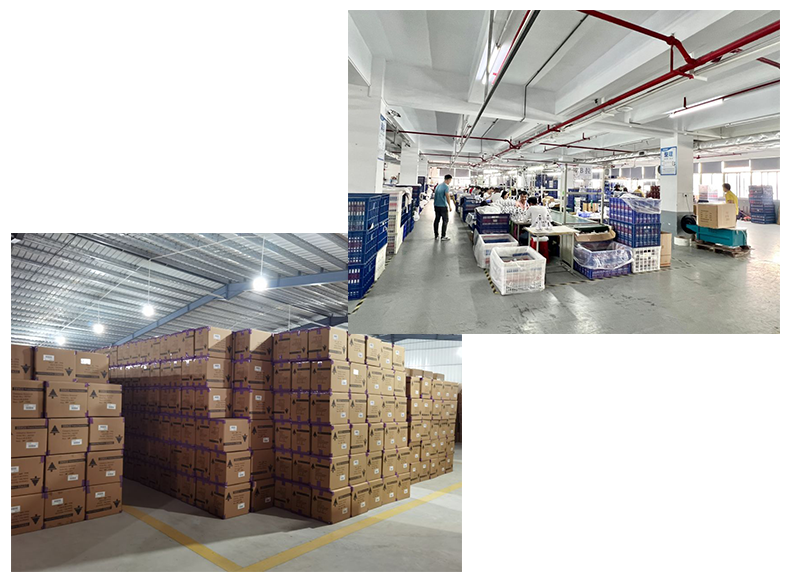
We maintain a dedicated office in Chenghai, Shantou—a dynamic hub of the toy and gift industry. Chenghai produces approximately 80% of the world’s toys. We collaborate closely with local manufacturers to design and produce goods that meet international safety standards, ensuring every product is both safe and creative.
Leveraging the strict regulatory frameworks developed from our toy division, we apply the same rigorous QA benchmarks to our houseware and glass container manufacturing network. Throughout production, we pay attention to every detail, maintaining strict quality control so that each container provides satisfaction and value to our customers.
Furthermore, we operate a professional logistics team to ensure that every product is delivered safely and efficiently. From raw procurement to global transportation, we oversee every step of the process, working with reliable logistics companies to guarantee on-time delivery and uncompromised quality, protecting fragile glass shipments from factory floor to target destination.
Exporting food-contact materials requires absolute compliance with national legislation. Non-compliance can lead to severe fines and cargo confiscation at custom borders. Our partner factories strictly adhere to global standards:
The future of glass food storage is driven by engineering innovations aimed at reducing environmental impact without compromising safety. Our factory's R&D department is currently deploying two major technologies:
Thin-Wall Pressing Technology: Historically, borosilicate containers were heavy, which increased transport carbon emissions. By utilizing high-pressure precision molds, we can decrease glass wall thickness by 15% while retaining equivalent impact and pressure resistance.
Smart Vacuum-Seal Lids: Integrating mechanical indicator valves that confirm airtight integrity, allowing domestic users to extend fresh food shelf-life by up to three times through vacuum generation.
For standard geometric shapes (rounds and rectangles) utilizing existing molds, the MOQ starts at 3,000 units. For fully customized sizes requiring private mold tooling, the MOQ is 10,000 units, which covers the engineering overhead of new industrial mold setups.
Every production batch undergoes randomized laboratory testing where containers are heated to 120°C and immediately plunged into cold water at 20°C. If any fracture occurs, the entire batch is rejected and sent back to the melting kiln.
The high-borosilicate glass bodies are fully dishwasher, microwave, and oven safe up to 400°C. Lids made from plastics (PP, Tritan) or silicone seals are dishwasher-safe on top racks but should not be heated in ovens. Bamboo and wood lids must be hand-washed and dried immediately to prevent mold formation.
We employ professional packing patterns. Each container is separated by drop-tested corrugated dividers or molded pulp trays. Master cartons are palletized, stretch-wrapped, and loaded using moisture-absorbing silica packets to eliminate humidity stress during long shipping journeys.
Yes. We regularly supply detailed testing certificates generated by third-party laboratories (SGS, TUV, Intertek) verifying compliance with regional chemical migration limits for all food-contact surfaces.
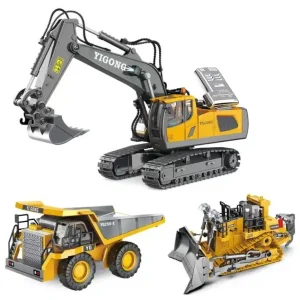
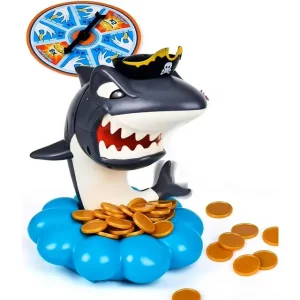
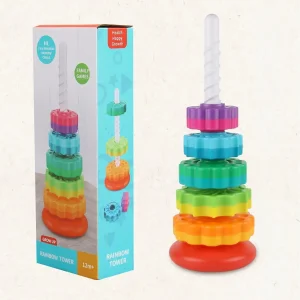
Discover more of our diverse commercial product offerings designed to fulfill large-scale retail distribution chains.
 Ducky Sourcing