An expert analysis of material innovations, consumer intent shifts, and high-capacity manufacturing structures for institutional, retail, and commercial supply lines.
Modern enterprise requirements have transitioned from single-season disposable plastics to highly resilient polymer composites, heavy-gauge non-woven textiles, and washable PP board cores. Heavy-load testing (up to 25kg) and cyclic testing of seams and handles are now standard B2B procurement prerequisites.
As urban real estate metrics constrict globally, modular layout compatibility becomes the primary user intent signal. Storage box sizes must optimize standard European and North American closet dimensions, under-bed gaps, and standard modular shelving units (such as Ikea Kallax configurations).
Global supply chains must align with zero-emission packaging regulations. Leading B2B retailers demand GRS-certified (Global Recycled Standard) materials, OEKO-TEX certified fabrics, and BSCI audit-compliant manufacturing operations that guarantee zero toxic VOC outgassing.
The global storage organizer sector is shifting rapidly toward technological integration and ecological responsibility. Driven by hyper-localized urban planning and micro-apartment movements across Tokyo, London, Paris, and New York, consumers demand systemized organization systems that double as interior design highlights.
Historically, storage boxes were designed as hidden, structural utilities. Modern consumer psychology values visible aesthetics—introducing linen-blend finishes, neutral earth tones, leather-pull handles, and magnetic flap covers. Furthermore, the convergence of IoT smart home technology has catalyzed the development of RFID-tagged or QR-coded smart boxes, enabling users to scan label codes and view content databases directly on mobile devices without unstacking units.

A detailed comparison of structural textiles, support cores, and target performance metrics designed for procurement managers and quality engineers.
| Material Core Type | Common Density / Weight | Structural Load Rating | Moisture & Mold Resistance | Washability & Cycle Performance | Best Target Application |
|---|---|---|---|---|---|
| Non-Woven Fabric (Polypropylene) | 80 GSM - 120 GSM | 5 - 10 kg | Moderate (Requires dry environments) | Non-washable (Wipe clean only) | High-volume retail promotions, light seasonal clothes organizing |
| Oxford Cloth (Polyester / Nylon) | 300D - 600D / 1680D | 15 - 25 kg | High (When treated with PU coating) | Hand-washable / Extremely durable | Premium wardrobe organizers, heavy bed sheets, heavy-duty usage |
| Linen-Cotton Blends | 200 GSM - 350 GSM | 10 - 15 kg | Moderate (High breathability) | Dry clean / Gentle wipe | High-end minimalist home decor, open shelving units, walk-in closets |
| PP Hollow Board (Support Core) | 2.0mm - 3.5mm thickness | Up to 30 kg compression load | 100% Waterproof / Anti-mold | Fully submergible & washable | Premium washable fabric box collections, damp basement storage |
| Grey Cardboard (Support Core) | 800g - 1200g weight class | Up to 15 kg compression load | Low (Swells / Warps in damp air) | Non-washable (Degrades in water) | Dry-climate home storage, economical promotional bulk shipments |
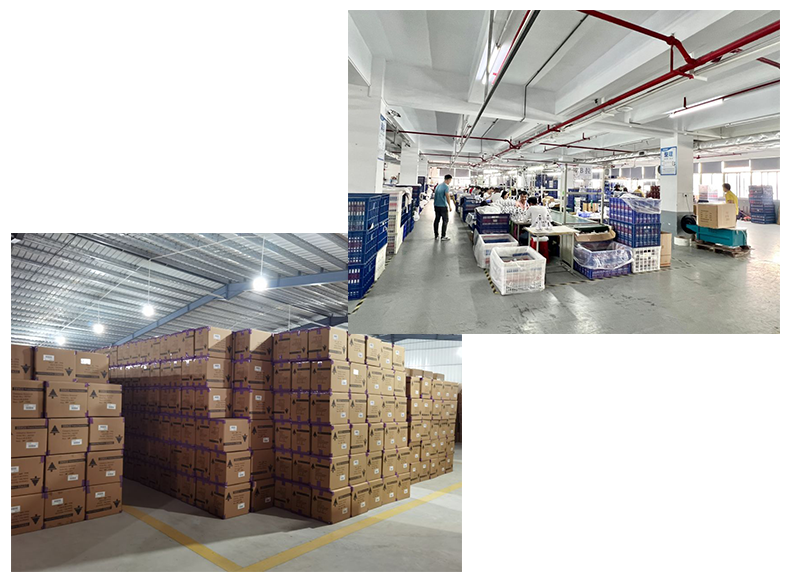
Manufacturing clothes storage boxes on an industrial scale requires a delicate balance of human assembly and mechanical precision. Leading Chinese manufacturing clusters, particularly those leveraging the raw supply chain density of Guangdong and Zhejiang, have implemented Factory 4.0 protocols. This integration connects material extrusion, fabric cutting, ultrasonic welding, computerized pattern stitching, and automated carton packing into a single continuous workflow loop.
By automating the high-speed laser cutting systems, factories achieve raw material utilization rates exceeding 95%, dramatically lowering unit costs for OEM customers. Simultaneously, automated stitchers execute precision reinforcement patterns (such as Box-X stitches on handles) with zero variance, ensuring pull-strength consistency. This mechanical standard of quality eliminates the failures commonly associated with pure manual labor lines.
Furthermore, local supply chain integration guarantees rapid sourcing of metal grommets, eco-friendly adhesive formulas, specialized zippers, and diverse packaging designs within a 50-kilometer radius. This proximity reduces procurement lead times, allowing factories to respond to massive bulk demand spikes within days rather than weeks.
Empirical parameters highlighting our network's production capacity, QA standards, and logistics velocity.
How Ducky applies rigorous child-safety inspection protocols, agile cross-industry supply chains, and absolute quality assurance to the household storage sector.
We started as a small toy export company with just two people, operating from an office of less than 20 square meters and struggling with limited cash flow. Yet, through keen market insights, distinctive business strategies, and patient communication with our clients, we gradually earned recognition and trust. We understood early on that clients are not only looking for products, but also for partners who can truly solve problems and create value. With every collaboration, we strived to provide practical solutions and dedicated service, winning customer appreciation while accumulating valuable experience and building stronger relationships.
Over time, as our reputation grew and our expertise deepened, Ducky evolved from a small trading company into a full-category procurement service provider for global B2B clients. Today, we possess extensive industry experience and a wide supply chain network, enabling us to offer comprehensive procurement services covering toys, household goods, and a wide range of other products, including OEM clothes storage boxes.
Our strategic office in Chenghai, Shantou—a dynamic hub producing approximately 80% of the world’s toys—has shaped our production culture. In the toy sector, tolerance for toxic compounds, structural failures, or sharp edges is zero. We have carried this uncompromising commitment to safety and quality control over to our home storage manufacturing plants. Every fabric batch undergoes rigorous heavy-metal and phthalate screening, and every structural joint is tested to comply with international consumer goods safety guidelines.
Additionally, our dedicated, professional logistics team coordinates every step of the supply chain. From material sourcing to container loading, we partner with top-tier global shipping lines to ensure reliable, cost-efficient, and on-time delivery across major ports worldwide.
Adapting structural features and aesthetics to fit regional distributions and distinct business models.
For online retailers, shipping weight and volume are critical profit margin factors. Our OEM storage boxes feature flat-pack designs that fit standard mail-order packaging requirements. This minimized footprint reduces domestic shipping surcharges and maximizes warehouse space efficiency.
Premium hotels, cruise lines, and luxury rental properties utilize fabric organizers to elevate closet aesthetics. For these commercial spaces, we supply high-density polyester and non-woven fabric boxes treated with flame-retardant chemistry and stain-resistant coatings, ensuring long-term durability under high-rotation use.
University student housing, healthcare facilities, and military housing environments require space-efficient storage systems. Heavy-duty non-woven canvas options with double-reinforced stitching stand up to rigorous handling, providing durable storage in tight spaces.
Actionable insights addressing compliance, materials, customization, logistics, and supply chain logistics for B2B buyers.
Our standard MOQ for OEM clothes storage boxes ranges from 1,000 to 3,000 units per style, depending on fabric specifications and color requirements. For stock colors and standard dimensions using non-woven fabrics, we can accommodate lower testing quantities to support initial market entries. High-end customized fabrics (such as organic cotton or specialized RPET) require higher minimums due to upstream textile mill run configurations.
We source odor-free, non-toxic materials. The common chemical smell associated with low-quality storage boxes comes from cheap industrial adhesives used to bond fabrics to inner paperboard supports. We use eco-friendly hot-melt adhesives that comply with REACH and RoHS standards. Furthermore, we use natural wood-pulp paperboards and odorless PP hollow boards that contain no formaldehyde or volatile organic compounds (VOCs).
Cardboard (greyboard) cores are highly cost-effective and provide structural rigidity for dry environments, but they cannot be washed and will warp or mildew if exposed to moisture. PP hollow board cores are completely waterproof, resistant to humidity, and allow the storage boxes to be fully washed. For premiums lines or damp environments, we strongly recommend using PP boards.
We use specialized mechanical testing rigs. Handles undergo tension pull testing, where a fully loaded box (loaded to 1.5 times its rated capacity) is suspended and subjected to cyclical drops. For zippers, we test structural integrity by pulling them open and closed 5,000 times under tension to ensure no teeth misalign or split.
Our manufacturing supply chain partners are certified to BSCI (Business Social Compliance Initiative), Sedex, and ISO 9001 standards. The materials we use can be certified under OEKO-TEX Standard 100 and GRS (Global Recycled Standard) upon customer request, ensuring seamless entry through customs and compliance with major retail standards in the EU and North America.
 Ducky Sourcing