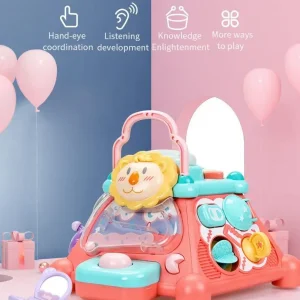
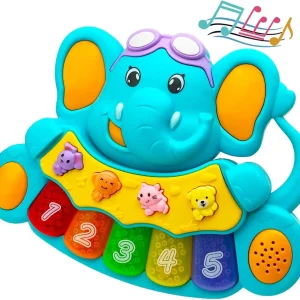
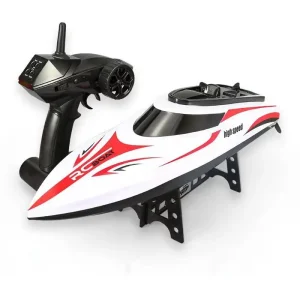
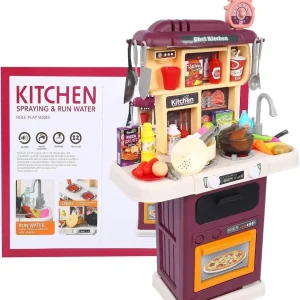
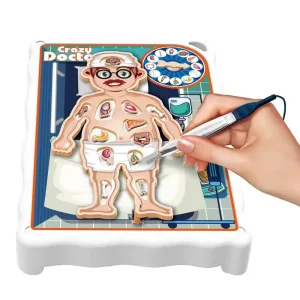
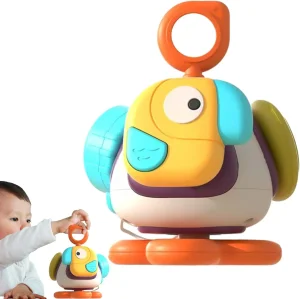
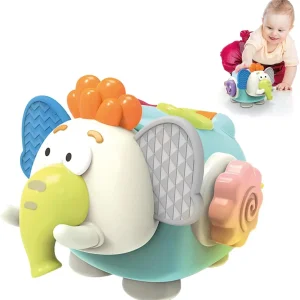
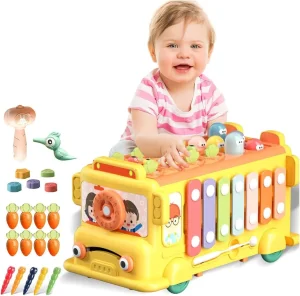
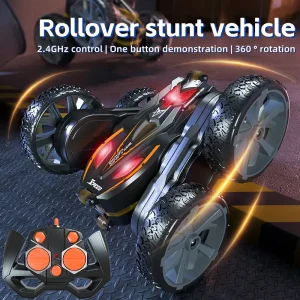
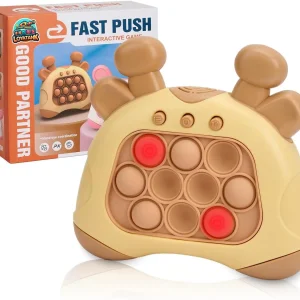
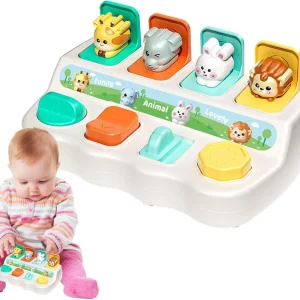
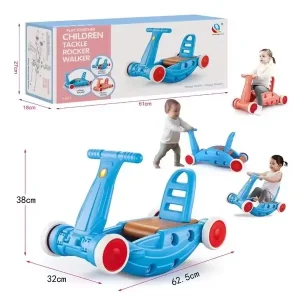
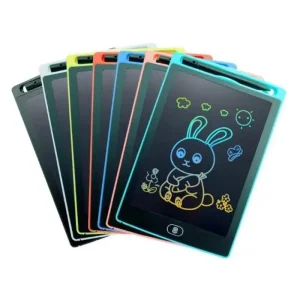
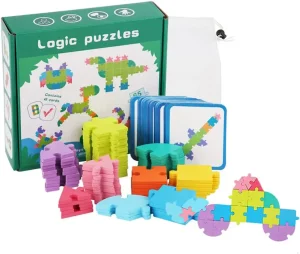
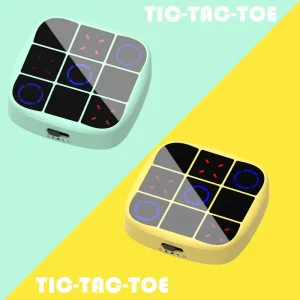
Explore our foundational range of educational, interactive, and spatial play products built to global compliance standards.
In the contemporary B2B landscape, the procurement of children’s toy storage units has shifted from simple container sourcing to an complex paradigm of safety engineering, spatial optimization, and sustainable material science. Brands, global retail networks, and educational institutions are no longer looking just for bins; they require integrated systems that comply with global non-toxicity, mechanical stability, and ergonomic standards. At Ducky, we leverage our deep roots in global trade to convert these challenges into high-efficiency commercial solutions.
Modern toy storage design must reflect developmental child psychology. Children's storage units serve as foundational tools for developing organizational skills and independence. The integration of open-front bins, modular storage layouts, and low-center-of-gravity furniture allows children to interact with their environment safely. As an OEM manufacturer and supplier, Ducky integrates these cognitive principles directly into structural plans, optimizing height profiles, corner radiuses, and drawer access forces.

Reinforced polymer frameworks and high-density timber cores engineered to resist sudden impact, heavy structural loading, and dynamic stress tests.
Utilization of BPA-free plastics, formaldehyde-compliant medium-density fiberboards (MDF), and lead-free organic wood finishes.
Modular, highly stackable designs engineered to scale alongside child developmental milestones, ensuring long-term product lifespans.
Our story is one of consistent focus and supply chain refinement. Ducky started as a small, focused toy export team of two operating from a modest office under 20 square meters. Facing tight operational budgets and high market barriers, we focused on meticulous client communication, deep product domain expertise, and high service quality. We recognized early that B2B clients need more than a generic catalog; they need a partner capable of navigating complex industrial compliance and international logistics.
Through careful market analysis and deep supply chain development, Ducky evolved into a comprehensive procurement service provider for global B2B clients. Operating from our central offices, we integrate toy manufacturing, high-density household goods, and children's organization systems into one efficient workflow. Today, our partners benefit from a mature, resilient supplier network that balances speed-to-market with strict quality controls.
To provide global businesses with high-quality child-centric storage and toy products at competitive prices, ensuring clear communication, safety, and supply chain reliability from raw material sourcing to final delivery.
Our operations are based in Chenghai, Shantou, China—the undisputed global capital of toy and juvenile product manufacturing. Chenghai produces approximately 80% of the world's toys, creating a highly integrated industrial ecosystem where raw material processing, precision molding, electronic engineering, packaging design, and container logistics operate in close proximity.
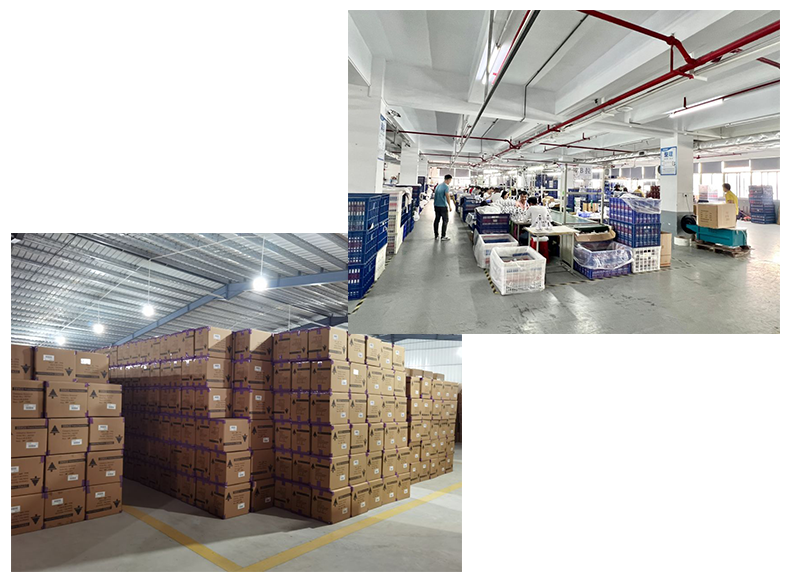
For high-volume products like children's storage furniture and plastic modular bins, raw material logistics and injection molding efficiency are critical to cost control. Ducky’s presence in Chenghai allows us to optimize every stage of production:
The global market for child-centric home organization has experienced steady growth, driven by changing household sizes, increasing urbanization, and a growing emphasis on childhood play spaces. Commercial buyers face complex market demands that require close alignment with OEM factories.
Large retailers are prioritizing flat-packed, tool-free assembly systems that reduce shipping volumes and decrease last-mile logistics costs for consumers.
Kindergartens, daycare centers, and Montessori facilities require heavy-duty storage structures that can withstand high frequency daily usage and strict commercial cleaning routines.
Increasing focus on neutral, natural colors that blend with home interiors, moving away from bright primary colors toward modern, integrated styles.
As a leading OEM supplier, we focus on technical innovation to build durable, scalable children's storage systems. Our design roadmap is built on three main technical foundations:
Traditional plastics are being replaced by high-durability composites. We utilize specialized food-grade polypropylene combined with post-consumer recycled resins to maintain impact resistance while meeting sustainability targets.
We use Finite Element Analysis (FEA) to simulate load distribution across storage shelves and interlocking bins. This ensures our designs resist structural failure under heavy weight or dynamic loads, minimizing the risk of tip-overs or collapsing components.
Our future designs feature click-to-lock modular mechanisms. These allow distributors to ship products flat, while allowing users to reconfigure shelves, boxes, and drawers as their storage needs change.
Children's toy storage requirements vary significantly depending on local housing structures, safety regulations, and educational approaches. Understanding these details helps us customize OEM designs for different regional markets.
Focuses on large-volume, high-capacity toy chests and playrooms. Design emphasis is on tip-over prevention compliance (ASTM F2057) and anchor systems.
Requires space-efficient, vertical designs that fit smaller apartment floor plans. High demand for wood finishes and neutral, understated aesthetics.
Requires modular bins that help children learn to categorize items, often used in kindergartens and primary schools to build cleaning routines.
Exporting children's products requires strict adherence to international safety standards. Ducky's quality assurance process covers every stage of production, ensuring that all storage solutions meet or exceed regional safety mandates.
Our manufacturing and testing protocols align with major global testing frameworks, including:
Anti-Tip Stability Testing: Ensuring loaded storage units remain stable under vertical and horizontal force simulations.
Tension and Bite Tests: Verifying that small handles, knobs, and locking parts cannot be easily broken or detached by children.
Chemical Assay Profiling: Conducting batch-level testing to confirm the absence of VOCs, BPA, and heavy metals.
Have questions about working with Ducky for your custom children's storage needs? Here are detailed answers regarding our engineering, production, and ordering processes.
Browse our selection of modern, high-durability toys and learning tools designed for B2B distributors worldwide.
 Ducky Sourcing