High-demand consumer products developed with global quality benchmarks and robust material structures.
Why standard plastic molds fail large breeds and how advanced OEM engineering addresses feline physiology.
In the global pet supplies market, "one size fits all" is rapidly becoming an obsolete philosophy. The growth of domestic populations of larger feline breeds, such as the Maine Coon, Ragdoll, Siberian, and British Shorthair, has exposed a critical market gap. Most standard off-the-shelf cat litter boxes are molded with linear dimensions that restrict movement, causing discomfort and chronic spatial stress. A Maine Coon, which can reach body lengths of up to 100 cm from nose to tail, requires a minimum turning diameter of 75 cm to eliminate naturally and bury waste comfortably.
From a veterinary perspective, restricted space directly correlates with feline stress and behavioral complications. When a large cat is forced to crouch or bend to fit into a standard-sized tray, it often leads to box avoidance, out-of-box urination, and high anxiety. Over time, incomplete posture during urination can lead to incomplete bladder voiding—a primary contributor to Feline Lower Urinary Tract Diseases (FLUTD), including idiopathic cystitis and dangerous urethral blockages.
Therefore, professional B2B buyers must partner with OEM suppliers capable of engineering heavy-duty, structural litter boxes that respect feline kinesis. This involves designing products that offer ample turning space, high backwalls to prevent vertical spraying, and stable bases that will not tilt under the weight of a 10 kg to 15 kg cat.
Technical Insight: Feline behavioral tests prove that cats prefer litter boxes that are at least 1.5 times the length of their body from the base of their neck to the base of their tail. For a 9 kg Ragdoll, this requires a minimum length of 70 cm—a standard that only highly specialized OEM factories can execute with custom injection molds.
Inside the structural design, polymers, and mold integrity required for high-capacity pet furniture.
Large cats exert significant localized force when stepping on the entry steps or walls of a litter box. B2B importers must avoid cheap regrind plastics. High-grade Virgin Polypropylene (PP) and high-impact Acrylonitrile Butadiene Styrene (ABS) are the industry standards. Custom formulations incorporate antimicrobial additives (silver ions) directly into the plastic melt to inhibit bacteria growth and chemical degradation caused by ammonia exposure.
Large-format plastic pieces are prone to cooling-related warppage. OEM factories utilize multi-point hot runner injection gates and rib-reinforced base structures to maintain planar flatness under heavy loads. This engineering prevents the plastic from bowing or cracking when the litter box contains 15 kg of wet clay or heavy pine pellets.
Global brand owners need customization flexibility to stand out. OEM factories provide modular mold inserts that allow clients to toggle between open-top, hooded, entry-filter grates, and integrated sifting trays without reinvesting in entirely new tooling. Custom colors can be matched precisely using Pantone reference systems.
How localized manufacturing ecosystems in Guangdong ensure cost leadership, speed to market, and precision tooling.

When outsourcing the manufacture of large-format plastic goods like big cat litter boxes, geographic location dictates cost structure and logistics capability. The Chenghai district of Shantou in Guangdong province is historically famous for producing roughly 80% of the world's toys. However, this high concentration of manufacturing has fostered a robust ecosystem of advanced injection molding, high-precision metal mold tooling, and integrated plastic compounders.
By leveraging this localized supply chain, factories in Shantou can source raw polypropylene resins and specialized color masterbatches with minimal lead times. This proximity significantly reduces internal transportation and raw material storage overheads. Additionally, Chenghai's mold makers are among the most competitive globally, reducing the development cost of new, large-volume injection molds by up to 60% compared to Western tooling facilities.
This industrial concentration translates directly to B2B procurement benefits: faster prototype turnarounds, low minimum order quantities (MOQs) for custom colorways, and a highly streamlined supply chain that resists external shocks. At Ducky, we orchestrate these regional strengths to bridge the gap between B2B clients and premium manufacturing assets, assuring consistent quality and reliable delivery timelines.
Navigating complex international regulations to guarantee safe imports and friction-free logistics.
Pet health products are subject to strict inspection regimes. High-quality OEM factories ensure their plastic resins comply with US FDA food-contact regulations, EU REACH SVHC (Substances of Very High Concern) guidelines, and California Proposition 65 limits on heavy metals, phthalates, and bisphenols (BPA-free).
As smart, self-cleaning litter boxes gain market share, products must secure electromagnetic compatibility (EMC) and safety credentials. This includes CE, FCC, RoHS, and UL testing for integrated electronics, motors, infrared sensors, and Wi-Fi modules.
Due to their large dimensions, shipping cost calculation is a critical variable for cat litter boxes. OEM factories engineer packaging to optimize nested stacking ratios within shipping containers. Additionally, packaging must undergo ISTA-3A or ISTA-6-Amazon drop testing to survive parcel delivery networks.
Matching custom B2B manufacturing capabilities to localized retail channels and target audiences.
Online merchants require space-efficient designs. Nestable shapes allow the cat litter box to fit into flat, cost-effective mailer boxes, minimizing dimensional weight surcharges (DIM weight) applied by carriers. Specialized OEM suppliers provide complete packaging customization, instruction inserts, and direct container shipping options to Amazon FBA warehouses.
Brick-and-mortar retailers prioritize visual appeal and shelf presence. Features like high-gloss finishes, pastel colors, and modular configurations with attractive paper wraps help drive impulse purchases. OEM manufacturers support these channels with retail-ready display stands and mixed-SKU containers.
Clinical environments demand maximum sanitary control. Professional buyers look for heavy-duty, commercial-grade polymer designs that withstand harsh sanitizers. Smooth interior walls without tight corners prevent waste build-up and simplify cleaning for busy staff.
How IoT, material science, and green manufacturing are shaping the future of cat waste management.
Future litter boxes will act as health monitoring stations. Built-in high-precision load cells track weight fluctuations, and optical sensors monitor visit frequency. This data alerts pet parents to early signs of illness, creating high-margin opportunities for brands offering connected products.
Passive carbon filters are being replaced by active technologies. Innovations include built-in UV-C sterilization lights, low-voltage plasma deodorizers, and advanced photocatalyst panels that actively break down volatile organic compounds (VOCs) and ammonia gas.
Sustainability is a primary consumer purchase driver. OEM factories are developing cat litter boxes utilizing up to 70% Post-Consumer Recycled PP. Achieving this requires precise quality control to ensure recycled plastics retain mechanical strength and remain odor-free.
Your Strategic B2B Procurement Partner, from Chenghai to the World.
We started as a small toy export company with just two people, operating from an office of less than 20 square meters and struggling with limited cash flow. Yet, through keen market insights, distinctive business strategies, and patient communication with our clients, we gradually earned recognition and trust. We understood early on that clients are not only looking for products, but also for partners who can truly solve problems and create value. With every collaboration, we strived to provide practical solutions and dedicated service, winning customer appreciation while accumulating valuable experience and building stronger relationships.
Over time, as our reputation grew and our expertise deepened, Ducky evolved from a small trading company into a full-category procurement service provider for global B2B clients. Today, we possess extensive industry experience and a wide supply chain network, enabling us to offer comprehensive procurement services covering toys, household goods, pet supplies, and a wide range of other injection-molded products. We remain committed to our founding principle: to listen attentively to client needs and deliver efficient, professional, and flexible procurement solutions. In today’s increasingly competitive global market, we are more than just a supplier—we are a trusted long-term partner to our clients.
We are committed to offering our clients the highest-quality products and services at competitive prices. We strive to become a leader in the industry, delivering excellence to our customers.
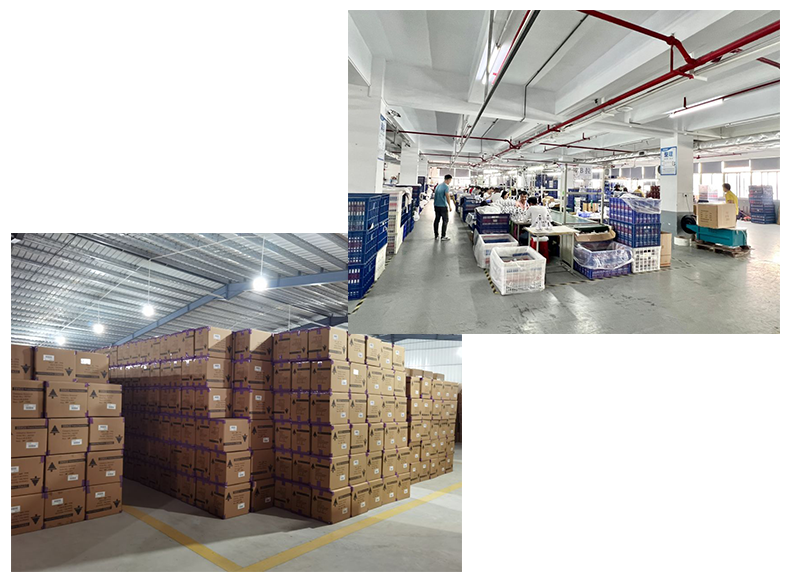
We have an office in Chenghai, Shantou—a dynamic hub of the toy and gift industry. Chenghai produces approximately 80% of the world’s toys. We collaborate closely with local manufacturers to create high-quality plastic goods and toys that meet international safety standards, ensuring every product is both safe and creative. Throughout production, we pay attention to every detail, maintaining strict quality control so that each product provides satisfaction and value to our customers.
We also have a professional logistics team to ensure that every product is delivered safely and efficiently. From procurement to transportation, we oversee every step of the process, working with reliable logistics companies to guarantee on-time delivery and uncompromised quality.
Answers to technical, regulatory, and logistics queries from global B2B procurement professionals.
For large plastic items requiring 1,000 to 1,600-ton injection molding machinery, the mold design phase takes approximately 10 to 15 days. Steel machining, EDM, polishing, and trial testing require an additional 30 to 45 days. The typical total timeline to receive your first product sample is 45 to 60 days.
We use virgin high-density polypropylene (PP) mixed with antimicrobial masterbatches. Unlike recycled plastics, which contain micro-pores that harbor bacteria and absorb urine odor, our virgin resin creates a non-porous, hydrophobic surface that resists stains and bacterial colonization.
Our standard MOQ for custom Pantone colors is 1,000 units per colorway. Custom packaging boxes or private-label logo printing can be supported on orders starting from 500 units. For initial test launches, we can sometimes group production runs to offer flexible terms.
We utilize custom nestable designs where the litter box hoods and bases stack tightly together. This reduces shipping volume by up to 50% compared to non-nesting designs, allowing us to load more units per 40HQ container and lower ocean freight costs per unit.
Yes, our engineering network supports advanced PCB design, motor integration, load sensor calibration, and wireless connectivity setup. We can build customized smart self-cleaning systems complete with FCC and CE electrical safety certifications.
Leverage our extensive supply chain network to source diverse high-quality products.
 Ducky Sourcing