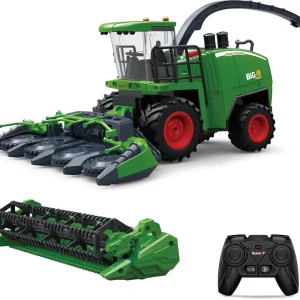
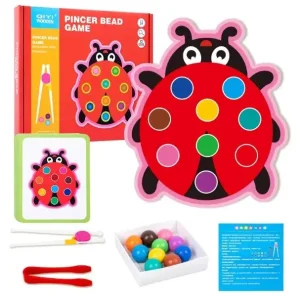
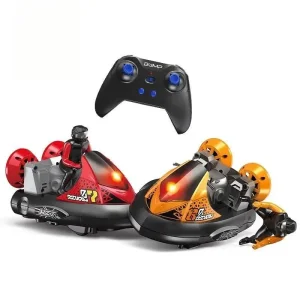
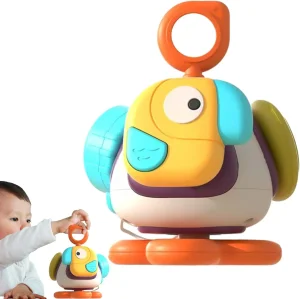
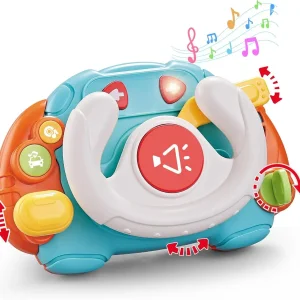
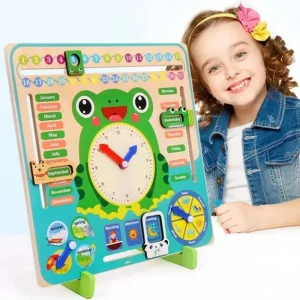
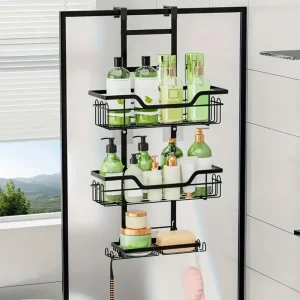
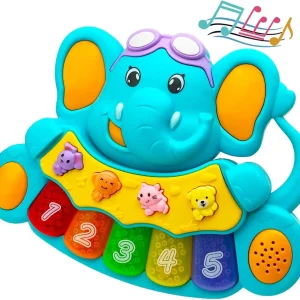
Explore our extensive production capabilities. In addition to high-performance food storage solutions, our comprehensive supply chain leverages Shantou's premier manufacturing ecosystem.
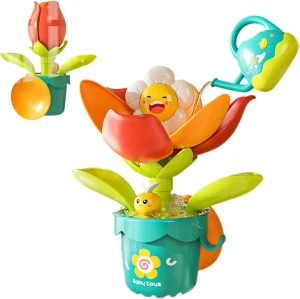
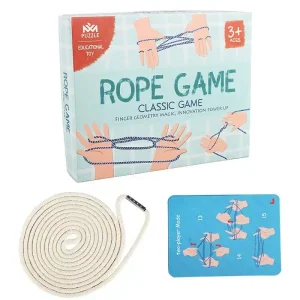
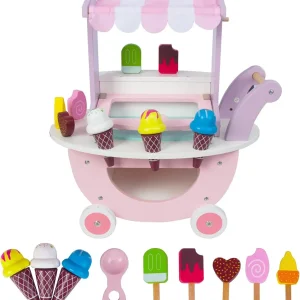
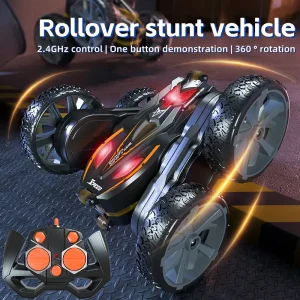

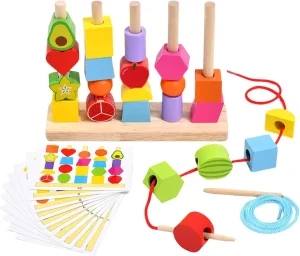
We started as a small toy export company with just two person, operating from an office of less than 20 square meters and struggling with limited cash flow. Yet, through keen market insights, distinctive business strategies, and patient communication with our clients, we gradually earned recognition and trust. We understood early on that clients are not only looking for products, but also for partners who can truly solve problems and create value. With every collaboration, we strived to provide practical solutions and dedicated service, winning customer appreciation while accumulating valuable experience and building stronger relationships.
Over time, as our reputation grew and our expertise deepened, Ducky evolved from a small trading company into a full-category procurement service provider for global B2B clients. Today, we possess extensive industry experience and a wide supply chain network, enabling us to offer comprehensive procurement services covering toys, household goods, and a wide range of other products. We remain committed to our founding principle: to listen attentively to client needs and deliver efficient, professional, and flexible procurement solutions. In today’s increasingly competitive global market, we are more than just a supplier—we are a trusted long-term partner to our clients.

We are committed to offering our clients the highest-quality products and services at competitive prices. We strive to become a leader in the industry, delivering excellence to our customers.
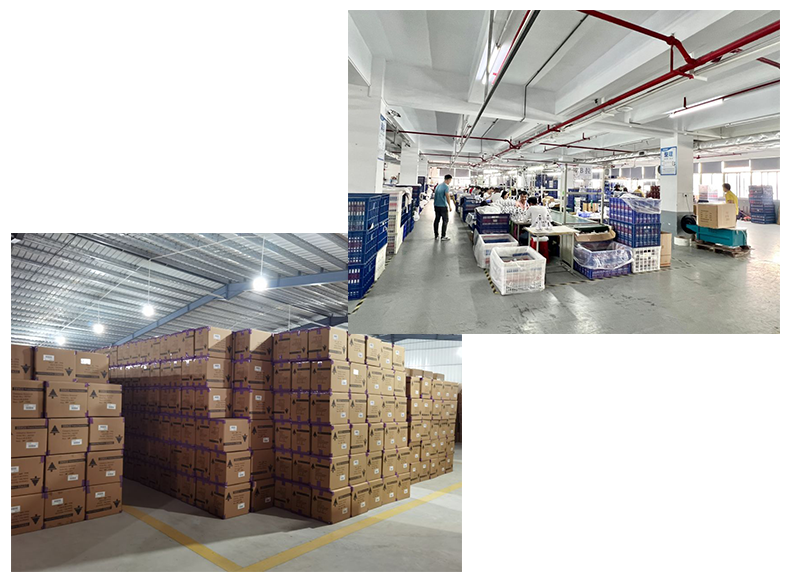
Our systematic approach to quality control, combined with regional clustering, ensures global compliance and scalability.
How we ensure hermetic performance and supply chain stability for high-volume consumer goods.
Utilizing high-grade Polypropylene (PP), Tritan Copolyester, and Borosilicate glass to guarantee BPA-free, food-safe storage that resists thermal shock and physical wear.
Engineered dual-rim silicone gaskets paired with heavy-duty snap-locking hinges to achieve absolute oxygen-barrier and moisture-vapor control.
Operating state-of-the-art injection molding facilities with integrated robotic arms, reducing human error, lowering lead times, and maintaining tight physical tolerances.
In the contemporary B2B landscape, food safety and shelf-life maximization have evolved from consumer preferences to strict, legally mandated operational requirements. Global food brands, retail chains, and commercial kitchens face significant challenges regarding food spoilage, chemical migration, and supply chain logistics. At the heart of resolving these issues lies the science of hermetic packaging. Airtight food containers designed for OEM application are no longer basic plastic boxes; they are highly engineered storage solutions that regulate oxygen transmission, prevent ambient humidity infiltration, and maintain structural integrity under extreme temperature ranges.
As a leading supplier with a deep manufacturing pedigree, we recognize that the primary function of an airtight container is the prevention of microbial growth and enzymatic food spoilage. This is accomplished by designing specialized seal profiles that compress uniformly under pressure. Achieving this consistent compression across millions of produced units requires precision mold design, advanced polymer choice, and automated production testing. In the following sections, we will delve into the molecular characteristics of materials, mold engineering mechanics, and strategic supply chain factors that define a world-class OEM manufacturer.
Understanding polymer performance is crucial for B2B buyers looking to customize food container lines. Depending on the target market, temperature applications, and price points, different raw materials must be strategically deployed:
| Material Type | Thermal Range | Clarity Level | Impact Resistance | Primary Regulatory Compliance |
|---|---|---|---|---|
| Polypropylene (PP) | -20°C to 120°C | Translucent to Opaque | High (Flexibility) | FDA 21 CFR 177.1520, LFGB |
| Tritan Copolyester | -40°C to 100°C | Excellent (Crystal Clear) | Extreme (Shatterproof) | FDA, NSF Standard 51, LFGB |
| Borosilicate Glass | -40°C to 400°C | High (Clear) | Medium (Fragile to drops) | EU Regulation No. 1935/2004 |
| Platinum Silicone | -60°C to 230°C | Translucent/Custom | Non-applicable | LFGB (German food safety laws) |
True airtight sealing requires maintaining constant mechanical pressure. Our engineering team utilizes finite element analysis (FEA) to simulate stress distribution across the container lid and latches. A common failure in lower-quality containers is "bowing" of the lid over time, which compromises the seal at the center points away from the latches. To combat this, we implement several key design protocols:
Firstly, the dual-molded lid design utilizes a rigid outer frame (often PP or ABS) to maintain physical shape, co-injection-molded with a flexible thermoplastic elastomer (TPE) or configured with a groove for a removable silicone gasket. Removable gaskets require high mechanical friction to remain in place during washing, but must be easily extractable for sanitization. Secondly, the latch systems (usually 2-way or 4-way snap systems) are calculated to click at specific locking forces, ensuring that arthritic users can operate them easily while still maintaining sufficient compression force to achieve airtightness (measured via standard pressure drop testing).
"Airtight integrity is quantified by measuring the Oxygen Transmission Rate (OTR) and Water Vapor Transmission Rate (WVTR). High-performance containers maintain an OTR close to zero, effectively preserving organic compounds from oxidation."
Sourcing food containers globally presents complex logistics and regulatory barriers. China remains the undisputed global hub for industrial-scale plastic injection molding. The geographic convergence of chemical feedstock suppliers, tool designers, robotic automation companies, and shipping ports creates an efficient ecosystem that cannot be replicated easily elsewhere.
Ducky’s strategic office location in Chenghai, Shantou—a dynamic powerhouse responsible for producing approximately 80% of the world’s toys—places us at the center of high-precision plastics engineering. Toys and food contact materials share identical plastic formulation regulations regarding heavy metals, phthalates, and physical hazards. By mastering the strict quality frameworks of international toy safety (such as ASTM F963 and EN71), we have seamlessly scaled our logistics, sourcing, and quality control systems to manage high-precision household goods, including food-grade airtight containers. This crossover expertise allows us to provide rapid tooling development, robust material verification, and optimized shipping processes that other trading entities struggle to match.
For brands looking to establish a proprietary footprint in the consumer market, custom tooling is the absolute path to product differentiation. We provide complete end-to-end OEM and ODM support:
Compliance is the single most critical factor in importing food contact substances. Importing non-compliant plastic goods can result in immediate seizure at the port of entry, severe financial penalties, and catastrophic damage to brand reputation. Our quality assurance protocol is built on three levels of defense:
Raw Material Certification: Every batch of polymer pellets we receive from chemical refineries must carry a Certificate of Analysis (COA) confirming zero recycled contamination and strict compliance with FDA 21 CFR or EU No 10/2011 regulations. We strictly reject unsorted post-consumer plastics for any food-contact manufacturing.
Factory Audit & In-Process Inspection: Our partner factories maintain ISO 9001:2015 certifications and frequently undergo BSCI audits. During production, automated sensors measure clamp pressure and melt temperature, while our QA inspectors conduct drop tests and seal-compression tests hourly.
Third-Party Laboratory Verification: We regularly collaborate with international testing agencies like SGS, TUV, and Intertek to run migration tests (overall and specific migration of plasticizers, heavy metals, and colorants) under simulated usage conditions (varying acidity, alcohol content, and high temperature).
Expert answers to critical procurement, technical, and regulatory questions regarding OEM airtight food container manufacturing.
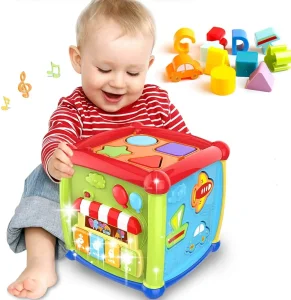
Discover our extended sourcing portfolio, engineered with the same precision, raw material integrity, and strict quality control standards.
 Ducky Sourcing