Explore our highly integrated industrial solutions, representing high-standard manufacturing capabilities across global partner networks.

Analyzing the macroeconomics of stainless steel kettle manufacturing, regional industrial belts, and pricing optimizations.
The global stainless steel kettle industry has experienced significant shifts, driven by industrial automation, volatile raw material costs (primarily nickel and chromium indexes), and rising compliance requirements in Europe and North America. Today, China remains the epicenter of electric kettle fabrication, accounting for over 80% of global export volume. This massive capacity is clustered within regional industrial belts across Guangdong (particularly Zhanjiang, Shunde, and Shantou) and Zhejiang provinces.
These manufacturing ecosystems leverage tight supply chains, combining sheet metal stamping plants, injection molding facilities, thermostat designers, and advanced testing labs in close geographic proximity. This clustering ensures that B2B buyers can obtain highly cost-effective (cheap) OEM/ODM services without sacrificing thermal safety or material purity. High-efficiency automated assembly lines have reduced human labor variables, ensuring consistency in weld strength and cosmetic finishing.
From an experienced procurement perspective, "cheap" does not mean poor structural design. It represents the optimization of manufacturing efficiency, minimizing scrap rates, and strategic sourcing of materials. Competent OEM/ODM factories utilize high-tonnage progressive die presses that draw kettle bodies in single steps, drastically reducing weld requirements and labor time.
Furthermore, the integration of standardized, mass-produced thermostats (such as domestic Fada or Jiatai units for price-sensitive markets, and Strix or Otter for premium tiers) allows factories to tailor the unit economics of the kettle to the precise target market of the importer.
A rigorous engineering view of material grades, heating element design, and structural assembly processes.
Understanding the distinction between SUS 201, 304, and 316 is paramount. While SUS 201 keeps costs low, it has lower corrosion resistance. Top manufacturers recommend SUS 304 (18/8 food-grade) for global compliance (LFGB and FDA compatibility), preventing rust and chemical leaching over long-term thermal cycling.
Modern kettles utilize thick-film heating elements or traditional under-floor heating coils brazed to an aluminum diffuser plate. This plate ensures uniform heat distribution, minimizing localized boiling spots and scaling. Thermostats control boil-dry protection and automatic shut-off triggers.
High-caliber factories operate rigorous Quality Management Systems (QMS). Testing includes: Dielectric strength testing (Hi-pot test), leakage and pressure checks under 1.5x working thermal loads, corrosion resistance validation via salt-spray testing, and physical drop tests for shipping durability.
| Steel Grade Designation | Composition (Cr / Ni / Mn) | Corrosion Resistance Level | Regulatory Alignment | Optimal Use Case |
|---|---|---|---|---|
| SUS 201 | 16-18% Cr / 3.5-5.5% Ni / 5.5-7.5% Mn | Moderate (prone to rust over time) | Non-EU, basic market standards | Ultra-budget, dry climate regions |
| SUS 304 | 18-20% Cr / 8-10.5% Ni / <2% Mn | High (Excellent rust resistance) | FDA, LFGB, GB4806 compliant | Standard commercial & domestic kettles |
| SUS 316 | 16-18% Cr / 10-14% Ni / 2-3% Mo | Extreme (Highly resistant to chlorides/salts) | Premium medical & infant-grade standards | Specialized high-end or marine environments |
The production of a modern stainless steel kettle involves several key engineering phases:
Adapting physical kettle designs to varying regulatory and environmental frameworks across the globe.
Hotels, offices, and catering facilities require durable, low-maintenance units. For hospitality environments, factories design low-wattage kettles (0.8L to 1.2L, 1000W-1200W) to prevent circuit overloads on guestroom power grids. They also incorporate double-walled cool-touch technology, where an outer PP shell wraps the inner steel tank, preventing guest burns and reducing thermal loss.
The rise of smart homes demands kettles with Bluetooth/Wi-Fi chips, temperature sensor probes (NTC thermistors), and customizable heating cycles (such as 40°C for milk formula, 80°C for green tea). In high-altitude geographic regions (e.g., Andean countries or Central Asia), boiling points drop below 100°C. Standard thermostats fail to shut off; modern designs incorporate electronic pressure sensors or custom thermostat calibrated curves.
The consumer appliance industry is transitioning toward carbon neutrality. Manufacturers are actively pursuing several avenues of eco-innovation:
Vacuum-Insulated Flask Kettles: By merging the technology of a vacuum flask with an electric kettle, companies are designing units that can retain water temperatures above 80°C for up to 6 hours after boiling without drawing auxiliary power. This dramatically reduces standby energy usage.
Green Metallurgy: Forward-looking factories are partnering with eco-certified steel mills using electric arc furnaces (EAF) powered by renewable energy. This reduces the carbon footprint of the raw stainless steel by up to 40% compared to traditional blast furnace routes.
Strategic insights for procurement directors negotiating contracts, tariffs, and shipping logistics.
Global trade regulations are increasingly complex. Importers in the United States and the European Union must navigate anti-dumping tariffs and specific steel quotas. Smart sourcing involves:
When comparing quotes from various factories, looking only at the FOB unit price is a common pitfall. A professional B2B buyer calculates the *Total Cost of Ownership*, which includes:
| Cost Component | Underlying Parameters | Risk Mitigation Method |
|---|---|---|
| FOB Unit Price | Raw steel cost, assembly labor, basic packaging, factory margin. | Utilize index-based pricing tied to LME (London Metal Exchange) steel indexes. |
| Defect Rate Cost | Returns, consumer complaints, administrative overhead, warranty replacements. | Insist on a 1.5% spare parts allowance or factory-funded warranty clause. |
| Compliance Auditing | Third-party laboratory validation, certification fees (CE, GS, UL, RoHS). | Verify existing factory test reports from accredited bodies (SGS, TUV, Intertek). |
| Logistics & Demurrage | Container packing efficiency, port handling fees, customs clearance. | Optimize carton dimensions to maximize container space utilization (CBM). |
We started as a small toy export company with just two people, operating from an office of less than 20 square meters and struggling with limited cash flow. Yet, through keen market insights, distinctive business strategies, and patient communication with our clients, we gradually earned recognition and trust. We understood early on that clients are not only looking for products, but also for partners who can truly solve problems and create value. With every collaboration, we strived to provide practical solutions and dedicated service, winning customer appreciation while accumulating valuable experience and building stronger relationships.
Over time, as our reputation grew and our expertise deepened, Ducky evolved from a small trading company into a full-category procurement service provider for global B2B clients. Today, we possess extensive industry experience and a wide supply chain network, enabling us to offer comprehensive procurement services covering toys, household goods, and a wide range of other products (including household appliances like stainless steel kettles). We remain committed to our founding principle: to listen attentively to client needs and deliver efficient, professional, and flexible procurement solutions. In today’s increasingly competitive global market, we are more than just a supplier—we are a trusted long-term partner to our clients.
We are committed to offering our clients the highest-quality products and services at competitive prices. We strive to become a leader in the industry, delivering excellence to our customers.
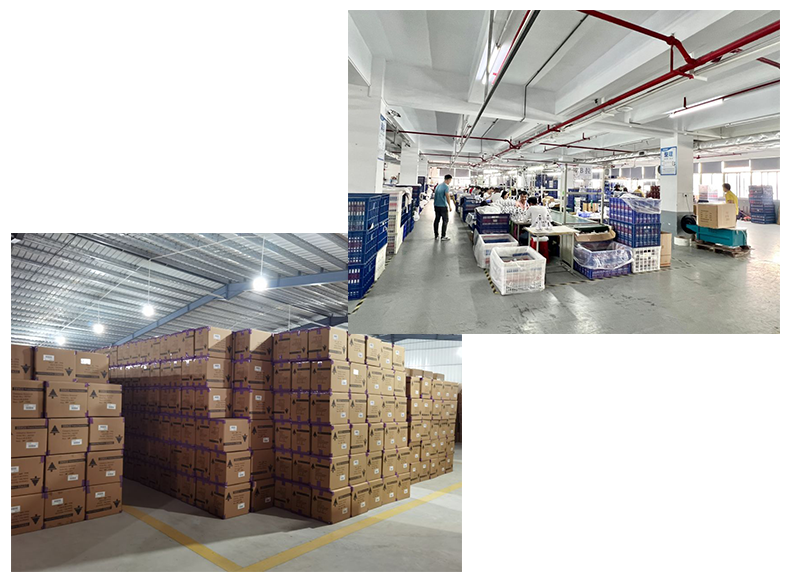
We have an office in Chenghai, Shantou—a dynamic hub of the toy and gift industry. Chenghai produces approximately 80% of the world’s toys. We collaborate closely with local manufacturers to create products that meet international safety standards, ensuring every product is both safe and creative.
Throughout production, we pay attention to every detail, maintaining strict quality control so that each product provides satisfaction and value to our customers.
We also have a professional logistics team to ensure that every product is delivered safely and efficiently. From procurement to transportation, we oversee every step of the process, working with reliable logistics companies to guarantee on-time delivery and uncompromised quality.

Insights directly from our engineering and trade compliance team to streamline your procurement cycle.
Leverage our integrated supply chain networks and deep manufacturing connections to scale your household and commercial portfolios. Request a custom quote today.
Contact B2B DeskOur complete collection of global export goods, conforming to international safety and quality guidelines.




 Ducky Sourcing