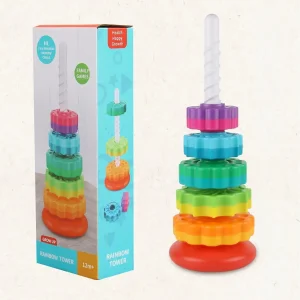
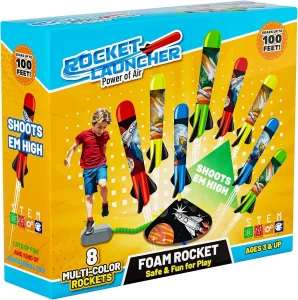
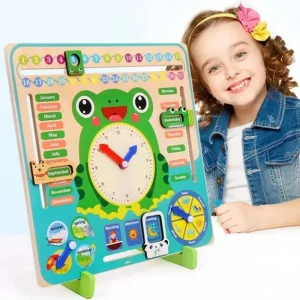
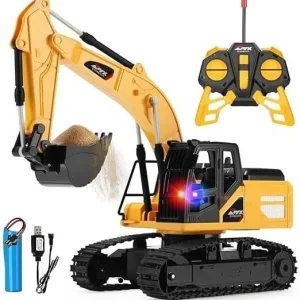
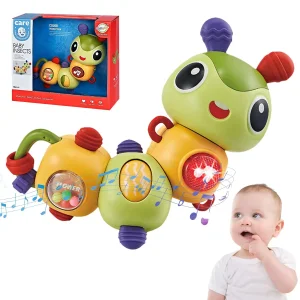
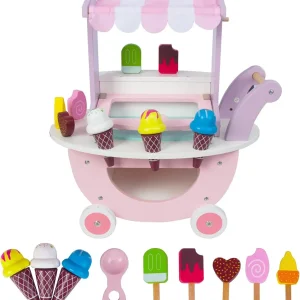
Explore our comprehensive industrial manufacturing & export capabilities across high-growth consumer categories.
High-Fidelity Insights into Material Specifications, Structural Technology, and B2B Cost Optimization.
Commercial cooking demands premium grades like SUS304 (18/8) and SUS316 (18/10). Standardizing these raw materials ensures long-term resistance to acidic corrosion, thermal stress, and high-frequency usage in industrial kitchens.
Modern factories implement tri-ply and 5-ply construction, bonding aluminum cores between magnetic stainless steel layers. This process guarantees rapid heat distribution and full compatibility with induction hobs.
With the global phase-out of PFOA, PFOS, and traditional PTFE chemical coatings, uncoated or ceramic-reinforced stainless steel cookware is positioned as the primary choice for health-conscious commercial and retail markets.
Global kitchenware brand managers, supermarket procurement officers, and hospitality suppliers encounter persistent bottlenecks in their supply chains. The search for a "Cheap Stainless Steel Cookware Supplier & Factory" is often compromised by quality degradation, lead-time volatility, or lack of compliance certification.
Successful procurement relies on strategic evaluation markers:
How automation and raw material localization lower manufacturing costs while raising precision standards.
In modern stainless steel cookware fabrication, achieving competitive pricing without sacrificing physical durability requires deep integration of Factory 4.0 principles. Traditional manual metal-spinning and polishing operations are replaced by fully integrated robotic arms and automated pressing lines.
Here is how China's manufacturing clusters optimize the production funnel:
Custom designs tailored to regional cooking styles and regulatory requirements.
Focus on matte internal finishes, metric volume measurements engraved on inner walls, LFGB certification, and space-saving stackable designs tailored for compact metropolitan apartments.
Engineered for fast-paced kitchens. Features heavy-gauge 18/8 stainless steel, reinforced riveted hollow handles for heat dispersion, and NSF-certified construction to withstand industrial dishwasher sanitization.
Optimized for large family portions. Focuses on high-capacity casseroles and multi-tier steamers with gold-plated accent handles and mirror finishes to suit traditional aesthetics.
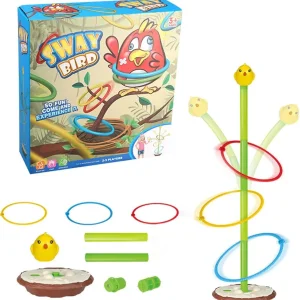
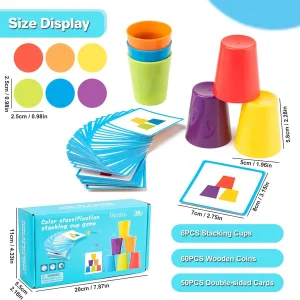
We started as a small toy export company with just two person, operating from an office of less than 20 square meters and struggling with limited cash flow. Yet, through keen market insights, distinctive business strategies, and patient communication with our clients, we gradually earned recognition and trust. We understood early on that clients are not only looking for products, but also for partners who can truly solve problems and create value. With every collaboration, we strived to provide practical solutions and dedicated service, winning customer appreciation while accumulating valuable experience and building stronger relationships.
Over time, as our reputation grew and our expertise deepened, Ducky evolved from a small trading company into a full-category procurement service provider for global B2B clients. Today, we possess extensive industry experience and a wide supply chain network, enabling us to offer comprehensive procurement services covering toys, household goods (including premium stainless steel cookware lines), and a wide range of other products. We remain committed to our founding principle: to listen attentively to client needs and deliver efficient, professional, and flexible procurement solutions. In today’s increasingly competitive global market, we are more than just a supplier—we are a trusted long-term partner to our clients.

We are committed to offering our clients the highest-quality products and services at competitive prices. We strive to become a leader in the industry, delivering excellence to our customers.
We aim to provide the best experience for our clients, from the initial order to final delivery and beyond.
We dedicate ourselves to delivering exceptional customer service and exceeding our clients’ expectations.
We endeavor to offer outstanding value while ensuring that our products are delivered with quality and sustainability in mind.
Operating from China's primary production zones to guarantee output speed and quality.
We have an office in Chenghai, Shantou—a dynamic hub of the toy and gift industry. Chenghai produces approximately 80% of the world’s toys. We collaborate closely with local manufacturers to create toys that meet international safety standards, ensuring every product is both safe and creative.
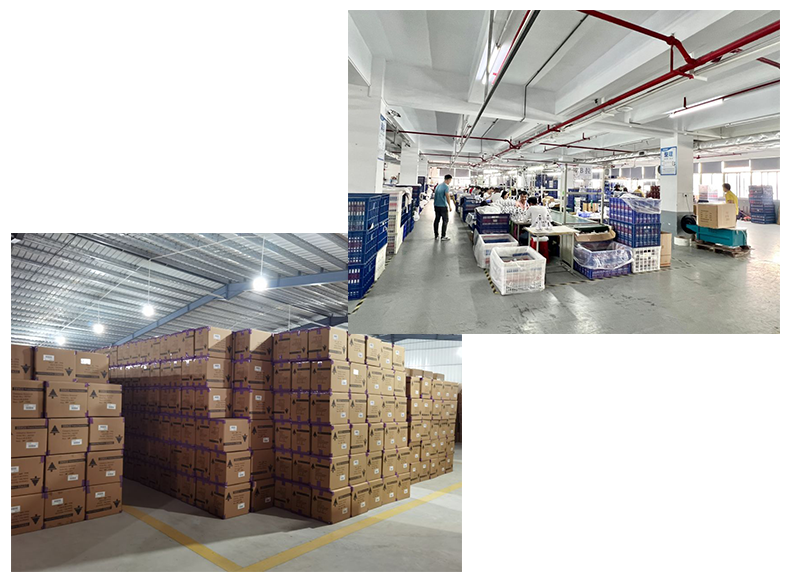
Throughout production, we pay attention to every detail, maintaining strict quality control so that each product provides satisfaction and value to our customers. Our deep supply chain ties in this region, combined with our strategic partnerships in China's metalworking hubs, allow us to coordinate diverse product assortments and bulk household orders efficiently.
We also have a professional logistics team to ensure that every product is delivered safely and efficiently. From procurement to transportation, we oversee every step of the process, working with reliable logistics companies to guarantee on-time delivery and uncompromised quality.
Key information regarding materials, production processes, and B2B ordering terms.
Access our diverse industrial catalogs. Click below for targeted product sourcing paths.
 Ducky Sourcing