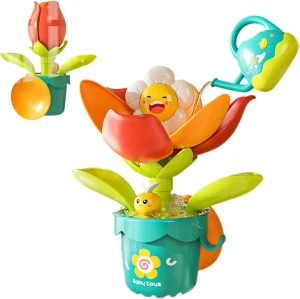
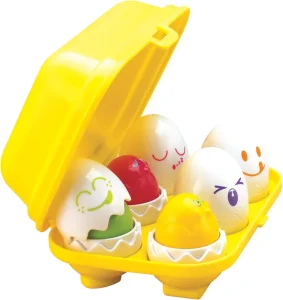
Explore our premium selection of low-latency, modular-built mechanical and cognitive developmental toys. Engineered under strict certification pathways to provide maximized retail conversion and ROI.

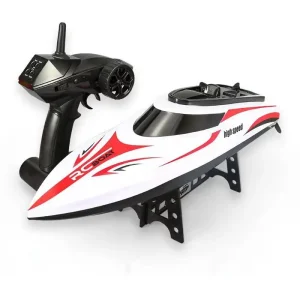
In the highly competitive global consumer electronics and toys segment, procuring cost-effective, durable, and highly marketable Remote Control (RC) Race Cars presents unique optimization challenges. For international brand managers, e-commerce distributors, and wholesale buying houses, sourcing "cheap" remote control cars is not merely a matter of driving down unit costs. It is a strategic balance between engineering trade-offs, plastic compound selections, logistics architecture, and regulatory compliance.
Using optimized ABS copolymer formulations instead of pure virgin polycarbonate balances impact resistance and structural flex while lowering raw material costs by up to 25%.
Transitioning from traditional, high-interference 27MHz/40MHz analog signals to integrated 2.4GHz spread spectrum IC chips offers multi-channel capabilities without premium costs.
Standardizing internal printed circuit board assemblies (PCBAs) across 1:14, 1:18, and 1:24 scales decreases component unit costs via larger bulk-sourcing contracts.
Most global procurement headaches stem from non-synchronized supply chains, where minor delays in electronic component delivery disrupt final assembly lines. By sourcing from a concentrated manufacturing hub, you benefit from real-time parts availability. This localized proximity shortens development cycles from prototype validation to mass production, allowing for rapid iterations based on shifting market feedback.
The international remote control toy market relies heavily on a specialized industrial ecosystem. The primary hub for this production is the Chenghai District in Shantou, Guangdong, China. This industrial cluster produces approximately 80% of the world's toys. This concentration offers deep supply chain integration, housing specialized micro-injection molding workshops, electronic component suppliers, packaging plants, and certified testing laboratories within a 15-kilometer radius.
| Feature / Component | Standard Low-Cost RC Car (Mass Retail) | Advanced Mid-Tier RC Racer (Hobby-Grade Entry) | Sourcing Cost Difference Impact |
|---|---|---|---|
| Primary Material | Recycled ABS / PP Shells | High-Impact Virgin ABS + Nylon Parts | +15% unit cost; yields 40% less return rates |
| Motor Selection | 130 Brushed DC Toy Motor | 380 Brushed / 2435 Brushless Motor | Brushless increases raw components costs by 3x |
| Battery Chemistry | AA Alkaline Tray or Ni-Cd Pack | Li-Po / Li-Ion cylindrical cell (3.7V / 7.4V) | Li-Ion needs integrated charge-protection boards |
| Steering System | Magnetic coil / Centered Return Spring | 9g Proportional Servo Gear system | Servos provide higher precision, raising cost by $1.20/unit |
| RF Control Chipset | Single-channel IC (27/40 MHz) | 2.4GHz FHSS / GFSK Transceiver | Modern 2.4GHz chipsets are now highly cost-effective |
Understanding these cost drivers allows brand managers to build high-performance specifications at optimal cost. For instance, selecting a 2.4GHz RF system coupled with a durable, high-impact virgin ABS chassis and an optimized brushed DC motor allows importers to capture the entry-level enthusiast market while maintaining competitive retail price points.
When evaluating cheap remote control race car manufacturers, QA teams must establish rigorous testing protocols. Cheap production should not mean compromised safety or performance. Below is the structural technical roadmap that our engineering and logistics teams utilize to audit factories and guarantee output reliability.
For remote control cars powered by lithium batteries, safety is paramount. Factories must use batteries with protective circuits (PCM) to prevent overcharging, over-discharging, and short-circuiting. The finished batteries must carry certifications such as UN38.3, MSDS, and IEC62133 to ensure compliance during shipping and customs clearance.
Chassis and gearbox parts require consistent mechanical tolerances. If tolerances are off, gears can slip and wear out quickly. Partner factories must run automated cooling cycle systems on their injection presses to prevent plastic shrinkage and ensure smooth gear engagement.
We started as a small toy export company with just two people, operating from an office of less than 20 square meters and struggling with limited cash flow. Yet, through keen market insights, distinctive business strategies, and patient communication with our clients, we gradually earned recognition and trust. We understood early on that clients are not only looking for products, but also for partners who can truly solve problems and create value. With every collaboration, we strived to provide practical solutions and dedicated service, winning customer appreciation while accumulating valuable experience and building stronger relationships.
Over time, as our reputation grew and our expertise deepened, Ducky evolved from a small trading company into a full-category procurement service provider for global B2B clients. Today, we possess extensive industry experience and a wide supply chain network, enabling us to offer comprehensive procurement services covering toys, household goods, and a wide range of other products. We remain committed to our founding principle: to listen attentively to client needs and deliver efficient, professional, and flexible procurement solutions. In today’s increasingly competitive global market, we are more than just a supplier—we are a trusted long-term partner to our clients.

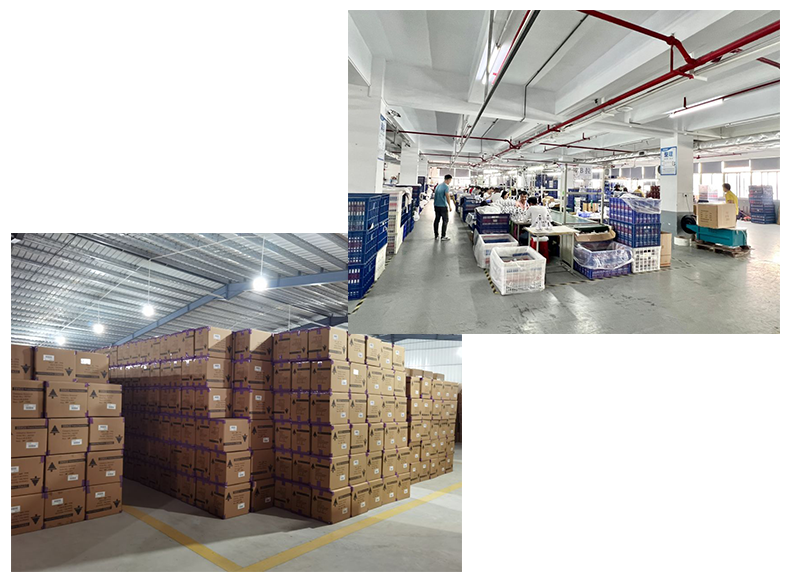
We are committed to offering our clients the highest-quality products and services at competitive prices. We strive to become a leader in the industry, delivering excellence to our customers.
We have an office in Chenghai, Shantou—a dynamic hub of the toy and gift industry. Chenghai produces approximately 80% of the world’s toys. We collaborate closely with local manufacturers to create toys that meet international safety standards, ensuring every product is both safe and creative.
Throughout production, we pay attention to every detail, maintaining strict quality control so that each toy provides satisfaction and value to our customers.
We also have a professional logistics team to ensure that every product is delivered safely and efficiently. From procurement to transportation, we oversee every step of the process, working with reliable logistics companies to guarantee on-time delivery and uncompromised quality.
Navigating customs requirements for remote control toys can be complex. Because they contain electronic components and lithium-ion batteries, standard toy regulations (like ASTM F963 and EN71) are not the only rules that apply. To ensure compliance, importers must confirm that factories provide certifications covering radio frequency interference, battery safety, and chemical compositions.
Requires FCC ID certification for the 2.4GHz transceivers to prevent signal interference. Products must also comply with ASTM F963 safety standards and CPSIA lead/phthalate limits, verified through clean CPC (Children's Product Certificate) filings.
Requires CE Marking indicating compliance with the Toy Safety Directive 2009/48/EC, RoHS 2.0 (restriction of hazardous substances), and the Radio Equipment Directive (RED). All packaging must feature the WEEE symbol.
Because lithium batteries are classified as Class 9 Dangerous Goods, they must pass UN38.3 testing. This covers drop, vibration, thermal, and impact tests to guarantee transport safety via air or sea freight.
The remote control vehicle industry is shifting toward smart, connected, and highly modular platforms. Importers who prepare for these trends now can secure early market advantages. Key developments to watch include:
Replacing custom charging dongles with standardized USB-C ports simplifies the user experience. Smart battery management systems prevent overcharging and extend battery lifespan, reducing post-purchase warranty returns.
Low-latency Wi-Fi and 5.8GHz analog cameras are becoming more cost-effective to produce. This allows factories to integrate FPV camera systems directly into entry-level RC platforms, adding a premium feature for retail markup.
To meet strict corporate sustainability mandates, factories are testing bio-based ABS composites. These materials match the strength of standard plastics while satisfying consumer demand for eco-friendly products.
Below are answers to common questions about sourcing remote control toys, addressing engineering tolerances, quality control, and shipping regulations.
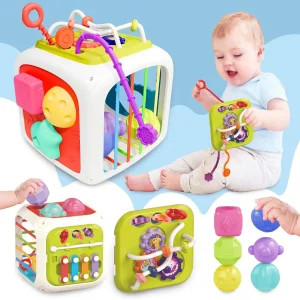
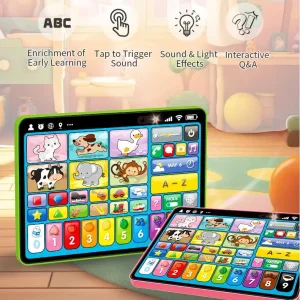
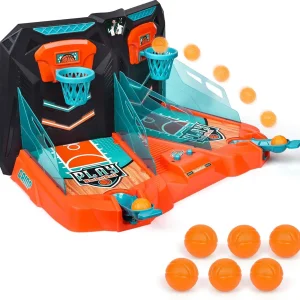
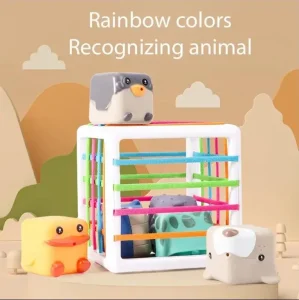
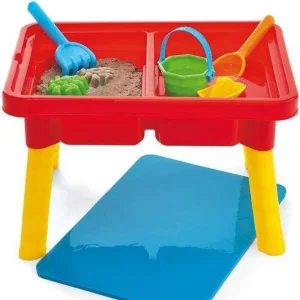
Browse our collection of early childhood, sensory, and recreational toys. All items are manufactured to meet global compliance standards for immediate market entry.

 Ducky Sourcing