


The global hobbyist and commercial aviation simulation markets have experienced unprecedented expansion. Specifically, the segment for Remote Control (RC) Jet Aircraft has transitioned from a specialized, high-cost niche into a booming mass consumer and industrial vertical. Previously, operating a scale model jet demanded significant financial investment in gas turbine engines, carbon-composite fuselages, and advanced telemetry equipment, costing thousands of dollars per unit. Today, advancements in manufacturing technologies, materials science, and electronics integration have democratized this landscape.
Global procurement directors, import brokers, and wholesale distributors are continuously seeking cheap remote control jet aircraft manufacturers who do not compromise on reliability, aerodynamic stability, or build quality. The target is clear: finding factories that can produce durable, high-fidelity Electric Ducted Fan (EDF) and turbine-ready RC jets at a highly competitive unit cost. Leveraging specialized supply chains enables B2B buyers to optimize their profit margins while catering to hobby stores, training institutions, and educational facilities worldwide.
When analyzing structural configurations, the material choice determines the final retail price and the aircraft's resilience during operation. Historically, Expanded Polystyrene (EPS) was widely used due to its featherweight properties and minimal production cost. However, EPS is brittle and cracks easily upon impact. To solve this, leading Chinese factories have shifted to Expanded Polyolefin (EPO) foam, a highly durable material with high elastic recovery and structural memory.
EPO can be injected into precision aluminum molds under high heat and pressure, yielding complex aerodynamic designs with smooth surface finishes that minimize boundary layer drag. Modern factories embed internal carbon fiber spars, rods, and ribs directly into the EPO molding process. This hybrid design guarantees that the wings and fuselage can withstand the extreme G-forces experienced during high-speed banks, loops, and dives, while keeping production costs low.
Standard entry-level RC jets utilize a foam density of approximately 45-50 grams per liter (g/L). Advanced military replica jets (such as scale F-16, F-22, or Su-35 models) use high-density EPO configurations (up to 65 g/L) to prevent structural flexing at high speeds, while keeping the structural weight low enough to maintain a thrust-to-weight ratio greater than 1:1.
The heart of any modern remote control jet aircraft is its propulsion system. For the mass retail market, Electric Ducted Fan (EDF) systems dominate the industry. An EDF consists of a multi-blade fan rotor housed within a cylindrical duct, driven by a high-RPM brushless outrunner motor. This configuration replicates the look and operational characteristics of a real jet turbine engine at a fraction of the cost.
B2B buyers must evaluate several electronic components when choosing a manufacturing partner:
High-voltage Electronic Speed Controllers (ESCs) equipped with linear or switch-mode BECs (Battery Eliminator Circuits) are vital. For 70mm and 80mm jets, ESCs ranging from 60A to 100A with active heat sinks are standard to prevent thermal overload.
To reduce crash rates for entry-level hobbyists, factories pre-integrate stabilization systems. These gyros automatically correct for crosswinds and turbulence, providing smooth and predictable flight profiles.
To withstand aerodynamic loads, control surfaces (ailerons, elevators, rudders) must be actuated by robust digital servos. Metal gears are preferred to prevent stripping during high-speed maneuvers.
The vast majority of the world's commercial toys, drones, and RC models originate from specialized manufacturing hubs in China, specifically the Chenghai District of Shantou. This geographic clustering creates significant cost and speed-to-market advantages:
Remote control jet aircraft are no longer restricted to hobby clubs. B2B buyers must identify how their prospective products align with localized market requirements:
Hobbyists and Specialized Clubs: These end-users demand high realism, functioning scale landing gears, functional flaps, LED navigation lights, and authentic military or civilian liveries.
STEM and Academic Aerospace Education: Universities and STEM academies utilize RC jets as cost-effective teaching tools for fluid dynamics, avionics calibration, and telemetry analysis. Standardizing custom wings, interchangeable nose cones, and variable propulsion mounts enables students to test theoretical principles in real-world environments.
UAV Flight Schools and Professional Training: Commercial drone operators utilize cost-efficient high-speed jets to train pilots on low-latency handling, manual recovery under signal degradation, and coordinated multi-rotor/fixed-wing operations. Losing a high-cost asset during training is financially prohibitive; using cost-effective EPO RC jets solves this issue.
For global enterprise distribution, complying with target market regulations is critical. Chinese factories operating in Chenghai are highly experienced in international compliance testing. B2B supply lines must be supported by appropriate regulatory certifications, including:
Crucial for European markets. Covers electrical component safety, materials toxicity, flammability profiles, and general mechanical safety parameters.
Mandatory for the United States. Ensures that the 2.4GHz radio frequency transmitters and receiver modules do not cause harmful interference in localized environments.
Validates that no hazardous substances (such as lead, cadmium, or mercury) are used in the circuit boards, solder joints, or motor wiring assemblies.
To maintain consistent build quality, factories apply Acceptance Quality Limit (AQL) standards. For premium model RC aircraft, companies typically utilize an AQL threshold of 1.5 for major issues and 4.0 for minor visual imperfections. Key manufacturing processes, such as dynamic rotor balancing for EDF assemblies, are implemented to eliminate high-frequency vibrations that could damage the motor housing over time.
We started as a small toy export company with just two people, operating from an office of less than 20 square meters and struggling with limited cash flow. Yet, through keen market insights, distinctive business strategies, and patient communication with our clients, we gradually earned recognition and trust. We understood early on that clients are not only looking for products, but also for partners who can truly solve problems and create value. With every collaboration, we strived to provide practical solutions and dedicated service, winning customer appreciation while accumulating valuable experience and building stronger relationships.
Over time, as our reputation grew and our expertise deepened, Ducky evolved from a small trading company into a full-category procurement service provider for global B2B clients. Today, we possess extensive industry experience and a wide supply chain network, enabling us to offer comprehensive procurement services covering toys, household goods, and a wide range of other products. We remain committed to our founding principle: to listen attentively to client needs and deliver efficient, professional, and flexible procurement solutions. In today’s increasingly competitive global market, we are more than just a supplier—we are a trusted long-term partner to our clients.

We are committed to offering our clients the highest-quality products and services at competitive prices. We strive to become a leader in the industry, delivering excellence to our customers.
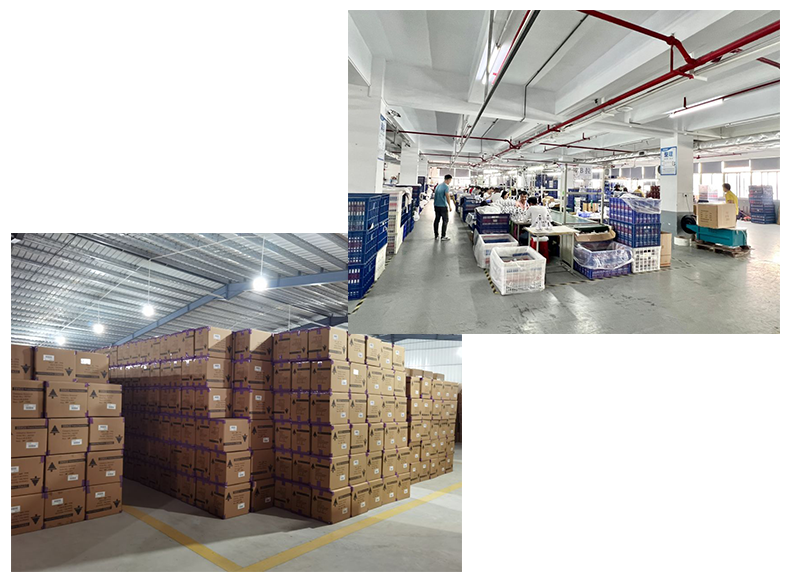
We have an office in Chenghai, Shantou—a dynamic hub of the toy and gift industry. Chenghai produces approximately 80% of the world’s toys. We collaborate closely with local manufacturers to create toys that meet international safety standards, ensuring every product is both safe and creative.
Throughout production, we pay attention to every detail, maintaining strict quality control so that each toy provides satisfaction and value to our customers.
We also have a professional logistics team to ensure that every product is delivered safely and efficiently. From procurement to transportation, we oversee every step of the process, working with reliable logistics companies to guarantee on-time delivery and uncompromised quality.


 Ducky Sourcing