Explore our top-selling institutional, consumer, and custom-molded B2B products designed for efficiency, resilience, and safety.
In the global supply chain, finding a "cheap" plastic storage boxes supplier is not merely about identifying the lowest unit cost. It requires a comprehensive assessment of total cost of ownership (TCO), material optimization, tooling lifespan, nesting ratios, and localized compliance certifications. Plastic storage bins, organizing totes, and modular boxes serve critical functions across diverse industries: from automotive parts bin organization to pharmaceutical cold-chain storage and retail consumer packaging.
This whitepaper, prepared by the technical and sourcing teams at Ducky Supply, outlines how modern B2B buyers can leverage polymer science, advanced injection molding techniques, and strategic logistics hubs (such as our manufacturing facilities in Chenghai, Shantou) to achieve cost efficiency while strictly maintaining product durability, chemical compliance, and environmental sustainability.
1. Material Integrity: Choosing between Homopolymer PP, Copolymer PP, High-Density Polyethylene (HDPE), and Clear Polystyrene (PS).
2. Nested Space Optimization: Specifying taper angles that maximize stackability and minimize shipping volume.
3. Structural Engineering: Utilizing rib reinforcement grids instead of thick walls to cut down resin consumption while maintaining high top-load limits.
An inside look at how localized manufacturing ecosystems lower cost structures without sacrificing engineering thresholds.
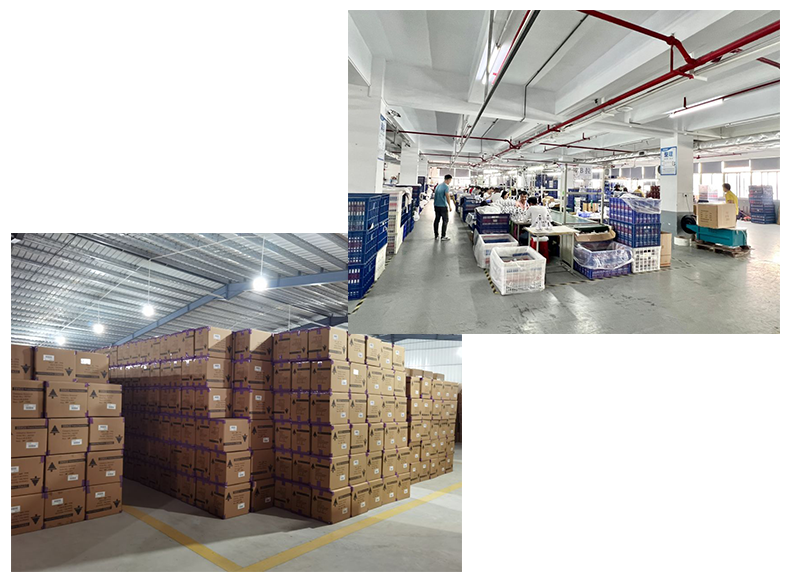
Our core operations are centered in Chenghai, Shantou—a dynamic global manufacturing ecosystem responsible for over 80% of the world's toys and a substantial share of consumer-grade molded plastics. The dense concentration of injection mold fabricators, resin compounders, and secondary processors ensures that raw materials are procured at wholesale scale, with tooling lead times reduced by up to 45% compared to Western suppliers.
The viability of "cheap" plastic storage boxes hinges on mold efficiency. By utilizing multi-cavity hot-runner molds constructed from high-grade P20 or 718 steel, Chinese factories achieve rapid cycle times (down to 15-25 seconds per shot). This high throughput lowers the direct labor and electricity overhead allocated to each unit, which we directly translate into competitive pricing for our clients.
Proximity to massive petrochemical refining centers along China's coastal economic zones ensures a steady supply of premium virgin polymers and compliant recycled resins. This regional integration mitigates the impact of global oil price volatility, ensuring that contract prices for long-term supply agreements remain stable and predictable.
Ensuring that low cost never compromises international health, safety, and performance standards.
How structural design dictates B2B procurement profitability and ocean freight calculations.
The biggest hidden cost in sourcing cheap plastic storage boxes is transporting air. We design nested storage products where the draft angle is optimized (typically between 5° to 12°). This permits empty boxes to insert deeply into one another during shipping. A high nesting ratio (e.g., 1:5 or higher) can reduce ocean freight costs by up to 40% per container load.
Unit cost is directly correlated with injection machine cycle time. By engineering optimized cooling lines into our steel molds and selecting polymers with optimal melt flow indexes (MFI of 15 to 30), we accelerate cooling and ejection phases, shaving fractions of a second off production runs to yield millions of units at lower overhead.
Rather than simply thickening wall profiles to increase load capacities, our engineering team uses finite element analysis (FEA) to place structural ribs at stress concentration points. This retains structural integrity and load capability while reducing overall plastic weight, saving resin costs and optimizing box performance under load.

We started as a small toy export company with just two people, operating from an office of less than 20 square meters and struggling with limited cash flow. Yet, through keen market insights, distinctive business strategies, and patient communication with our clients, we gradually earned recognition and trust. We understood early on that clients are not only looking for products, but also for partners who can truly solve problems and create value. With every collaboration, we strived to provide practical solutions and dedicated service, winning customer appreciation while accumulating valuable experience and building stronger relationships.
Over time, as our reputation grew and our expertise deepened, Ducky evolved from a small trading company into a full-category procurement service provider for global B2B clients. Today, we possess extensive industry experience and a wide supply chain network, enabling us to offer comprehensive procurement services covering toys, household goods, plastic storage boxes, and a wide range of other products.
We are committed to offering our clients the highest-quality products and services at competitive prices. We strive to become a leader in the industry, delivering excellence to our customers.
Evaluating market transitions from classic polymers to sustainable, circular, and smart warehousing designs.
Post-Consumer Recycled (PCR) and Post-Industrial Recycled (PIR) PP resins are witnessing a surge in B2B adoption. Major global retailers are targeting a minimum of 30% recycled content in their storage bins to align with ESG directives. We collaborate closely with petrochemical suppliers to formulate high-performance recycled blends that maintain physical drop-test ratings comparable to virgin resins.
Modern warehouse and inventory workflows demand automated scanning capabilities. Our manufacturing services incorporate in-mold labeling (IML) technology to embed passive RFID tags directly into the plastic walls of storage boxes. This prevents labels from peeling off, allowing enterprises to monitor asset locations throughout the supply chain automatically.
To address the high storage footprint of empty rigid bins, folding and collapsible crate designs are growing in popularity. Our engineering team develops precision mechanical hinges integrated into single-mold injections. This allows users to collapse containers when empty, saving up to 75% of storage volume during transport back to distribution points.
From heavy manufacturing floors to nursery schools, our plastic moldings adapt to precise usage scenarios.
In industrial automation, storage containers must handle heavy weight loads and withstand contact with lubricants, solvents, and temperature extremes. We utilize copolymer PP compounds to ensure that boxes do not crack under impact at sub-zero temperatures, which is a common failure point for cheaper, unengineered plastics.
Retailers require visually appealing, highly transparent organizers made from clarified PP or polystyrene. We optimize color masterbatches to provide exact brand matching, and we apply anti-static surface treatments during molding to prevent dust accumulation on store shelves.
For preschools and home nurseries, child safety is paramount. Our children's organizers are constructed with rounded radii on all corners, preventing injuries from sharp edges. By working closely with local manufacturers in the Chenghai toy cluster, we match our storage solutions to global standards like EN71.
Pharmaceutical operations rely on high-hygiene bins that withstand chemical sanitizers and autoclaving. We supply medical-grade polypropylene bins that feature ultra-smooth interior surfaces to prevent microbial harboring, ensuring that sterilized packaging remains secure and uncompromised.
Crucial answers to the most common queries from procurement managers and global supply chain directors.
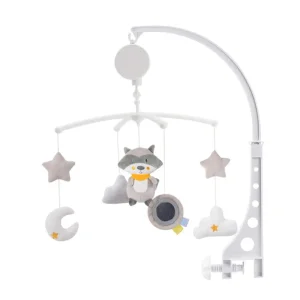
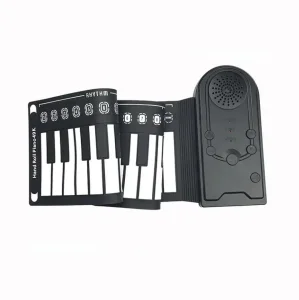
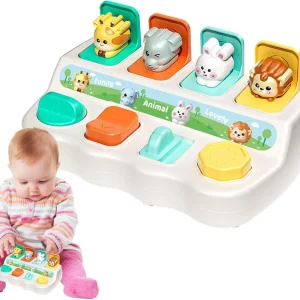
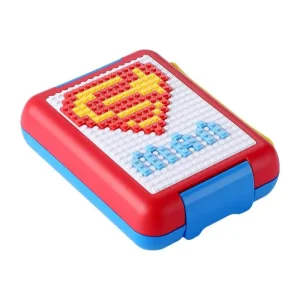
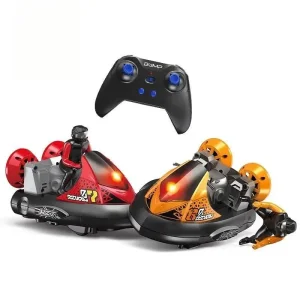
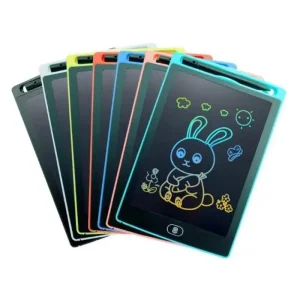
A curated selection of our diverse plastic products, toys, and custom lunch boxes exported globally.


 Ducky Sourcing