The global remote control (RC) vehicle market is undergoing a seismic shift. While electric brushless motors dominate the standard consumer toy space, petrol remote control cars (commonly referred to as gas-powered or nitro RC cars) retain a highly lucrative, specialized segment in the wholesale hobbyist and professional racing sectors. For B2B importers, finding reliable and cost-effective petrol remote control cars suppliers and factories is paramount to capturing this high-margin customer base.
In contrast to simple battery-operated toys, petrol RC cars run on an internal combustion engine, typically powered by a gasoline-oil mixture or nitro-methane fuel. This mechanical complexity means the purchasing intent of distributors differs significantly from typical toy sourcing. The B2B buyer prioritizes mechanical durability, engine displacements (such as 26cc, 29cc, 30.5cc, or 32cc 2-stroke engines), precision transmission gears, and long-term spare part availability. Understanding these technical dynamics allows buyers to identify true manufacturing partners rather than mere assembly shops.
Information Gain Insight: The term "cheap" in the B2B context does not mean low quality. To seasoned procurement officers, "cheap petrol RC cars" indicates optimized production economies of scale, simplified component sourcing without sacrificing safety parameters, and proximity to massive hardware manufacturing clusters like Chenghai, Guangdong.
The enduring popularity of gas-powered cars is anchored by key operational advantages:
Sourcing high-performance remote control cars internationally requires navigating complex logistics and factory metrics. To help you map the competitive landscape, the key considerations for global distributors have been categorized below:
Traditional high-end petrol RC brands operate on highly restrictive dealer models. Sourcing directly from verified Chinese factories permits flexible MOQs, often starting from 50 to 100 units per production run, facilitating efficient inventory rotation.
Successful brands leverage unique aesthetics. Top manufacturers offer customizable injection-molded body shells (polycarbonate or PVC), branded decals, anodized aluminum upgrades, and customized radio transmitter systems to build brand equity.
B2B importers cannot afford high return rates on vehicles retailing for hundreds of dollars. Direct-to-factory auditing checks structural components (chassis plate rigidity, differential gear hardness) before the engine assembly phase.
Furthermore, working with an experienced sourcing provider allows distributors to bundle complementary products—such as battery chargers, educational assembly kits, or safety gear—into single ocean shipments, lowering the overall landing cost per unit.
Every successful global brand relies on a strong supply chain partner. Sourcing products like petrol RC cars requires technical understanding, quality management, and logistics expertise. Ducky provides comprehensive procurement services designed to meet these challenges.
Ducky started as a small toy export company with just two people, operating from an office of less than 20 square meters and managing limited cash flow. Through market insights, targeted business strategies, and clear communication with clients, we earned recognition and trust. We understood early on that clients are not only looking for products, but also for partners who can solve problems and create value. With every collaboration, we focused on providing practical solutions and dedicated service, building stronger relationships and gaining valuable experience.
Over time, as our network grew and our expertise deepened, Ducky evolved from a small trading company into a full-category procurement service provider for global B2B clients. Today, we possess extensive industry experience and a wide supply chain network, enabling us to offer comprehensive procurement services covering toys, household goods, petrol RC accessories, and a wide range of other consumer products. We remain committed to our founding principle: to listen attentively to client needs and deliver efficient, professional, and flexible procurement solutions.

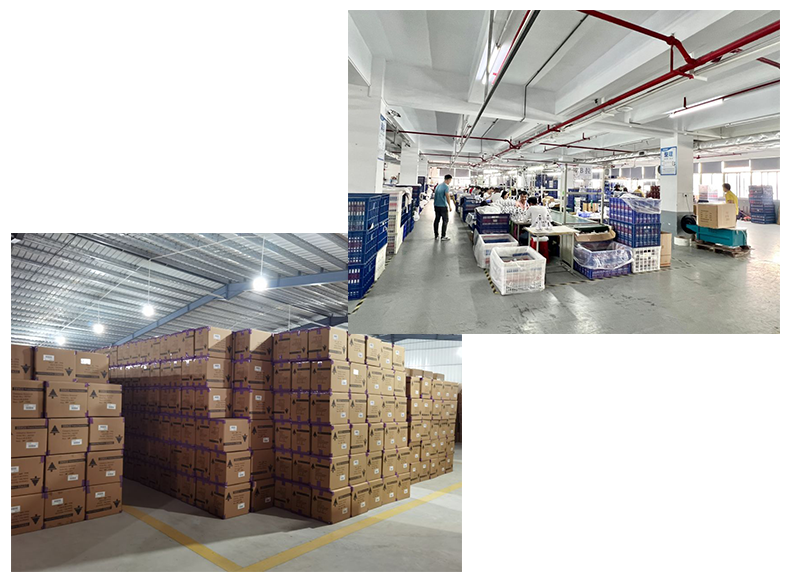
We maintain an office in Chenghai, Shantou—a dynamic hub of the toy and gift industry. Chenghai produces approximately 80% of the world’s toys. We collaborate closely with local manufacturers to source and create items that meet international safety standards, ensuring every product is both safe and creative.
Our mission is clear: we are committed to offering our clients high-quality products and services at competitive prices. We strive to become a leader in the industry, delivering excellence to our customers by managing the process from initial order to final delivery and beyond.
Throughout production, we monitor details, maintaining quality control so that each shipment provides satisfaction and value to our customers. We also have a professional logistics team to ensure that every product is delivered safely and efficiently, working with reliable logistics companies to guarantee on-time delivery and uncompromised quality.
High-end petrol remote control cars are complex pieces of mechanical engineering. Procurement managers need to verify specific hardware configurations to ensure they match their target markets. Key technical standards to verify include:
The core of any gas RC car is its engine. Modern factories specialize in 2-stroke single-cylinder air-cooled engines. B2B buyers must specify the target displacement based on their customer demographic:
Gas-powered models weigh between 10kg and 20kg, which demands durable materials. Check that the factory uses 6061-T6 or 7075-T6 anodized aluminum alloy for the main chassis plates. Plastic components should be reinforced with impact-resistant nylon. Heavy-duty adjustable oil-filled shock absorbers with thick shafts are essential for handling rough terrain and heavy impacts.
Managing the high torque of a 2-stroke engine requires a strong drivetrain. The layout should feature a 4WD or rear-wheel RWD system with all-metal gears. Viscous differentials filled with silicone oil allow for fine-tuning power distribution, while heavy-duty dogbones and drive shafts prevent breakage under sudden acceleration.
Importing mechanical products with fuel systems requires strict compliance with international regulations. Failure to meet standards can lead to customs holds or legal liability. The table below lists the essential safety and environmental certifications required for major markets:
The 2.4GHz transmitters must carry FCC Part 15 certification to prevent signal interference. Plastic parts and lubricants must comply with ASTM F963 and CPSIA heavy metal and phthalate limits.
Products imported into the EU must hold a CE declaration of conformity. Electronic components, including steering and throttle servos, receiver batteries, and chargers, must meet RoHS and WEEE directives.
While the primary power source is gasoline, the receiver electronics require a battery (typically LiPo or NiMH). These batteries must pass UN38.3 testing standards for safe shipping by air or ocean freight.
Ducky coordinates with certified testing labs to verify that the factory builds and tests items to meet these safety requirements. This ensures smooth customs clearance and protects your brand from liability issues.
As technology advances, gas-powered remote control cars are incorporating features from full-sized automotive design. Importers who prepare for these trends can capture early market share in high-end hobbyist channels:

 Ducky Sourcing