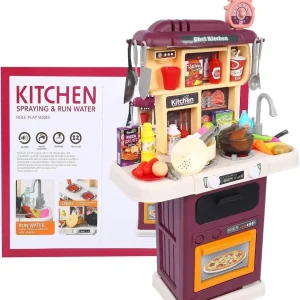
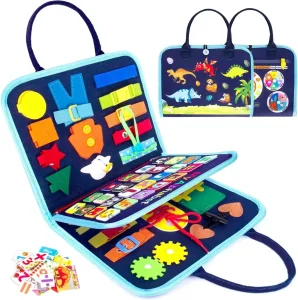
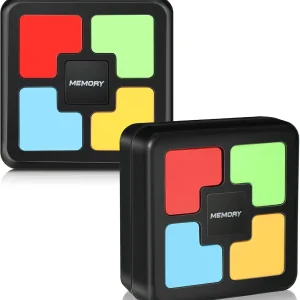
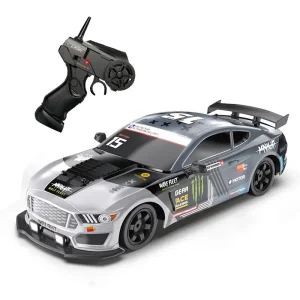
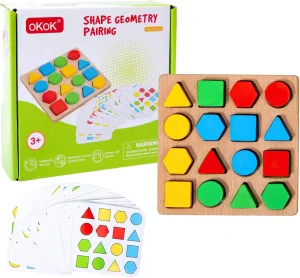
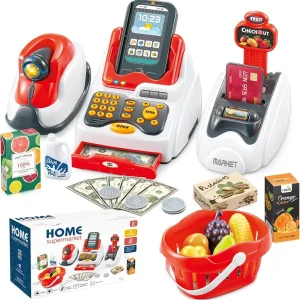
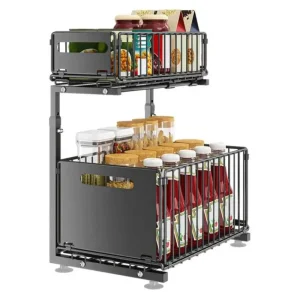
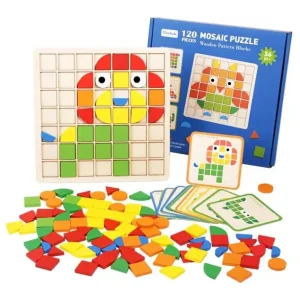
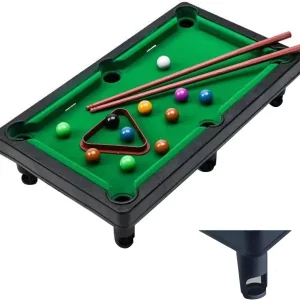
Explore our diversified product portfolio manufactured under stringent international quality guidelines, demonstrating our multi-category manufacturing footprint.
In the highly competitive global retail and hospitality markets, securing a reliable supply of cheap knife sets with steak knives requires a strategic balance between material cost, performance metrics, and manufacturing automation. Procurement directors must look beyond price points to understand how blade steels, hardening processes, and regional supply chain integrations directly impact target margins.
Understanding steel taxonomy is crucial for value engineering. The standard budget cutlery utilizes 3Cr13 stainless steel, offering an excellent balance of corrosion resistance, easy field sharpening, and high impact toughness. For mid-range specifications, 5Cr15MoV adds small concentrations of molybdenum and vanadium, increasing blade hardness to 54-56 HRC and significantly extending edge retention without escalating manufacturing costs.
To achieve high-efficiency cost reductions, stamped blade construction is the optimal choice. Precision blanking machines cut blades rapidly from cold-rolled steel coils. Advanced stamped manufacturing mimics forged performance by incorporating full-tang profiles, double-bolster designs, and taper grinding, providing B2B buyers with premium aesthetics at mass-production pricing.
Modern consumers demand ergonomic comfort and sustainable practices. Manufacturers utilize injection-molded PP (Polypropylene) or ABS with soft-touch TPR overlays for budget-friendly sets. For sustainable ranges, wheat straw composites, wood fiber resins, and FSC-certified Pakkawood provide an upscale look while meeting environmental compliance regulations.
China remains the undisputed global epicenter for kitchen cutlery manufacturing. Industrial clusters located in regional powerhouses like Yangjiang (accounting for over 70% of China's total knife production) offer unmatched supply chain consolidation. Every step of production, from raw steel rolling and thermal treatment to automatic polishing, handle injection molding, and packaging design, is integrated within tight geographical hubs.
This geographic concentration yields significant logistical benefits. By reducing cross-province raw material transit, factories drastically lower production overhead. Furthermore, Chinese factories utilize highly advanced automated CNC grinding machines and robotic laser-inspection systems. These technologies minimize human error, optimize edge geometry, and maintain high production yields, ultimately lowering unit costs for overseas buyers.

Remaining ahead of market demand requires understanding how global design preferences and retail purchase behaviors are evolving. Today's consumer expects professional performance and design sophistication even from entry-level products.
Urban living spaces continue to shrink, causing a shift from traditional, bulky wooden knife blocks to slim profile designs, magnetic strips, and double-sided acrylic blocks. Inexpensive knife sets must adapt, pairing with lightweight, vertical plastic or bamboo blocks that occupy minimal counter footprint while optimizing shipping volume for e-commerce fulfilment.
Blade coatings have shifted from niche aesthetic choices to mainstream retail standards. Food-safe coatings like PTFE, organic silicone non-stick paint, and physical vapor deposition (PVD) titanium coatings protect the underlying stainless steel from corrosive acids in food, facilitate cleaning, and prevent food slices from sticking to the blade during rapid prepping.
Modern consumers prefer clean cuts that don't tear meat fibers. Manufacturers are developing hybrid edge patterns: micro-serrations on the front half of the steak knife blade for piercing tough outer crusts, coupled with a razor-sharp straight edge on the rear half for seamless slicing. This configuration prolongs sharpness on hard dinner plates.
Importers and brand owners seek unique identification markers. Advanced Chinese factories provide high-resolution laser logo etching, customized handle rivets, bespoke box packaging with sustainable Kraft paper, and color-matched block coatings to align cheap knife sets with the brand identity of major global housewares retailers.
A knife set is not a one-size-fits-all product. Different geographic regions and channels require tailoring the blade composition, handle geometry, and overall configuration.
In North America, steak knives are a focal point of family dining and outdoor cookouts. Heavy-handled, thick-bladed steak knives with highly pronounced serrated edges are favored. The primary knife sets must feature a dedicated chef's knife, utility knife, and at least 6 to 8 steak knives, matching the demands of large family gatherings and home-centered social events.
European markets prioritize slim profiles, lighter weight, and absolute edge precision. Consumers prefer straight, fine-edge steak knives over heavily serrated ones, demanding clean cuts for premium meats. Standard compliance for contact with food (LFGB) is extremely strict, demanding certified stainless steel formulations with zero toxin migration.
The B2B institutional segment (short-term rentals, extended-stay hotels, student housing) demands highly durable, dishwasher-safe knife sets. Monobloc stainless steel constructions or solid molded handles without gaps are essential to prevent bacterial accumulation and endure high-temperature sanitizing cycles in industrial dishwashers.
Global sourcing involves navigating complex regulatory environments. For kitchenware, ensuring strict food-contact safety compliance is paramount. Importing cutlery into the United States requires adherence to FDA guidelines, whereas European markets mandate compliance with Directive 84/500/EEC and German LFGB testing, focusing on heavy metal limits (lead, cadmium, cobalt, chromium) and plasticizer migration in synthetic handles.
Beyond material safety, B2B buyers must implement robust quality assurance protocols. Standard shipping procedures must include pre-shipment inspections (AQL 2.5/4.0), edge retention testing using CATRA (Cutlery and Allied Trades Research Association) parameters, and rust resistance testing in salt-spray chambers. Properly packaging the product is also essential; bulk retail sets require molded clamshells, protective tip guards, and reinforced outer cartons to prevent edge wear during ocean transit.
Our Evolution from a Specialized Trading Firm to a Multi-Category Procurement Partner
We started as a small toy export company with just two people, operating from an office of less than 20 square meters and struggling with limited cash flow. Yet, through keen market insights, distinctive business strategies, and patient communication with our clients, we gradually earned recognition and trust. We understood early on that clients are not only looking for products, but also for partners who can truly solve problems and create value. With every collaboration, we strived to provide practical solutions and dedicated service, winning customer appreciation while accumulating valuable experience and building stronger relationships.
Over time, as our reputation grew and our expertise deepened, Ducky evolved from a small trading company into a full-category procurement service provider for global B2B clients. Today, we possess extensive industry experience and a wide supply chain network, enabling us to offer comprehensive procurement services covering toys, household goods, and a wide range of other products.
We remain committed to our founding principle: to listen attentively to client needs and deliver efficient, professional, and flexible procurement solutions. In today’s increasingly competitive global market, we are more than just a supplier—we are a trusted long-term partner to our clients.
Our strategic office location in Chenghai, Shantou—a dynamic hub of the toy and gift industry producing approximately 80% of the world's toys—enables us to maintain close relationships with local manufacturers. Over years of development, we have extended this sourcing capability to include household appliances, daily kitchen essentials, and bulk cutlery products across Guangdong province.
By combining strict quality control, seasoned logistics professionals, and integrated multi-category shipment consolidation, we provide overseas buyers with stress-free import processes from the factory floor directly to their distribution centers.
Get authoritative answers on materials, factory capability, customization logistics, and quality assurance processes from our engineering and export team.
Explore our diversified product range, from household items to educational games, representing our reliable sourcing services.
 Ducky Sourcing