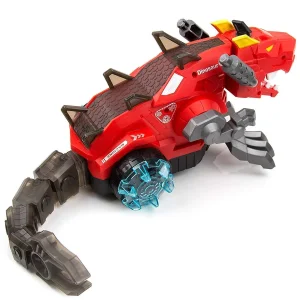
OEM Dragon Robotic Toy Walking Dinosaur Fire Breathing Light Sound Kids Manufacturers, Factory
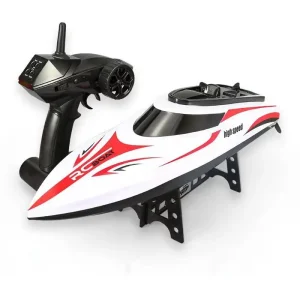
OEM RC Boat Remote Control Boats 25kmh 24G Fast Racing Toy Manufacturers, Suppliers
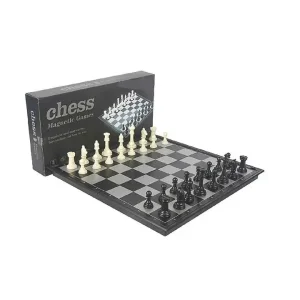
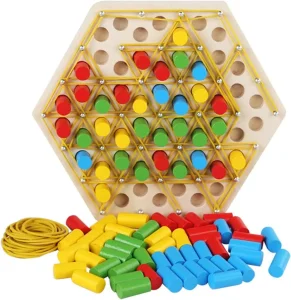
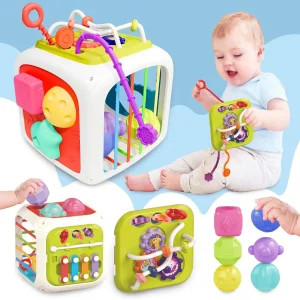
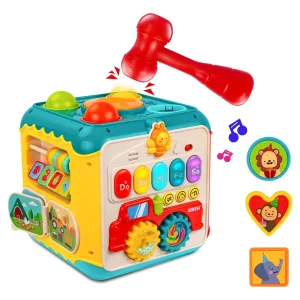
Cheap Activity Cube Montessori Toy Sensory Busy Cube for Toddlers Manufacturer, Factories
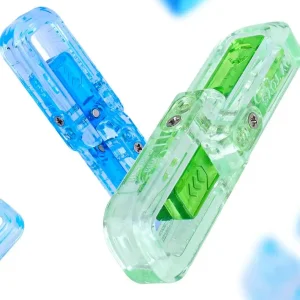
Cheap New Plastic Fidget Toys Stress Relief Sensory Hand Play Manufacturers, Suppliers
Technical Insights into Modern High-Efficiency Knife Manufacturing
For B2B procurement managers, sourcing cheap good cutting knives is often a trade-off. The word "cheap" is commonly associated with soft steel, poor edge retention, and handles that snap under pressure. However, modern steel science and automated factory technologies have redefined production costs. Today, manufacturers leverage high-performance alloys processed through computer-controlled environments to deliver institutional-grade cutting tools at highly competitive wholesale rates.
To evaluate a knife's performance, professional buyers must understand the balance between steel composition, heat treatment, and edge geometry. Hardness, measured on the Rockwell C Scale (HRC), determines how long an edge remains functional. A standard high-volume utility or chef's knife should hover between HRC 54 and HRC 58. Below this range, the knife dulls too quickly; above it, the steel becomes brittle and difficult to sharpen in commercial environments.
| Steel Grade | Carbon % | HRC Range | Key Attributes & Suitability |
|---|---|---|---|
| 3Cr13 / 420J2 | 0.3% | 52-54 | Highly corrosion-resistant, ductile, very low production cost. |
| 5Cr15MoV | 0.5% | 55-57 | Optimal balance of toughness and edge retention for budget chef knives. |
| 8Cr14MoV | 0.8% | 57-59 | Higher wear resistance, suitable for premium entry-level cutlery. |
| X50CrMoV15 | 0.5% | 56-58 | German industry standard; excellent stain resistance and reliability. |
Why Industrial Agglomeration Drives Down Sourcing Costs
China's manufacturing clusters leverage decades of specialization, robust local supply chains, and highly automated production processes to optimize costs at every stage.
By stamping knife blanks from cold-rolled steel coils using high-tonnage precision hydraulic presses, material waste is reduced to under 8%. This process drastically decreases per-unit cost compared to traditional manual hot forging.
Modern factories utilize continuous-mesh belt furnaces with nitrogen protection atmospheres. This ensures uniform hardness across millions of pieces, guaranteeing reliable cutting performance without increasing labor costs.
Multi-axis CNC wet-grinding machines polish and sharpen the cutting edges to precise angles (typically 15-18 degrees per side) in seconds, matching the quality of hand-finished blades at a fraction of the cost.
Operational Excellence & Global Distribution Capabilities
Enterprise buyers must clarify their target consumer demographic. While high-end culinary outlets request full-tang forged knives, high-volume foodservice operations, supermarket retail chains, and promotional kits prioritize stamped blades with ergonomic polymer handles (polypropylene or TPE). These stamped options provide outstanding cost efficiency, lightweight handling to reduce fatigue, and easy sanitation compliance.
We started as a small toy export company with just two person, operating from an office of less than 20 square meters and struggling with limited cash flow. Yet, through keen market insights, distinctive business strategies, and patient communication with our clients, we gradually earned recognition and trust. We understood early on that clients are not only looking for products, but also for partners who can truly solve problems and create value. With every collaboration, we strived to provide practical solutions and dedicated service, winning customer appreciation while accumulating valuable experience and building stronger relationships.
Over time, as our reputation grew and our expertise deepened, Ducky evolved from a small trading company into a full-category procurement service provider for global B2B clients. Today, we possess extensive industry experience and a wide supply chain network, enabling us to offer comprehensive procurement services covering toys, household goods, and a wide range of other products. We remain committed to our founding principle: to listen attentively to client needs and deliver efficient, professional, and flexible procurement solutions. In today’s increasingly competitive global market, we are more than just a supplier—we are a trusted long-term partner to our clients.

We are committed to offering our clients the highest-quality products and services at competitive prices. We strive to become a leader in the industry, delivering excellence to our customers.
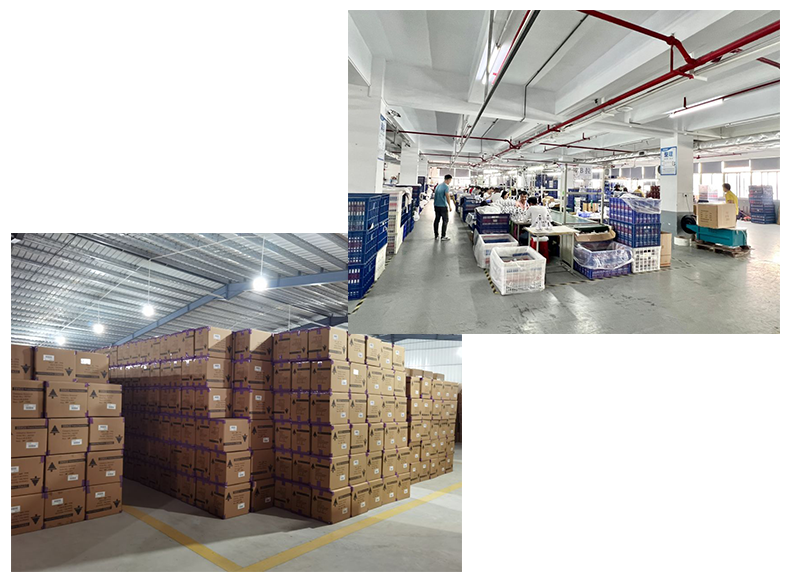
We have an office in Chenghai, Shantou—a dynamic hub of the toy and gift industry. Chenghai produces approximately 80% of the world’s toys. We collaborate closely with local manufacturers to create products that meet international safety standards, ensuring every product is both safe and creative.
Throughout production, we pay attention to every detail, maintaining strict quality control so that each product provides satisfaction and value to our customers.
We also have a professional logistics team to ensure that every product is delivered safely and efficiently. From procurement to transportation, we oversee every step of the process, working with reliable logistics companies to guarantee on-time delivery and uncompromised quality.
Mitigating Import Risk for Global Commercial Markets
All steel components and handle plastics undergo chemical leaching tests to ensure compliance with FDA (US) and LFGB (EU) food contact safety regulations, preventing heavy metal migration.
Products undergo corrosion chamber testing to simulate cycles of commercial dishwashers, verifying that handles do not separate and steel does not pit or rust prematurely.
Manufacturing lines are monitored under strict quality management systems, tracing raw material heats and verifying consistency from batch to batch.
Full support for direct-to-retail barcode systems, localized warning labels, custom blister cards, and master carton drop tests matching international carrier requirements.
Where Performance and Price Meet Real-World Demands
In large-scale production kitchens and cruise line food prep stations, knives are subjected to relentless daily usage and harsh sanitation regimes. In these environments, chefs require lightweight, corrosion-resistant stamped utility blades that reduce user fatigue. Sourcing high-grade 5Cr15MoV stamped knives provides an optimal solution—offering high sharpness retention alongside rapid re-sharpening profiles, while keeping capital investment low.
Online sellers on platforms like Amazon and Shopify require high-margin, visually appealing kitchenware sets that generate positive reviews. Modern automated Chinese factories produce customized knife blocks, colored non-stick coatings, and ergonomic composite wood (Pakkawood) handles. This enables private label retailers to sell aesthetic, consumer-favored products at competitive retail price points, yielding excellent profit margins.
For beverage companies, food manufacturers, and superstore chains launching regional customer loyalty or gift-with-purchase campaigns, budget controls are exceptionally strict. Sourcing customized utility knives or basic 3-piece sets directly from bulk manufacturers allows for high-perceived-value giveaways at incredibly low unit prices, boosting brand exposure and engagement.
Answers to Vital Procurement Questions
By deploying advanced production automation. Stamped blades, laser cutting, automated continuous heat treatment, and CNC double-sided bevel grinding dramatically cut labor costs while improving precision and consistency across high-volume production runs.
For commercial kitchens and standard retail, 5Cr15MoV or German X50CrMoV15 are optimal choices. They offer strong stain resistance, easy maintenance, and moderate edge retention at a reasonable cost. For budget-sensitive promotional items, 3Cr13 is commonly used.
Yes. Quality manufacturers enforce compliance with FDA, LFGB, and REACH standards, ensuring chemical safety and heavy-metal migration compliance for all food contact materials.
Absolutely. We offer OEM/ODM services including laser logo etching, customized handles (PP, ABS, Pakkawood, G10), and retail packaging design tailored to your specific market needs.
For standard catalog blades, the MOQ usually starts at 1,000 to 2,000 pieces per SKU. For fully customized blade shapes or handle molds, the initial MOQ typically starts at 3,000 to 5,000 pieces to cover tooling setup costs.
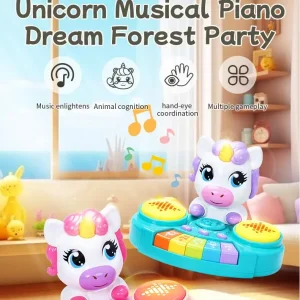
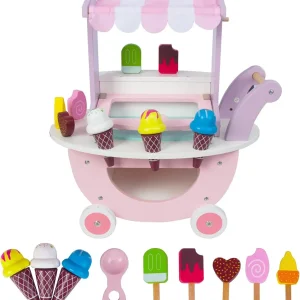
OEM Ice Cream Cart Toy Pretend Play Shopping Pushcart for Kids Girls Manufacturers, Supplier
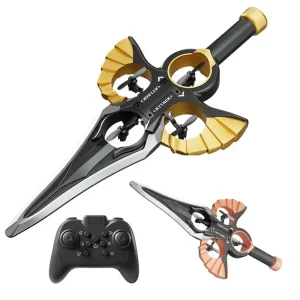
OEM Flying Sword RC Drone Glider 3 Speed Remote Control Airplane Toy Manufacturer, Suppliers
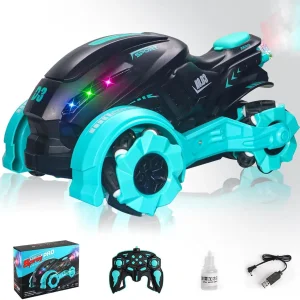
Cheap RC Cars Remote Control Motorcycle Stunt Drift Truck Toy for Kids Manufacturer, Manufacturers
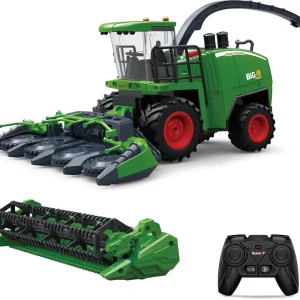
OEM Remote Control Harvester Tractor RC Farm Vehicle Toy for Kids Suppliers, Factory

Cheap F35 RC Airplane 2.4G 4CH EPP Foam Fighter Model Plane Manufacturer, Supplier
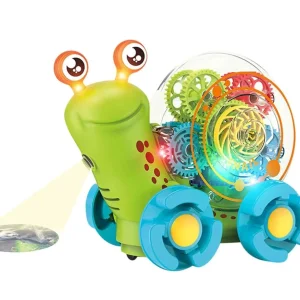
Cheap Pull String Snail Car Baby Sensory Toy Music Light Projection Supplier, Factory
 Ducky Sourcing