Discover our diverse range of competitive export-grade models, toys, and educational apparatus direct from Shantou Chenghai
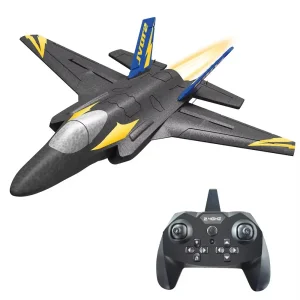
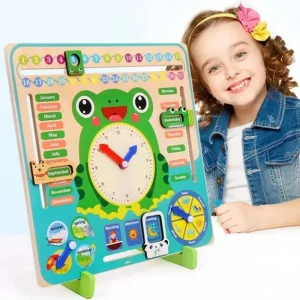
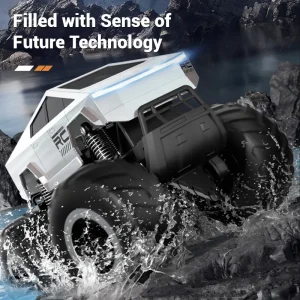

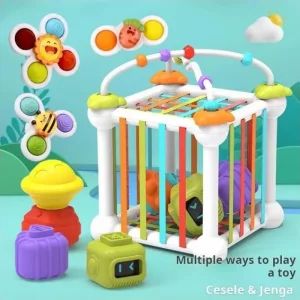
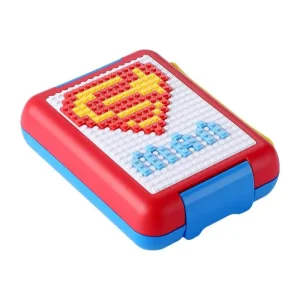
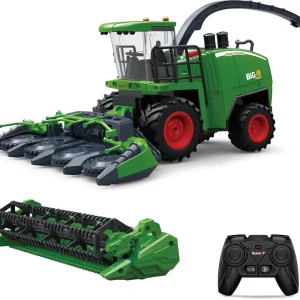

We started as a small toy export company with just two people, operating from an office of less than 20 square meters and struggling with limited cash flow. Yet, through keen market insights, distinctive business strategies, and patient communication with our clients, we gradually earned recognition and trust. We understood early on that clients are not only looking for products, but also for partners who can truly solve problems and create value. With every collaboration, we strived to provide practical solutions and dedicated service, winning customer appreciation while accumulating valuable experience and building stronger relationships.
Over time, as our reputation grew and our expertise deepened, Ducky evolved from a small trading company into a full-category procurement service provider for global B2B clients. Today, we possess extensive industry experience and a wide supply chain network, enabling us to offer comprehensive procurement services covering toys, household goods, and a wide range of other products. We remain committed to our founding principle: to listen attentively to client needs and deliver efficient, professional, and flexible procurement solutions. In today’s increasingly competitive global market, we are more than just a supplier—we are a trusted long-term partner to our clients.

Bridging local Chinese manufacturing expertise with global distribution standards
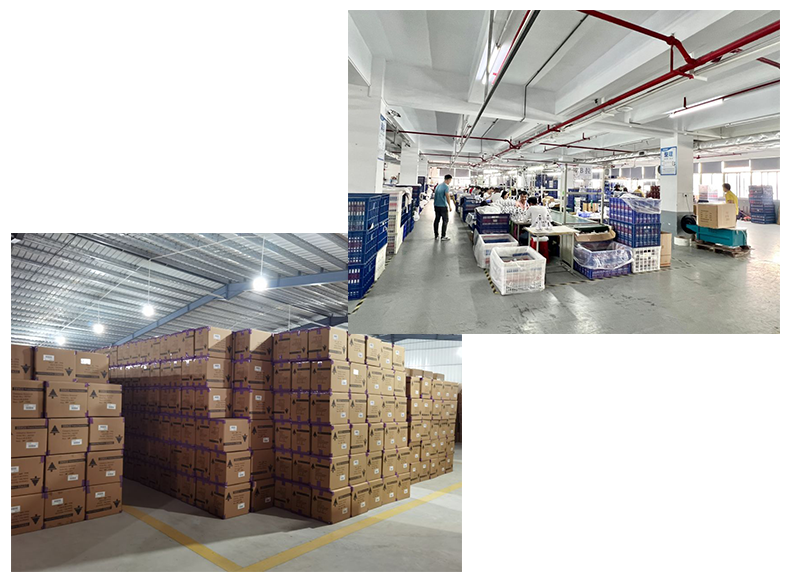
We have an office in Chenghai, Shantou—a dynamic hub of the toy and gift industry. Chenghai produces approximately 80% of the world’s toys. We collaborate closely with local manufacturers to create products that meet international safety standards.
We are committed to offering our clients the highest-quality products at competitive prices, delivering excellence from initial order down to final customs clearing and domestic transport.
Our dedicated shipping division coordinates with top-tier logistics firms to manage freight routing, ensuring optimal transport cost ratios, on-time arrivals, and zero-compromise security.
An In-Depth Engineering & Supply Chain Guide for Distributors, Retailers, and Importers
Executive Summary: The global market for high-performance internal combustion (IC) remote control vehicles has shifted. While electric Brushless models command the casual toy segment, gasoline-powered RC cars (typically 1/5 and 1/8 scales) remain the gold standard for enthusiasts, industrial testing simulators, and regional racing league operators due to their mechanical authenticity, extended run times, and high torque profiles. This document outlines how global B2B buyers can strategically source cost-efficient ("cheap" yet high-specification) gasoline remote control cars directly from China's manufacturing clusters.
Sourcing gasoline remote control cars at scale requires understanding the intersection of precision machining, structural metallurgy, and internal combustion dynamics. For regional distributors, importing direct from factory settings yields a major competitive edge. The price efficiency (commonly categorized as "cheap" due to manufacturing hub proximity and massive vertical integration in Guangdong Province) does not signify inferior performance. Instead, it represents the optimization of component assembly, plastic injection molding amortization, and direct proximity to engine foundries.
Modern factories optimize the cost structure by utilizing centralized supply chains. For example, by housing the chassis stamping, differential gear cutting, and body shell molding within the same industrial zone, manufacturers can achieve up to 30% reduction in unit assembly cost compared to fragmented western assembly hubs. This enables global B2B buyers to acquire hobby-grade gas RC trucks with 2-stroke 26cc to 36cc engines at bulk pricing structures that allow for generous retail markups.
A true hobby-grade gasoline RC vehicle is built around a two-stroke petrol engine that burns a mixture of standard octane unleaded gasoline and two-stroke engine oil (typically at a 25:1 or 30:1 ratio). This sets it apart from "Nitro" RC cars, which require expensive specialized methanol-based nitromethane fuel. For commercial distribution, petrol-powered models are far easier for the end consumer to operate and maintain, as standard fuel is readily available at local gas stations.
Currently, the market demand for internal combustion models is bifurcated. Western markets (specifically North America and Western Europe) exhibit high demand for premium 1/5 scale short-course trucks and dune buggies. Emerging markets in Latin America and the Middle East show rapid growth in the leisure and competitive racing sectors. However, regulatory frameworks vary across territories. Factories that secure EPA (Environmental Protection Agency) certifications for small engines or CARB (California Air Resources Board) compliance hold a distinct competitive edge when exporting to North American jurisdictions.
For European distribution networks, conformity to CE directives, RoHS (Restriction of Hazardous Substances), and Toy Safety Directive standards (such as EN71) is vital. Collaborating with an experienced partner like Ducky allows B2B buyers to bridge the gap between regional factory output and international market entry. We meticulously cross-examine factory safety test reports, ensure engines are shipped dry to meet safety transport regulations, and assist in configuring custom user manuals and packaging to avoid customs seizures.
Entering local distribution markets requires more than just picking a product from a catalog. Successful importers work with factories to configure localized packages. This includes custom translation of engine tuning and carburetor adjustment guides (crucial for keeping engines from running lean and seizing), localized toolkits, and parts replacement programs. High-wear components such as pull-starters, spark plugs (e.g., NGK CMR7H equivalents), centrifugal clutches, and foam air filters should be bulk-ordered alongside the primary vehicles to establish a robust local aftermarket supply chain.
Furthermore, shipping lithium-ion receiver batteries, oil-filled shocks, and dry-combustion engines together in single retail boxes requires strict compliance with international dangerous goods shipping regulations (UN3481/UN38.3 protocols). Our specialized logistics teams handle the necessary safety documentation to streamline clearance at key ports like Rotterdam, Los Angeles, and Felixstowe.
The next phase of gasoline RC model production involves hybrid technologies and digital integration. Forward-looking factories are introducing onboard telemetry modules that transmit real-time cylinder temperature, engine RPM, and remaining fuel levels directly to the operator's smartphone or transmitter screen. Additionally, there is a clear trend toward modular chassis designs, allowing end-users to quickly swap internal combustion mounts for high-voltage brushless electric drivetrains on the same base platform, giving buyers two vehicles in one SKU.
Environmental adaptations are also on the horizon. Engineers are developing low-emission carburetors and exhaust silencers to minimize noise levels, opening up gas RC usage to residential parks and municipal recreation grounds that previously prohibited high-decibel model operations.
Addressing technical, logistical, and commercial inquiries from global B2B procurement managers
Explore more of our highly competitive wholesale items, from sensory toys to advanced drones


 Ducky Sourcing