


The global canine health sector is undergoing a profound transformation. Increased pet ownership, combined with a rising awareness of zoonotic diseases (illnesses transmissible from animals to humans), has escalated the demand for high-efficacy, broad-spectrum veterinary pharmaceuticals. Among these, canine deworming medications represent a fundamental component of preventative veterinary medicine.
For international distributors, brands, and large-scale veterinary clinics, navigating the supply chain of these essential pharmaceuticals requires a delicate balance. Sourcing cost-effective (cheap) deworming agents cannot come at the expense of strict therapeutic efficacy, chemical stability, or GMP (Good Manufacturing Practice) compliance. This white paper analyzes the clinical formulations, technical roadmaps, manufacturing parameters, and supply chain strategies that allow leading Chinese veterinary pharmaceutical manufacturers to deliver reliable, budget-friendly deworming solutions to the global B2B market.
To source effectively, purchasing managers must understand the chemical mechanisms behind veterinary anthelmintics. Canine dewormers target different parasitic classifications, including nematodes (roundworms, hookworms, whipworms) and cestodes (tapeworms). The most cost-efficient, high-volume products utilize synergized combinations of the following Active Pharmaceutical Ingredients (APIs):
| Active Ingredient (API) | Target Parasites | Mechanism of Action | Sourcing Cost Profile |
|---|---|---|---|
| Pyrantel Pamoate | Hookworms, Roundworms | Depolarizing neuromuscular blocking agent causing spastic paralysis. | Highly cost-effective; stable synthesis. |
| Praziquantel | Tapeworms (Dipylidium, Taenia) | Increases cell membrane permeability to calcium, leading to disintegration. | Medium cost; critical for complete broad-spectrum claims. |
| Fenbendazole | Roundworms, Hookworms, Whipworms, Giardia | Disrupts microtubule structure by binding to tubulin, blocking glucose uptake. | Extremely safe, broad window of efficacy. |
| Ivermectin | Heartworm prevention (Microfilariae), Sarcoptic Mange | Binds glutamate-gated chloride channels, causing flaccid paralysis. | Very cheap at therapeutic dosages; requires precise concentration control. |
The most demanded global product is the Triple-Active Tablet (typically combining Praziquantel, Pyrantel Pamoate, and Fenbendazole or Oxantel). Sourcing these pre-formulated combinations reduces inventory complexity and administrative import overheads. High-quality manufacturers optimize the ratio of these APIs to provide "one-dose" broad-spectrum safety without triggering hepatic overload or digestive irritation in dogs.
Cheap deworming medications do not have to be low-quality. Modern veterinary medicine demands innovation in product delivery to ensure pet compliance and therapeutic success.
Dogs are naturally averse to bitter chemical tablets. Premium manufacturers integrate micro-encapsulation techniques to coat the active ingredients, shielding the taste buds from bitter APIs like Praziquantel. These are combined with real beef, liver, or hydrolyzed yeast flavor matrices to create highly palatable chewable tablets that dogs accept voluntarily.
For puppies and small breeds, oral liquid suspensions are preferred. The technical challenge is keeping the insoluble APIs (such as Pyrantel Pamoate) uniformly suspended throughout the shelf-life. Advanced factories utilize high-shear homogenization and pharmaceutical-grade suspending agents to guarantee uniform dosing per milliliter.
By optimizing particle size (micronization of Fenbendazole and Praziquantel APIs), Chinese chemical factories improve the rate of dissolution in the canine gastrointestinal tract. This ensures maximum systemic absorption at lower raw-material dosages, yielding significant cost savings that are passed down to B2B buyers.
The commercial deployment of canine dewormers differs vastly across global territories. Understanding these localized application scenarios helps B2B buyers choose the correct product designs, packaging, and certifications.
In highly regulated markets, consumer expectation shifts toward premium OTC (Over-the-Counter) chewables. The products must look like treats, come in child-resistant blister packaging, and feature clear dosing matrices based on weight classes (e.g., Small Dogs 2-25 lbs, Medium 26-60 lbs, Large 60+ lbs). Compliance with FDA-ANADA or EMA requirements is paramount.
For NGO tenders, municipal animal rescue programs, and agricultural supply stores, cost-per-dose is the primary metric. The demand here focuses on high-concentration bulk packages, such as 50-tablet or 100-tablet bottles, or bulk liquid oral suspensions. The main objective is rapid, economical distribution to control hookworms and roundworms in high-density environments.
With the explosion of the pet economy in Asian metropolitan centers, there is high demand for precise micro-dose tablets for toy breeds (e.g., Pomeranians, Toy Poodles). These require extremely precise manufacturing lines to ensure the homogeny of micro-doses (e.g., Ivermectin at microgram levels) to avoid breed-specific toxicities.
Behind every successful B2B product distribution lies a resilient, highly optimized supply chain. At Ducky Group, we have built our reputation on bridging the gap between global demand and high-efficiency manufacturing systems. Sourcing veterinary supplies and lifestyle goods requires the same core execution: absolute quality control, reliable timelines, and transparent communication.
We started as a small toy export company with just two people, operating from an office of less than 20 square meters and struggling with limited cash flow. Yet, through keen market insights, distinctive business strategies, and patient communication with our clients, we gradually earned recognition and trust. We understood early on that clients are not only looking for products, but also for partners who can truly solve problems and create value. With every collaboration, we strived to provide practical solutions and dedicated service, winning customer appreciation while accumulating valuable experience and building stronger relationships.
Over time, as our reputation grew and our expertise deepened, Ducky evolved from a small trading company into a full-category procurement service provider for global B2B clients. Today, we possess extensive industry experience and a wide supply chain network, enabling us to offer comprehensive procurement services covering pet care products, toys, household goods, and a wide range of other items. We remain committed to our founding principle: to listen attentively to client needs and deliver efficient, professional, and flexible procurement solutions. In today’s increasingly competitive global market, we are more than just a supplier—we are a trusted long-term partner to our clients.

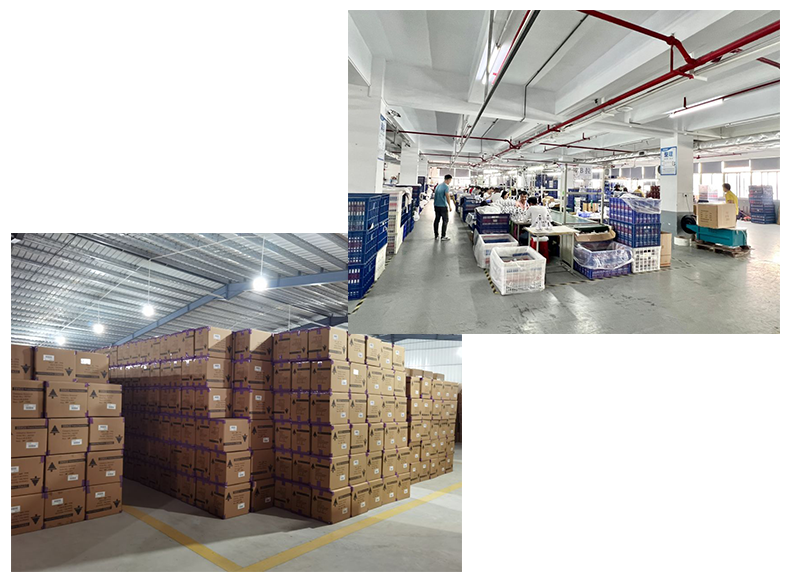
We are committed to offering our clients the highest-quality products and services at competitive prices. We strive to become a leader in the industry, delivering excellence to our customers.
We have an office in Chenghai, Shantou—a dynamic hub of the toy and gift industry. Chenghai produces approximately 80% of the world’s toys. We collaborate closely with local manufacturers to create products that meet international safety standards, ensuring every product is both safe and creative.
Throughout production, we pay attention to every detail, maintaining strict quality control so that each batch of products provides satisfaction and value to our customers.
We also have a professional logistics team to ensure that every product is delivered safely and efficiently. From procurement to transportation, we oversee every step of the process, working with reliable logistics companies to guarantee on-time delivery and uncompromised quality.
Why do leading pharmaceutical buyers choose Chinese manufacturing hubs for anthelmintics? The answer lies in the total cost-efficiency ecosystem:
Exporting veterinary drugs internationally requires meeting rigorous quality assurance milestones. Professional manufacturers provide a comprehensive document pack for custom clearance and local distribution approval:
Issued for every single manufacturing lot, stating the precise purity of active ingredients, dissolution rates, and microbiological safety levels.
Certifies that the manufacturing facility operates under the rigorous quality management standards defined by the World Health Organization.
Accelerated and long-term stability test logs verifying the shelf-life (typically 24 to 36 months) under various climatic zones (Zone I to IV).




 Ducky Sourcing