Explore our diverse product categories manufactured with precision under global standards
Analyzing materials, degradability vectors, and global supply chain cost containment strategies.
The global waste management sector is undergoing a profound paradigm shift. Conventional low-density polyethylene (LDPE) and high-density polyethylene (HDPE) plastics, which persist in the environment for centuries, are rapidly being replaced by bio-based and synthetic biodegradable polymers. For commercial enterprises, procurement agents, and municipal organizations, identifying a cheap degradable garbage bags manufacturer is no longer simply about finding the lowest unit price. It requires a sophisticated understanding of polymer science, certification compliance, shelf-life stability, and manufacturing scale.
Historically, "cheap" in plastic manufacturing meant sacrificing mechanical properties or environmental integrity—often leading to OXO-degradable products that merely fragmented into harmful microplastics. Today, utilizing Chinese Factory 4.0 automation, modern manufacturers can formulate cost-effective compostable alternatives utilizing PBAT (Polybutylene adipate-co-terephthalate), PLA (Polylactic Acid), and TPS (Thermoplastic Starch). These advanced blends provide structural durability matching virgin LDPE while guaranteeing full biological integration in industrial compost systems within 180 days.

Decoupling the material configurations behind cost-efficient, high-performance degradable liners.
Pure PLA is highly brittle and possesses poor tear resistance, making it unsuitable for heavy-duty trash liners. By compounding PLA with aliphatic-aromatic copolyesters like PBAT, we optimize the balance between tensile strength and elongation at break. This formulation delivers the elasticity required for industrial loads while maintaining a competitive cost basis.
To deliver a genuinely "cheap" degradable garbage bag, manufacturers integrate up to 40-50% modified Thermoplastic Starch. TPS significantly lowers raw material costs while serving as a high-density filler. Through custom plasticization, we preserve the moisture-barrier characteristics necessary to prevent leakage from organic municipal waste.
Looking ahead, Polyhydroxyalkanoates (PHA) represent the next evolution in packaging materials. Synthesized via bacterial fermentation, PHA breaks down in ambient soil and marine conditions without industrial composting infrastructure. As production scaling progresses over the next decade, PHA will redefine the baseline costs of bio-based resins.
| Material Formulation | Tensile Strength (MPa) | Elongation at Break (%) | Composting Window (Days) | Moisture Vapor Transmission | Primary B2B Application |
|---|---|---|---|---|---|
| Standard LDPE (Traditional) | 10 - 20 | 400 - 600 | Non-Degradable (500+ Years) | Very Low | Retail Packaging, Industrial Liners |
| PBAT + PLA (70/30 Blend) | 18 - 25 | 350 - 500 | 90 - 180 Days (Industrial) | Moderate | Commercial Waste, Food Scrap Bin Liners |
| TPS + PBAT (Starch Blend) | 12 - 16 | 250 - 400 | 60 - 120 Days (Industrial/Home) | High | Light Municipal Waste, Household Kitchen Bags |
| PHA (Next-Gen Bio-based) | 20 - 30 | 300 - 450 | 30 - 90 Days (Ambient/Marine) | Low | High-barrier packaging, Agricultural Mulch |
Why direct-from-factory partnerships in China yield structural cost reductions without quality compromises.
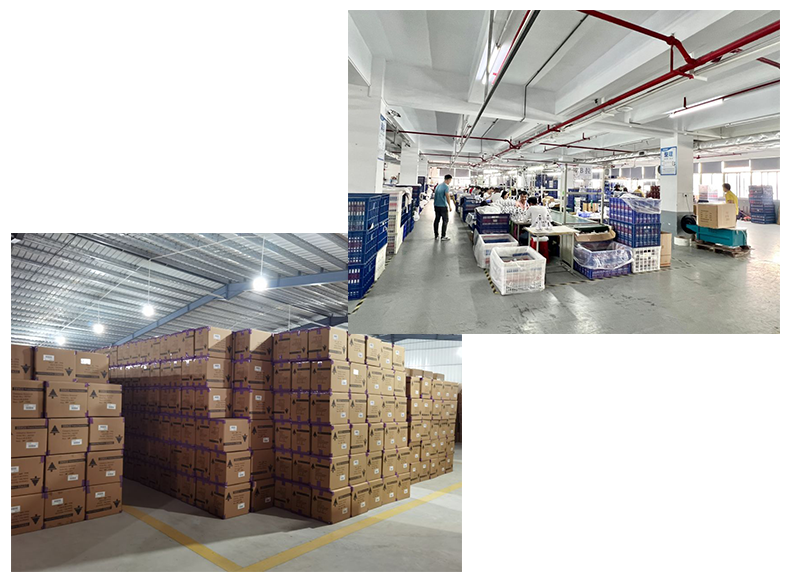
Navigating the procurement matrix for eco-friendly packaging demands a balance of high performance and low unit cost. China’s manufacturing corridors—specifically in specialized clusters like Guangdong, Shandong, and Zhejiang—leverage massive scale and integrated supply chains to produce cheap degradable garbage bags with superior properties. The structural advantages include:
By bypassing regional distributors and aligning directly with a specialized export manufacturer, commercial buyers can achieve savings of 20% to 35% on high-volume municipal, retail, or industrial packaging orders.
Ensuring your imported degradable bags meet environmental certifications and escape regulatory penalties.
For operations within the EU, compostable packaging must comply with the EN 13432 standard. This certification guarantees that the plastic converts to carbon dioxide, water, and biomass within 12 weeks, with no toxic residue affecting plant growth. Look for the "OK Compost" and "Seedling" logos from certifying bodies like TÜV Austria.
In the United States and Canada, bio-plastics must meet ASTM D6400 testing criteria in an industrial composting facility. The Biodegradable Products Institute (BPI) validates testing data. Non-certified products face heavy regulatory fines and customs seizures under modern greenwashing prevention laws.
Australia and New Zealand enforce rigorous standards for both industrial composting (AS 4736) and home composting (AS 5810). Home compostable liners must degrade at lower soil temperatures (ambient 20–30°C) compared to municipal systems, requiring customized polymer formulations.
How our history of scaling, local network, and commitment to transparency powers global B2B procurement.
We started as a small toy export company with just two persons, operating from an office of less than 20 square meters and struggling with limited cash flow. Yet, through keen market insights, distinctive business strategies, and patient communication with our clients, we gradually earned recognition and trust. We understood early on that clients are not only looking for products, but also for partners who can truly solve problems and create value. With every collaboration, we strived to provide practical solutions and dedicated service, winning customer appreciation while accumulating valuable experience and building stronger relationships.
Over time, as our reputation grew and our expertise deepened, Ducky evolved from a small trading company into a full-category procurement service provider for global B2B clients. Today, we possess extensive industry experience and a wide supply chain network, enabling us to offer comprehensive procurement services covering toys, household goods (including eco-friendly bags and packaging), and a wide range of other products. We remain committed to our founding principle: to listen attentively to client needs and deliver efficient, professional, and flexible procurement solutions. In today’s increasingly competitive global market, we are more than just a supplier—we are a trusted long-term partner to our clients.
We are committed to offering our clients the highest-quality products and services at competitive prices. We strive to become a leader in the industry, delivering excellence to our customers.
We have an office in Chenghai, Shantou—a dynamic hub of the toy and gift industry. Chenghai produces approximately 80% of the world’s toys. We collaborate closely with local manufacturers to create products that meet international safety standards, ensuring every product is both safe and creative.
Throughout production, we pay attention to every detail, maintaining strict quality control so that each product provides satisfaction and value to our customers. This cross-industry manufacturing and logistics network gives us unique leverage. By utilizing high-volume consolidation points in Shantou and surrounding industrial ports, we optimize logistics routes, customs declarations, and material shipping costs.
We also have a professional logistics team to ensure that every product is delivered safely and efficiently. From procurement to transportation, we oversee every step of the process, working with reliable logistics companies to guarantee on-time delivery and uncompromised quality.
Our deep commitment to transparency and rigorous testing ensures you avoid sourcing delays and quality degradation.
Expert technical insights to optimize your commercial procurement decisions.
Unlike traditional polyolefin plastics, degradable bags are sensitive to heat, moisture, and UV light. Their typical shelf life is 10 to 18 months from the date of manufacture. To maintain tensile integrity and prevent premature biodegradation, store them in their original packaging in a cool, dry, well-ventilated warehouse, away from direct sunlight and temperatures exceeding 40°C.
Cost reduction is achieved through material compounding optimization and manufacturing scale. By introducing highly refined Thermoplastic Starch (TPS) into the PBAT matrix, we reduce dependencies on expensive pure resins. Advanced automated film-blowing lines reduce labor overhead, and high-speed co-extrusion allows thinner, high-performance films (down to 12 microns) that meet the load-bearing requirements of commercial trash liners while reducing material weight.
Yes, we offer fully customized OEM solutions. This includes film color matching via biodegradable masterbatches, custom printing utilizing water-based, eco-friendly inks (complying with EN 13432 toxicity standards), and custom dimensions (from small kitchen bin liners to large 240L wheelie bin liners) with star-sealed or flat-sealed bottoms for optimal leak prevention.
Degradable is a broad term indicating a material breaks down, sometimes only physically into microplastics (like Oxo-degradable bags). Biodegradable means microorganisms can break the material down into organic elements, but does not specify the time frame or environment. Compostable is the strictest standard; it requires the material to disintegrate within a specific timeframe under composting conditions, leaving no toxic residues.
High-quality manufacturing across toys, household, and custom novelties
 Ducky Sourcing