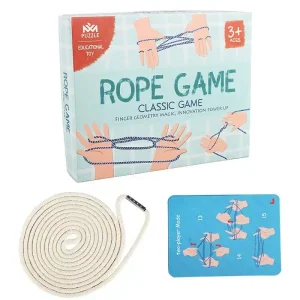
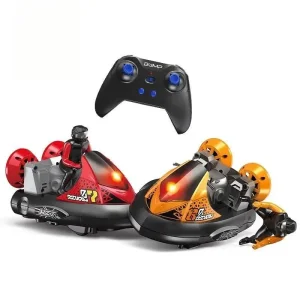
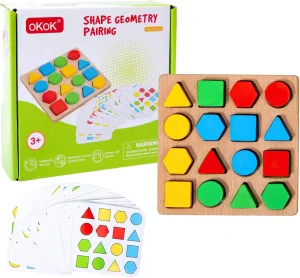
Discover our comprehensive selection of high-quality products sourced directly from premier manufacturing partners, ensuring verified standards and competitive factory pricing.

How B2B entities leverage technical-grade biodegradable compostable liners to meet government mandates, enhance green branding, and manage waste footprints cost-effectively.
For supermarket chains and large-scale retailers, transition to shelf-stable, ASTM D6400 certified biodegradable carry-out and bin liners is no longer optional. Our manufacturing protocols optimize structural integrity for heavy loads while keeping per-unit costs low, minimizing the packaging premium for consumer brands.
City-wide composting programs require consistent degradation kinetics in industrial composting facilities. We build specialized formulation ratios utilizing PLA (polylactic acid) and PBAT (polybutylene adipate terephthalate) to ensure clean breakdown within 90-180 days under high-heat aerobic processing environments.
Hospitality complexes generate massive volumes of organic food waste. Utilizing high-tensile strength biodegradable trash liners prevents leakage, controls odors via unique resin moisture barriers, and facilitates direct transport of waste to composting depots without manual de-bagging steps.
Why sourcing cheap biodegradable trash bags from automated Chinese factories maintains margins without compromising mechanical performance or regulatory compliance.
Achieving cost-competitiveness in biodegradable trash bag production requires extreme process optimization. Unlike traditional polyethylene (PE) bags, biodegradable resins (primarily PBAT, PLA, and thermoplastic starches) are sensitive to heat, shear stress, and moisture during extrusion. Chinese factories operating under the Factory 4.0 framework utilize intelligent automated closed-loop systems to stabilize extrusion dynamics.
Our collaborative factory networks in key industrial zones leverage localized material integration and vertical supply chain access to suppress costs:
Standard Chinese manufacturing centers operate at scale levels that permit a lowered marginal cost curve. By integrating advanced production scheduling software, factories minimize setup times during run changes for custom private-label sizes.
Furthermore, proximity to deep-water ports (Ningbo-Zhoushan, Shenzhen, Shanghai) lowers local logistics overhead, facilitating seamless FOB, CIF, or DDP delivery to global ports.
The technological trajectory of biopolymer development. Understanding how the next generation of resins will lower manufacturing costs and elevate physical properties.
| Technology Era | Primary Resin Matrix | Degradation Window | Physical Strengths | Cost Index vs. PE |
|---|---|---|---|---|
| Gen 1 (Current) | PBAT + PLA Blend (Starch Filled) | 90 - 180 Days (Industrial Composting) | High elasticity, balanced tensile profile | 1.5x - 1.8x Base Cost |
| Gen 2 (Emerging) | High-Starch Thermoplastics (TPS) + PBAT | 60 - 90 Days (Home Composting) | Superior dry-tear strength, low water barrier | 1.2x - 1.4x Base Cost |
| Gen 3 (Next-Gen) | PHA (Polyhydroxyalkanoates) + Marine Biodegradable Alloys | Under 60 Days (Soil/Marine/Landfill) | Industrial-grade puncture resistance, high temperature stability | 1.1x - 1.2x Base Cost (Projected) |
The core objective of research and development teams is to push biopolymer pricing closer to parity with petrochemical polymers. Current material science focus lies on thermoplastic starch modification (TPS). Unmodified starch is highly hydrophilic, which causes degradation under humid conditions. By compounding starch with hydro-phobic biodegradable copolyesters (PBAT) via reactive extrusion, manufacturers produce cheap, highly resilient resins suitable for kitchen food scrap collection.

We started as a small toy export company with just two person, operating from an office of less than 20 square meters and struggling with limited cash flow. Yet, through keen market insights, distinctive business strategies, and patient communication with our clients, we gradually earned recognition and trust. We understood early on that clients are not only looking for products, but also for partners who can truly solve problems and create value. With every collaboration, we strived to provide practical solutions and dedicated service, winning customer appreciation while accumulating valuable experience and building stronger relationships.
Over time, as our reputation grew and our expertise deepened, Ducky evolved from a small trading company into a full-category procurement service provider for global B2B clients. Today, we possess extensive industry experience and a wide supply chain network, enabling us to offer comprehensive procurement services covering toys, household goods (including eco-friendly packaging and biodegradable solutions), and a wide range of other products. We remain committed to our founding principle: to listen attentively to client needs and deliver efficient, professional, and flexible procurement solutions. In today’s increasingly competitive global market, we are more than just a supplier—we are a trusted long-term partner to our clients.
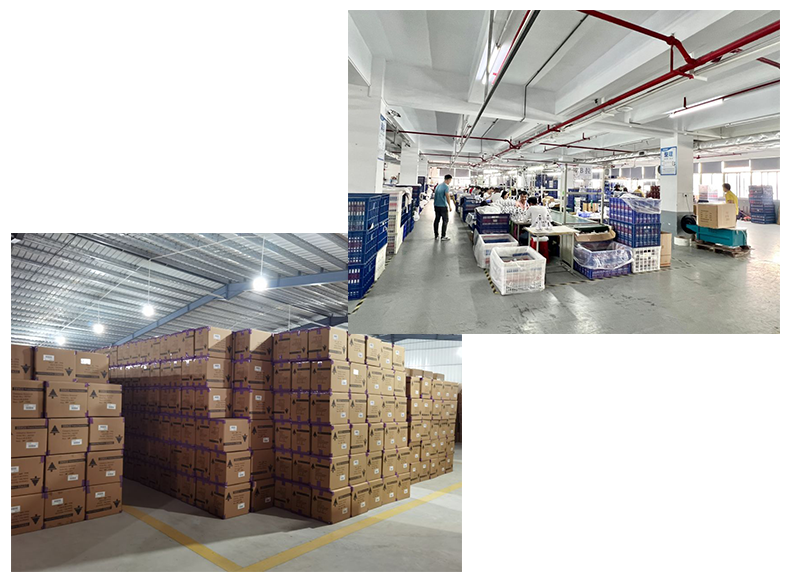
We have an office in Chenghai, Shantou—a dynamic hub of the toy and gift industry. Chenghai produces approximately 80% of the world’s toys. We collaborate closely with local manufacturers to create toys that meet international safety standards, ensuring every product is both safe and creative. Throughout production, we pay attention to every detail, maintaining strict quality control so that each toy provides satisfaction and value to our customers.
Expanding on this local-insight model, we have branched our quality control infrastructure to encompass major sustainable packaging factories across Zhejiang, Guangdong, and Shandong provinces. We also have a professional logistics team to ensure that every product is delivered safely and efficiently. From procurement to transportation, we oversee every step of the process, working with reliable logistics companies to guarantee on-time delivery and uncompromised quality.
Navigating import restrictions, anti-dumping regulations, and ecological certifications for global markets.
For US and Canadian buyers, all biodegradable garbage bags must comply with the ASTM D6400 standard. This specifies that the film must disintegrate and biodegrade at a rate comparable to known compostable materials, leaving no toxic residues in the soil matrix.
The European Standard EN 13432 is the gold standard for compostable packaging. Our allied factories hold verified TÜV Austria OK Compost Home and OK Compost Industrial certifications, allowing European B2B purchasers to bypass local plastic tax levies.
Our dedicated operations team arranges custom HS code classification (typically under HS code 3923290000 for plastic/biopolymer bags) and assists in preparing certificates of origin (CO) to optimize tariff structures under bilateral trade agreements.
We provide full localization assistance, coordinating with laboratories like SGS and Intertek to run batch testing, verifying material composition, and providing custom masterbatch color-matching and branding designs tailored to your local legislative landscape.
Contact Sourcing ExpertGet answers to critical technical, supply chain, and regulatory questions regarding B2B biodegradable trash bag sourcing.
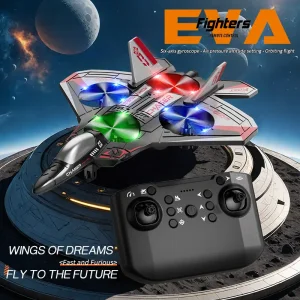
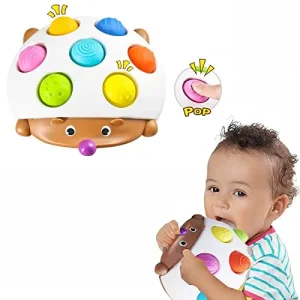
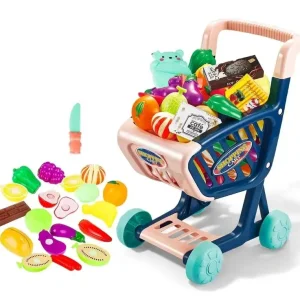
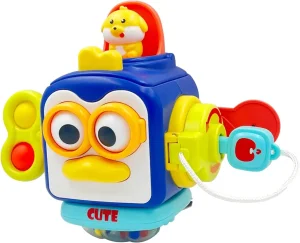
Explore our wider industrial and consumer catalog, curated through our Shantou, Chenghai office and certified export network.
 Ducky Sourcing