For global buyers, choosing an Automatic Cat Litter Box involves more than comparing prices and polished product images. A reliable supplier must demonstrate consistent manufacturing, clear specifications, responsive communication, and practical after-sales support. Buyers should inspect waste capacity, cleaning cycles, odor-control design, sensor performance, noise levels, replacement parts, and packaging quality. A quiet motor matters when the unit operates beside a bedroom or a nervous cat’s feeding area.
Veterinary expertise also deserves attention. Dr. Bruce Kornreich, director of the Cornell Feline Health Center, has emphasized, “Changes in litter box habits can be an important indicator of health problems.” This reminder is important. Automation should never hide changes in urination, stool frequency, or unusual behavior. Buyers should favor models that allow easy inspection and cleaning, rather than systems designed only for convenience.
This guide reviews leading Automatic Cat Litter Box suppliers for international purchasing teams, distributors, retailers, and private-label brands. It considers product reliability, factory experience, customization options, certifications, minimum order quantities, shipping readiness, and communication standards. Some suppliers appear impressive online but provide limited technical documentation. That weakness deserves careful questioning. A beautiful sample can still reveal poor sealing, fragile sensors, or difficult maintenance after several weeks of use.
The strongest supplier is not always the cheapest. It is the partner that explains limitations honestly, supplies test data, and responds when something goes wrong. Global sourcing remains imperfect. Even experienced buyers can overlook small details. Careful sampling, user testing, and written agreements can reduce those risks.
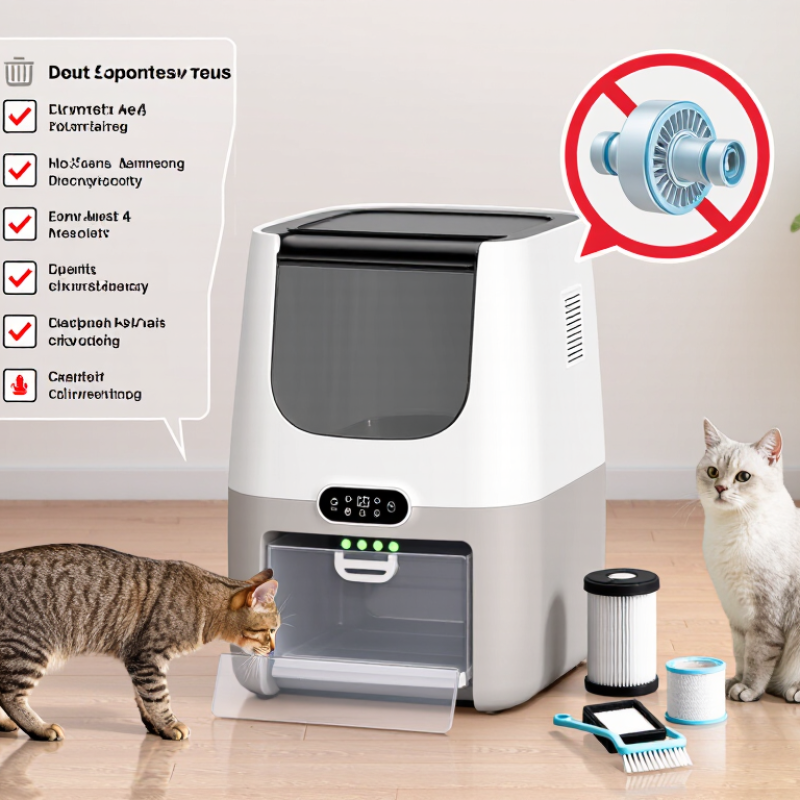
Automatic cat litter box suppliers now serve retailers, distributors, and online sellers across many markets. The industry is moving beyond simple cleaning cycles. Buyers increasingly request quiet motors, sealed waste drawers, odor control, and app-free operation. Convenience matters, but dependable daily performance matters more.
A capable supplier should provide clear specifications, factory inspection records, and repeatable quality controls. Ask about sensor accuracy, motor lifespan, cleaning capacity, and noise levels. Request samples before placing a large order. A unit may perform well in a showroom but fail after weeks of clumping litter exposure. That gap deserves attention.
Global buyers also need flexible packaging, stable spare-part supply, and responsive technical support. Confirm minimum order quantities, production lead times, warranty handling, and shipping protection. Local electrical requirements and product safety documentation must be checked before sales begin.
Some suppliers offer many features but explain maintenance poorly. That is a weakness, not a selling point. User instructions should show waste removal, sensor cleaning, and emergency operation with simple diagrams. Pricing can be attractive, yet replacement components may cost too much. A careful supplier evaluation compares the complete ownership cost, not only the initial quotation.
Rake-based models push waste into a sealed compartment. Rotating models turn the litter chamber. Sifting models separate clumps with a screen. Open designs suit cautious cats. Covered designs offer more privacy and contain scattered litter.
Look for weight sensors, motion detection, and delayed cleaning cycles. These features help prevent operation while a cat remains inside. Physical buttons are useful when app connections fail. Software is not always reliable.
Test motor noise, cleaning speed, litter compatibility, and waste-bin access. Check whether larger cats can enter comfortably. A narrow drawer may need frequent emptying in multi-cat homes. Small design gaps matter.
Ask for unit prices at 50, 100, and 500 units. Confirm whether sensors, adapters, cartons, and liners are included. Request sample fees and refund terms. Factory price is not landed cost.
Standard colors and shared packaging may reduce the minimum order. A smaller trial shipment can test demand. The unit cost may rise. Cash flow still matters more than a tempting discount.
Request quotes under clear Incoterms, such as FOB, CIF, or DDP. Confirm freight charges, carton size, gross weight, and destination fees. Ask for invoices, packing lists, export documents, and tracking details. Build buffer time.
Review production experience, test records, material traceability, and technical support. Confirm voltage, plug type, manual language, and packaging requirements. Ask for recent samples instead of trusting catalog images. Images can hide awkward details.
Pilot orders reveal failure rates, packaging damage, unclear instructions, and household usability. Test filters, liners, motors, and sensors during real use. I once underestimated replacement parts. The after-sales budget suffered. Mistakes happen.
The global market for Automatic Cat Litter Box products is expanding as pet owners seek cleaner, more convenient, and time-saving solutions. Suppliers typically offer self-cleaning models with features such as odor control, waste-level alerts, safety sensors, quiet operation, app connectivity, and adjustable cleaning cycles. Product selection varies by household size, cat behavior, power requirements, and preferred level of smart-home integration. Buyers should compare product materials, performance testing, warranty terms, quality-control procedures, and relevant safety or electrical certifications before placing an order.
Pricing depends on product functions, order volume, packaging, customization, and after-sales support. International buyers should also review minimum order quantities, production lead times, shipping methods, import documentation, and potential duties. The most suitable supplier will be able to provide stable quality, transparent communication, reliable delivery, and responsive technical support. By matching product specifications and service capabilities with the needs of each target market, distributors can build a practical and sustainable supply strategy.

 Ducky Sourcing