Top 5 Tips for Choosing the Biggest Dog Crate for Your Pet?

Time:2026-08-03 Author:Madeline
0%

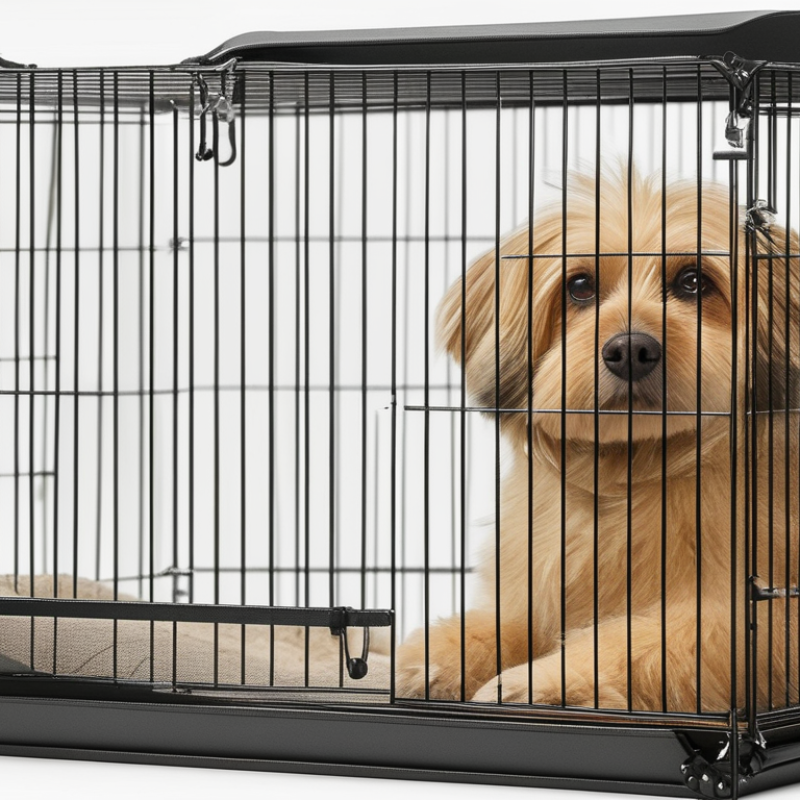
Choosing the biggest dog crate for your pet is a crucial decision. A well-sized crate ensures comfort, security, and a peaceful environment for your furry friend. It can also prevent anxiety during travel or alone time. You might think a larger crate is always better, but that's not always the case.

Consider your dog's breed, size, and habits. Some dogs prefer snug spaces while others enjoy room to stretch. It's easy to overlook these details when shopping. Failing to do so may lead to your pet feeling insecure or cramped. The biggest dog crate should fit your dog appropriately, allowing them to stand, turn, and lie down comfortably.

Quality matters too. Look for durable materials that can withstand wear and tear. A flimsy crate won't provide the safety your pet needs. Research brands and read reviews. Trustworthy sources can guide you. Remember, this is not just about size; it's about creating a safe haven for your beloved pet.
Top 5 Tips for Choosing the Biggest Dog Crate for Your Pet?

Understanding Your Dog's Size and Breed Requirements

Choosing the right dog crate requires understanding your dog’s size and breed. Different breeds vary greatly in height, length, and weight. A Great Dane needs far more space than a Chihuahua. Measure your dog from nose to tail, and consider their height when standing.

Tips to determine crate size include ensuring your dog can comfortably stand and turn around. If your pet is still growing, choose a crate that accommodates their potential adult size. Avoid crates that are too large; dogs may feel insecure in excessive space.

Observe your dog’s behavior. Some breeds prefer snug spaces, while others need more room. A crate that fits poorly can lead to anxiety or restlessness. Choose a crate that reflects their personality and size, ensuring a safe and cozy environment.

Top 5 Tips for Choosing the Biggest Dog Crate for Your Pet

Size Category Recommended Crate Size (L x W x H) Ideal Dog Breeds Weight Limit
Small 24" x 18" x 19" Chihuahua, Pomeranian Up to 25 lbs
Medium 30" x 24" x 28" Beagle, Cocker Spaniel 26 - 50 lbs
Large 36" x 24" x 28" Labrador, Golden Retriever 51 - 75 lbs
Extra Large 42" x 28" x 30" Rottweiler, German Shepherd 76 - 100 lbs
Giant 48" x 30" x 33" Great Dane, Mastiff Over 100 lbs

Measuring Your Dog for the Perfect Crate Fit

Measuring your dog for the perfect crate fit is essential. A well-fitted crate ensures comfort and security. Start by measuring your dog's height and length. Use a tape measure to get accurate dimensions. For height, measure from the ground to the top of their head. Length should be from the nose to the base of the tail.

It's important to add a few inches to both measurements. This extra space allows your dog to stand, turn around, and lie down comfortably. If your dog is still growing, consider their future size. You might need to adjust your calculations. Many pet owners overlook this aspect. They choose a crate that is too small, causing stress for their pets.

Also, reflect on your dog’s behavior. Does your dog feel anxious in confined spaces? If so, a larger crate might actually help. Observe how your dog interacts with their current space. Frequent adjustments can be necessary as your dog’s needs change. Always prioritize their comfort and well-being in this process.

Evaluating Material Quality and Durability of Crates

When selecting a dog crate, the material’s quality and durability are crucial. A sturdy crate provides a safe environment for your pet. Metal and heavy-duty plastic are popular choices. Metal crates often withstand chewing and scratching. Look for crates with reinforced corners; these can increase longevity. The finish should also be smooth to prevent injuries.

Considering the size of your dog is essential. A crate that is too small can cause anxiety. Yet, a crate that is too big may not feel secure. Choose one that allows your dog to stand, turn, and lie down comfortably. This balance promotes a sense of safety.

Inspect the welds and connections. Low-quality crates may show weak points here. Invest time in comparing options. Sometimes, professional reviews or user feedback help in decision-making. Don't rush into a purchase. Consider your dog's habits and needs. Reflect on how often you move the crate, as portability can also be a factor.

Quality and Durability of Dog Crates

Considering Crate Features for Comfort and Safety

When selecting a dog crate, comfort and safety are paramount. A crate should provide a secure environment for your pet, reducing anxiety during travel or alone time. According to the American Kennel Club, well-structured crates can lower stress for 72% of dogs. This figure underscores the importance of choosing a crate that meets your dog's needs.

Consider ventilation and material when purchasing. Crates made from high-quality, durable materials can withstand wear and tear. Proper ventilation prevents overheating, especially during warmer months. Look for crates with rounded edges to avoid injuries. In a recent report by the Pet Industry Federation, 55% of dog owners reported that safety features significantly influenced their purchasing decisions.

Size matters, too. A crate should allow your dog to stand, turn, and lie down comfortably. A common mistake is buying a crate that’s too large. This can lead to anxiety if the dog feels lost inside it. Aim for a snug fit while maintaining comfort. Carefully evaluating crate features can help ensure your dog feels safe and at home.

Selecting the Right Style of Crate for Your Living Space

Choosing the right style of dog crate is crucial for both your pet’s comfort and your living space's aesthetics. Crate styles vary from traditional metal to stylish wooden designs. Statistics show that around 70% of pet owners prioritize visual appeal when selecting a crate, as it can fit seamlessly with home decor.

Consider your living space size. A cramped room may necessitate a more compact crate. In contrast, open areas allow for larger models, giving more room for your pet to move. The American Kennel Club reports that larger crates should ideally provide at least 36 inches in length for medium to large breeds. This ensures your dog feels secure and comfortable inside.

Reflect on your daily routine as well. If you have limited space, a foldable or multi-use crate could be more practical. Some owners underestimate the space needed for both a crate and your pet’s bed. This can lead to a cluttered environment. Thus, understanding your spatial limitations is essential to make an informed decision. A crate should not just serve a purpose; it should enhance your living area while ensuring your dog feels safe and cozy.

FAQS

: How do I measure my dog for a crate?

: Measure your dog's height from the ground to their head. For length, measure from the nose to the tail's base.

Why is extra space important in a dog crate?

Extra space allows your dog to stand, turn, and lie down comfortably. It reduces stress and promotes well-being.

What if my dog is still growing?

Consider your dog's expected adult size. Adjust your measurements to accommodate their growth for the future.

How can I assess my dog’s comfort in their crate?

Observe your dog’s behavior in their current space. Dogs that avoid their crate might need a larger one.

What materials should I look for in a dog crate?

Choose sturdy materials like metal or heavy-duty plastic. These withstand chewing and scratching, ensuring safety.

How can I determine if a crate is durable?

Inspect welds and connections. Strong crates will not show weak points and will hold up over time.

Is crate size related to my dog’s anxiety?

Yes, a crate that is too small can increase anxiety. Conversely, a large crate may not feel secure enough.

Should I consider portability when selecting a crate?

Yes, think about how often you'll move the crate. Portability can impact your choice in design and material.

How do I evaluate different crate options?

Take time to compare various crates. User feedback and professional reviews can inform your decision-making process.

What are the signs of a low-quality dog crate?

Look for weak welds, rough finishes, and unstable structures. These can pose risks to your dog’s safety.

Conclusion

When selecting the biggest dog crate for your pet, it's essential to start by understanding your dog's size and breed requirements. This ensures that you choose a crate that provides enough space for your furry friend to stand, turn around, and lie down comfortably. Accurately measuring your dog is crucial in determining the perfect crate fit; this involves taking into account their height and length to avoid any cramped conditions.

Material quality and durability are also pivotal in your decision-making process. A sturdy crate will withstand wear and tear while ensuring your dog's safety. Additionally, evaluating crate features like ventilation, bedding options, and removable trays can greatly enhance comfort. Lastly, consider how the crate style fits into your living space, whether it's for travel purposes or as a permanent fixture in your home. By following these tips, you can confidently choose the biggest dog crate that caters to your pet's needs.


Madeline

Madeline

Madeline is a dedicated marketing professional with a wealth of expertise in our company's core offerings. With a keen understanding of the industry, she brings a unique perspective to her role, consistently delivering high-quality content that highlights the superior aspects of our products. As......