How to Choose the Best Outside Dog Cage in 2026?

Time:2026-10-08 Author:Amelia
0%

Choosing the best Outside Dog Cage in 2026 requires more than comparing prices or reading attractive product descriptions. A safe enclosure should fit your dog’s body, behavior, climate, and daily routine. It must provide enough room to stand, turn, stretch, and rest without pressing against the panels. Strong steel may improve security, but poor ventilation can create dangerous heat inside. Weather-resistant coatings also matter, especially after repeated rain, snow, or intense sunlight.

Dr. Temple Grandin, a respected animal-behavior expert, has said, “Animals are sensitive to sudden changes in their environment.” That observation should guide every cage decision. A suitable Outside Dog Cage should include stable flooring, shaded areas, rounded edges, secure latches, and protection from wind. It should not become a silent storage box for a lonely dog. Regular exercise and human contact remain essential.

Real outdoor use can expose flaws that product photos hide. A latch may loosen. A roof may leak. Cleaning may become awkward after muddy weather. I have found that owners often focus too heavily on cage strength and overlook daily comfort. That is an understandable mistake, but it deserves reconsideration. This guide examines size, materials, ventilation, drainage, safety, maintenance, and seasonal performance. It also considers temperament, because a nervous escape artist needs different features from a calm senior dog. The best choice is rarely the largest or cheapest model. It is the enclosure that stays secure, dry, comfortable, and practical throughout changing conditions.
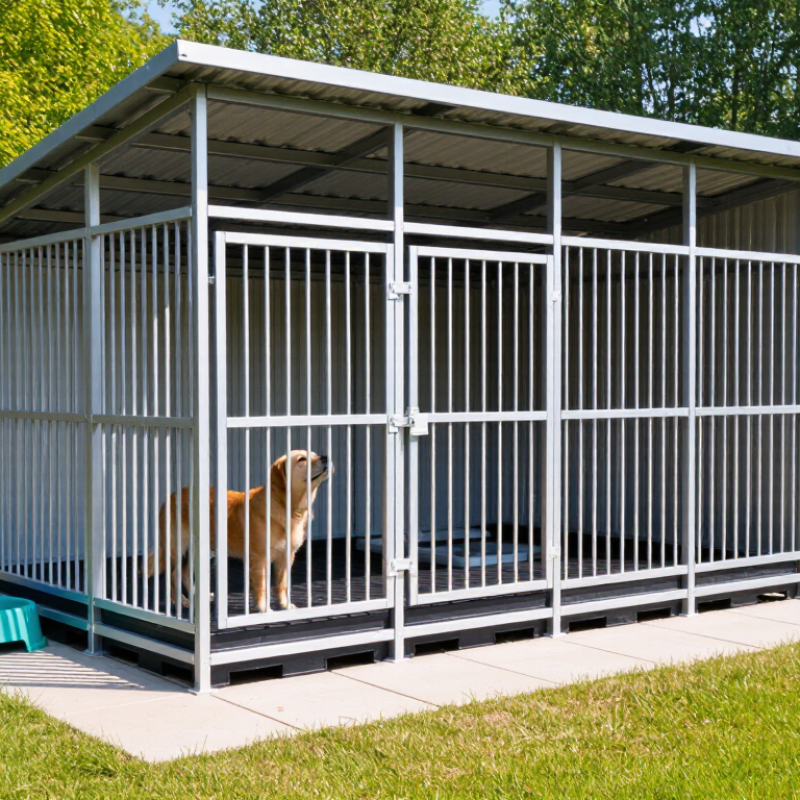
How to Choose the Best Outside Dog Cage in 2026?

Understanding the Purpose and Key Features of an Outside Dog Cage

How to Choose the Best Outside Dog Cage in 2026?

An outside dog cage should provide secure shelter, not replace attention, exercise, or family contact. Its purpose is to protect your dog during short outdoor periods. It can limit access to traffic, unsafe plants, and harsh weather. However, outdoor housing is not suitable for every dog or climate.

Size matters greatly. Your dog should stand naturally, turn around, stretch, and lie down comfortably. Extra space helps, but an oversized cage may feel less secure for a small dog. Strong ventilation prevents trapped heat, especially under direct sunlight. A solid roof should block rain while leaving enough airflow along the sides. Shade is essential. Water must remain fresh and reachable.

Inspect the floor carefully. It should stay dry, resist rust, and avoid sharp edges. Raised flooring can improve drainage, but it must not hurt sensitive paws. A reliable latch prevents accidental escapes, while narrow openings reduce the risk of trapped collars or toes. Check the cage every week for loose joints, corrosion, and damaged panels. I once underestimated how quickly outdoor moisture could weaken metal hardware. That mistake changed my maintenance routine. Even a well-designed cage needs bedding, daily cleaning, and regular human interaction. A secure enclosure is useful, but comfort depends on details that are easy to overlook.

How to Choose the Best Outside Dog Cage in 2026?

Understanding the Purpose and Key Features of an Outside Dog Cage

The chart shows example minimum primary-enclosure floor areas calculated from the U.S. Animal Welfare Act formula: (dog length in inches + 6)² ÷ 144. These figures are regulatory minimums for covered facilities, not complete welfare recommendations. An outside dog cage should also provide shade, weather protection, ventilation, drainage, secure construction, and regular access to exercise outside the enclosure.

Choosing the Right Cage Size, Material, and Weather Protection

How to Choose the Best Outside Dog Cage in 2026?

Choosing the Right Cage Size, Material, and Weather Protection

A suitable outside dog cage must support movement, rest, and safe supervision. The American Pet Products Association’s 2023–2024 survey reports that 66% of U.S. households own a pet. More dogs now spend time in outdoor areas, but outdoor confinement should not replace daily exercise or human contact. Measure your dog from nose to tail base, then add room for turning, standing, and stretching. A cage that only allows sitting is too small. Bigger is not always better, either. Excess space can reduce warmth in cold weather.

Material affects durability and comfort. Powder-coated steel resists rust better than untreated metal, while stainless steel offers stronger corrosion resistance near coastal air. Use smooth welds and inspect sharp edges monthly. A solid, washable floor helps prevent muddy paws, but it should not become slippery when wet. Wood can provide warmth, yet it absorbs moisture and may hide rot. I once underestimated drainage as a design issue. That mistake deserves more attention.

Weather protection needs layered thinking. NOAA recorded 27 U.S. billion-dollar weather and climate disasters in 2024, showing why a simple roof may be insufficient. Provide a waterproof roof, shaded ventilation, and a raised sleeping platform. Block prevailing wind on one or two sides, not every side. Airflow matters during heat. In cold conditions, use dry bedding and check it often. Never rely on a cage alone during extreme heat, freezing temperatures, storms, or flooding. Forecasts change. Your inspection should change with them.

Comparing Safety, Comfort, Ventilation, and Maintenance Requirements

How to Choose the Best Outside Dog Cage in 2026?

A suitable outside dog cage must protect your dog without feeling like a metal box. Check every welded joint, latch, and corner for sharp edges. The door should close securely but open smoothly during emergencies. Leave enough room for your dog to stand, turn, stretch, and lie down naturally. More space is not always better. Excessive room can reduce warmth and make anxious dogs feel exposed.

Ventilation deserves careful attention. Open sides should allow cross-breezes, while a solid roof should block harsh sunlight and rain. Place the cage on a raised, stable surface to prevent puddles beneath the flooring. A washable floor helps, but it should not become slippery when wet. Add a dry resting mat, then inspect it often for dampness, broken threads, or chewing damage. I once underestimated afternoon heat; shade moved faster than expected.

Tips: Measure your dog while standing and lying down. Choose corrosion-resistant materials. Test the latch with one hand. Clean food residue daily, and rinse the floor after muddy weather. Watch your dog for panting, pacing, or reluctance to enter. These signs may reveal poor airflow, discomfort, or fear. Recheck the cage after storms, because a secure design can still shift on weak ground.

Evaluating Cage Placement, Security, and Outdoor Living Conditions

A suitable outside dog cage begins with placement, not price.

Choose level ground that drains well after rain. Observe the area during the hottest afternoon. Morning shade may disappear by noon. A cage beside a wall can block wind, but it may also trap heat. Keep it away from poisonous plants, sharp tools, standing water, and low branches.

Security needs several simple checks.

Use rigid, chew-resistant mesh with openings too narrow for the dog’s head. The frame should sit firmly on stable ground. Add a dig-resistant perimeter if the dog naturally scratches. Test every latch with one hand. Inspect hinges, welds, and roof fasteners weekly.

I once underestimated a loose hinge during a routine check. The cage looked secure, but repeated movement had widened the gap. That mistake changed my inspection routine.

Outdoor living conditions affect comfort and behavior.

Provide a raised resting surface, clean water, and dry bedding that stays off damp flooring. A weather-resistant roof should create shade without blocking cross-ventilation. In cold weather, use a solid windbreak while leaving enough airflow. Watch for condensation, wet paws, heavy panting, shivering, or repeated circling. Move the dog indoors when these signs appear. A cage is not a replacement for exercise, companionship, or daily observation. Some layouts look practical on paper. Test them during real weather, then adjust what fails.

Checking Durability, Local Regulations, and Long-Term Value

How to Choose the Best Outside Dog Cage in 2026?

A reliable outside dog cage should handle rain, heat, digging, and repeated movement. In practical inspections, welded steel joints often reveal quality better than appearance. Check for sharp edges, weak hinges, and thin flooring. A good cage should include secure latches, weather-resistant coating, and enough space for your dog to stand, turn, and stretch. Raised flooring can reduce dampness, while a solid roof offers shade during harsh afternoon sun. Small details matter.

Durability is only part of the decision. Local rules may control cage placement, setbacks, drainage, noise, and maximum enclosure size. Contact your municipal planning office or animal welfare department before installation. Requirements can differ between neighboring areas. I once underestimated winter wind exposure, and the chosen location became uncomfortable despite a strong frame. That mistake changed how I assess shelter, airflow, and ground stability. Long-term value also includes cleaning time, replacement panels, flooring repairs, and possible permit costs. A cheaper cage may become expensive after two seasons.

Tips: Measure your dog and the available yard first. Inspect welds and hinges in person when possible. Choose corrosion-resistant materials for wet climates. Leave room for a dry sleeping area, but avoid placing the cage beside constant traffic. Keep records of measurements, receipts, and local guidance. Recheck the cage after severe weather. Small cracks can grow.

FAQS

How do I choose the correct cage size for my dog?

Measure your dog from nose to tail base. Add room for standing, turning, stretching, and lying down. A sitting-only cage is too small. Excess space can reduce warmth and increase anxiety.

Which materials work best for an outdoor dog cage?

Powder-coated steel handles outdoor moisture well. Stainless steel resists corrosion near salty coastal air. Wood feels warmer, but it absorbs water and can hide rot. Inspect every surface regularly.

What safety details should I check before use?

Check welded joints, corners, and latches. Smooth edges matter. The door should close securely and open easily with one hand. Test it before an emergency happens.

How can I protect the cage from rain and heat?

Use a waterproof roof and provide shaded ventilation. Raise the cage above wet ground. Block strong wind on one or two sides. Do not seal every side, because airflow matters.

What type of floor is safest?

Choose a solid, washable floor with good drainage. It should stay stable when wet. Add a dry resting mat. I underestimated drainage once; muddy water collected underneath.

How often should I inspect and clean the cage?

Remove food residue daily. Rinse the floor after muddy weather. Inspect sharp edges, rust, bedding, and latch movement every month. Check the cage again after storms.

How can I tell if my dog feels uncomfortable inside?

Watch for heavy panting, pacing, reluctance to enter, or repeated scratching. These signs may suggest heat, poor airflow, fear, or discomfort. The cage might need adjustment.

Can an outdoor cage protect my dog during extreme weather?

No cage provides complete protection during extreme heat, freezing temperatures, storms, or flooding. Move your dog indoors when conditions become dangerous. Forecasts can change quickly.

Conclusion

Choosing the best Outside Dog Cage in 2026 begins with understanding your dog’s needs, daily routine, and outdoor environment. The cage should provide enough room for standing, turning, stretching, and resting without becoming unnecessarily large. Consider strong, weather-resistant materials, a secure structure, proper ventilation, and protection from sun, rain, wind, and temperature changes. Comfortable flooring, safe access, and easy cleaning are also important for your dog’s health and well-being.

Placement is equally essential. Position the cage on stable, well-drained ground in a location that offers shade, visibility, and protection from harsh weather. Check doors, locks, edges, and connections regularly to prevent escapes or injuries. Before purchasing, review local rules and property requirements, then compare durability, maintenance needs, and long-term value rather than focusing only on the initial cost. A well-selected cage should support safe outdoor living while remaining practical, comfortable, and reliable over time.


Amelia

Amelia

Amelia is a seasoned marketing professional with a wealth of expertise in our company’s core offerings. With an unwavering passion for driving growth and innovation, she plays a pivotal role in shaping our marketing strategies and enhancing brand visibility. A key aspect of her responsibilities......