Choosing the 2026 best Flea Meds For Dogs is not as simple as picking the most advertised box. Flea control depends on your dog’s age, weight, health, lifestyle, and local parasite pressure. A Labrador hiking through tall grass may need a different strategy from a senior terrier living in an apartment. Indoor dogs are not automatically protected. Fleas can enter on shoes, clothing, or visiting pets.
Veterinarian Dr. Tina Wismer puts it plainly: “The best flea preventive is the one you can use correctly and consistently.” That advice matters more than flashy claims. Effective options may include oral tablets, topical treatments, flea collars, or carefully selected combinations. Each product uses different active ingredients, and each carries specific directions, limits, and possible reactions. Never combine products casually. Ask your veterinarian before treating puppies, pregnant dogs, dogs with seizures, or pets taking other medicines.
This guide compares popular Flea Meds For Dogs by effectiveness, safety considerations, convenience, duration, and value. It also explains what the labels may not make obvious. Some products kill adult fleas quickly, while others help interrupt the flea life cycle. That difference can change the result inside your home. Still, no ranking is perfect. A product that works brilliantly for one dog may disappoint another. Your dog’s scratching may also involve allergies, mites, or skin infection. That possibility deserves attention. Real protection requires more than one purchase: accurate dosing, regular use, washing bedding, vacuuming carpets, and honest follow-up when something seems wrong.
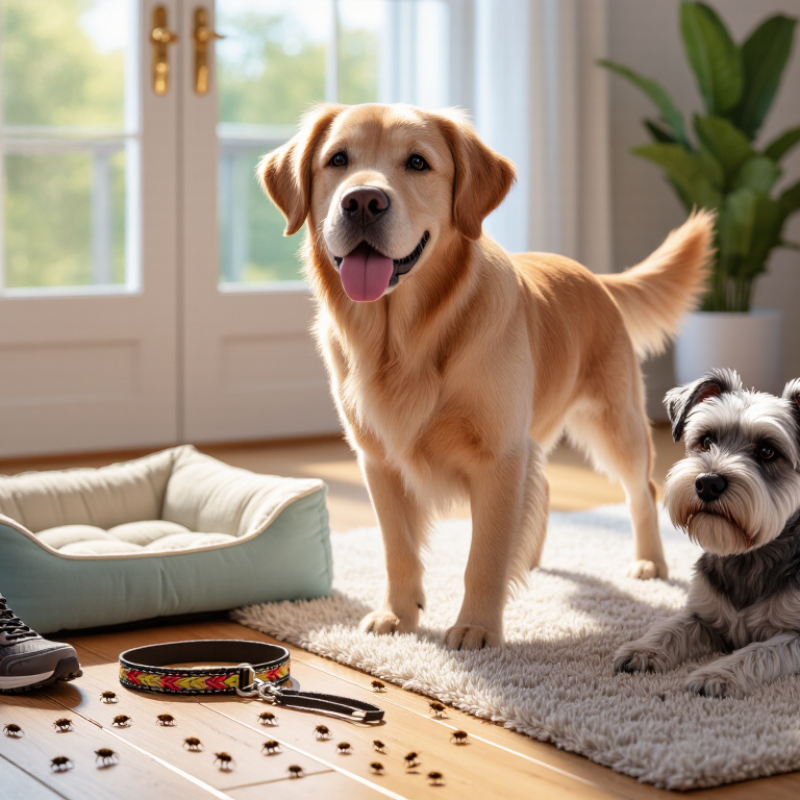
Flea medications for dogs are designed to kill adult fleas, interrupt their life cycle, or do both. Some treatments travel through the bloodstream after swallowing. Fleas die when they bite the dog. Others spread across the skin and coat, killing fleas through contact. Certain formulas also contain insect growth regulators, which stop eggs or larvae from developing.
The right choice depends on a dog’s age, weight, health, lifestyle, and exposure risk. A veterinarian can match the active ingredient to those details. Read the label carefully. Never combine products unless a veterinary professional approves it. Some ingredients can cause skin reactions, vomiting, or neurological signs in sensitive dogs. Extra caution is needed for puppies, senior dogs, and dogs with seizure histories.
Flea control is not only about the dog. Eggs and immature fleas may remain in carpets, bedding, cracks, and shaded outdoor areas. Washing bedding and vacuuming regularly can reduce reinfestation. A practical mistake is expecting one dose to solve an established infestation immediately. It may take several weeks. No product is perfect. Missed doses, incorrect weight ranges, and untreated household animals can weaken the plan. Monitoring scratching and flea debris helps show whether the treatment is working.
2026 Best Flea Meds for Dogs: Which Works Best?
Choosing flea treatment depends on your dog’s health, habits, and home environment. Oral treatments spread through the bloodstream and often provide consistent protection. They suit dogs that swim frequently or dislike handling. However, some dogs may experience stomach upset, and certain products carry neurological warnings. Ask a veterinarian before use, especially for puppies or dogs with medical conditions.
Topical treatments are applied to the skin, usually between the shoulder blades. They can work well, but bathing too soon may reduce their effect. Collars release active ingredients gradually and may help dogs that resist tablets. Check the fit every few days. Two fingers should slide comfortably underneath. Shampoo kills many fleas during washing, yet its protection usually fades quickly. It is better for immediate cleaning than long-term control.
Fleas also hide in carpets, bedding, and floor cracks. Treating only the dog often leaves the problem unfinished. Follow the product label carefully, including weight limits and reapplication dates. Never combine treatments casually. That can create avoidable risks. I used to view convenience as the deciding factor, but that was too simple. A dog’s skin, behavior, swimming routine, and household exposure can change the answer. Veterinary guidance remains valuable when itching continues, fleas return, or the dog develops redness, vomiting, or unusual behavior.
| Comparison Factor | Oral Treatment | Topical Treatment | Flea Collar | Flea Shampoo |
|---|---|---|---|---|
| Primary purpose | Systemic control of adult fleas after the active ingredient is swallowed and absorbed. | Skin-and-coat treatment that spreads over the dog’s body or acts through skin oils, depending on the active ingredient. | Continuous release of an insecticidal or insect-growth-regulating active ingredient around the neck and over the coat. | Short-term washing treatment that removes or kills some fleas present on the coat during bathing. |
| Typical time to begin working | Often within several hours; exact onset depends on the active ingredient and product label. | Usually within 12–48 hours, although some products work faster. | May begin working within 24 hours, but full coat coverage can take longer. | Works during the bath; it does not provide dependable long-term protection by itself. |
| Common protection interval | Commonly monthly; some licensed formulations provide protection for up to about 12 weeks. | Commonly monthly; some formulations have longer labeled intervals. | Typically several months, with many products labeled for approximately 4–8 months. | Usually limited to the bathing session and possibly a few days, depending on the formula. |
| Effect on existing adult fleas | Generally high when the correct dose is given consistently; some products also reduce egg production. | Generally high when applied correctly; effectiveness varies by active ingredient and distribution over the coat. | Can provide ongoing adult-flea control, but performance may be slower or less uniform on heavily infested dogs. | Can remove or kill many fleas visible at bathing time, but usually will not stop reinfestation. |
| Control of eggs and larvae | Some formulations affect flea eggs or larvae indirectly; others only kill adult fleas. Check the label. | Some formulations include insect-growth regulators that help interrupt the flea life cycle. | Some collars provide egg or larval control; coverage depends on the active ingredient. | Usually poor residual control of eggs and larvae in the home environment. |
| Water and bathing resistance | Usually unaffected by swimming or bathing after absorption, but follow the product instructions. | Varies considerably. Frequent swimming or shampooing may reduce protection for some products. | Water resistance varies by design; remove the collar only when the label requires it. | Not a preventive solution; repeated bathing may be needed and can dry or irritate skin. |
| Ease of use | Easy when the dog reliably accepts tablets or chewable medication; dosing must match body weight. | Simple monthly application, but the liquid must be placed directly on the skin as directed. | Convenient for owners who prefer a long replacement interval; correct fit is essential. | Requires handling, rinsing, drying, and careful avoidance of the eyes, mouth, and broken skin. |
| Best suited for | Dogs that swim frequently, dogs with thick coats, or households needing consistent whole-body treatment. | Owners who want a non-oral option and can maintain a regular application schedule. | Dogs needing extended protection with minimal monthly handling, when the collar is well tolerated. | A supplementary first step for removing visible fleas or cleaning a heavily infested coat. |
| Main limitations | May not suit dogs that cannot swallow medication; certain active ingredients require veterinary screening. | Incorrect placement, bathing, or skin sensitivity can reduce performance or cause irritation. | May cause neck irritation, may be lost, and does not replace treatment of the home environment. | Short-lived protection and limited life-cycle control; overuse can irritate the skin. |
| Relative convenience | ★★★★★ | ★★★★☆ | ★★★★☆ | ★★☆☆☆ |
| Overall role in flea control | Often the strongest choice for reliable systemic prevention when medically appropriate. | A practical alternative when oral medication is unsuitable or not preferred. | Useful for extended protection when the dog tolerates the collar and the label matches the household’s needs. | Best used as a short-term supplementary measure rather than a standalone prevention strategy. |
Important: Protection periods, minimum age, minimum weight, parasite coverage, water resistance, and safety precautions vary by active ingredient and local product label. Use only a treatment labeled for dogs, never apply a dog product to cats, and consult a veterinarian for puppies, pregnant or nursing dogs, dogs with seizures, or dogs with skin disease.
Choosing the best flea medicine in 2026 starts with the dog, not the package. Puppies may need a minimum age and weight before treatment. A large adult dog may require a different dose than a small breed. Never split a dose unless a veterinarian confirms it is safe.
Health history matters. Dogs with seizures, liver disease, pregnancy, or previous treatment reactions need professional screening. The U.S. Food and Drug Administration reports that isoxazoline products are generally effective, but rare neurological reactions can occur.
Watch for tremors, poor balance, vomiting, or unusual tiredness. Stop guessing.
Lifestyle changes the choice. A dog hiking through tall grass may need dependable, longer-lasting protection. An indoor dog still faces risk from visiting pets, carpets, and shared apartment spaces. CAPC surveillance data continues to show flea activity across U.S. regions, including areas with cooler seasons. Fleas can also support tapeworm transmission and trigger flea allergy dermatitis.
Read the label carefully. Confirm the dog’s exact weight, age, species, dosing interval, and active ingredients. Do not combine products casually. I have seen owners focus on fast relief while missing environmental control; eggs and larvae can remain in bedding and floor cracks. Wash blankets hot, vacuum edges, and ask a veterinarian about safe treatment for every pet in the household. A cheaper option is not always the safer one.
Choosing a flea medicine should begin with the dog, not the package. A veterinary examination can uncover seizures, skin disease, pregnancy, age concerns, or drug interactions. The FDA’s 2018 safety communication notes reported neurological reactions linked to isoxazoline products, including tremors, ataxia, and seizures. Most treated animals tolerate these medicines, but risk is not identical for every dog.
Watch for vomiting, diarrhea, unusual sleepiness, scratching, muscle tremors, or poor coordination after treatment. Stop and contact a veterinarian if symptoms appear. Never double doses or combine oral, topical, and household pesticides without professional advice. The U.S. Environmental Protection Agency also advises following weight ranges, label directions, and application precautions carefully. A small dog receiving a large-dog dose is a preventable error.
The 2024 ESCCAP parasite-control guidance supports risk-based treatment, considering travel, outdoor exposure, other pets, and local flea pressure. Year-round prevention may suit some dogs, while others need a different schedule. Veterinary recommendations should also consider flea allergy dermatitis, because one bite can trigger intense itching in sensitive animals. The uncomfortable truth is that “strongest” does not mean “safest.” Evidence is not equally complete for every dog, age group, or product combination. Careful monitoring still matters.
Effective flea control starts with correct medication and continues beyond the dog’s coat. Choose a veterinary-approved product for your dog’s species, age, weight, health status, and lifestyle. Oral and topical treatments work differently, so follow the label exactly. Never split doses or use a product intended for another animal.
The Companion Animal Parasite Council’s surveillance maps show flea activity across U.S. regions throughout the year. Indoor dogs are not automatically protected. According to University of Florida IFAS flea biology guidance, about 95% of flea populations exist as eggs, larvae, or pupae in the environment. That explains why one treatment may not end an infestation.
Clean the living space carefully. Vacuum carpets, sofa seams, cracks, and sleeping areas, then empty the vacuum outdoors. Wash pet bedding in hot water when the fabric allows. Treat every household pet only with species-appropriate products. Recheck the dog regularly, especially around the neck, tail base, and belly. Flea combing can reveal dark debris before heavy scratching begins.
Persistence matters.
A common mistake is stopping medication after visible fleas disappear. New adults can emerge from protected pupae for weeks. The CAPC recommends year-round parasite control, guided by local risk and veterinary advice. I would also question any plan promising instant, permanent protection. Real homes are messy, and reinfestation can happen. If itching, hair loss, vomiting, or unusual behavior continues, contact a veterinarian instead of adding another product.
They kill adult fleas or interrupt the flea life cycle. Some treatments act through the bloodstream. Others spread across the skin and coat. Certain formulas stop eggs and larvae from developing.
Consider age, weight, health, lifestyle, and flea exposure. A swimming dog may need a different option than a dog avoiding water. Ask a veterinarian when medical problems exist.
No. Some dogs develop stomach upset or unusual neurological signs. Puppies, senior dogs, and dogs with seizure histories need extra caution. Veterinary guidance matters here.
Topical treatments may suit dogs that dislike tablets. Apply them to the labeled skin area, often between the shoulder blades. Bathing too soon may reduce their effect.
Two fingers should slide comfortably underneath the collar. Check the fit every few days. A loose or overly tight collar can create problems.
Usually, no. Shampoo can remove many fleas during washing. Its protection often fades quickly. It works better for immediate cleaning than lasting control.
Eggs and immature fleas may remain in carpets, bedding, floor cracks, and shaded outdoor areas. Wash bedding and vacuum regularly. Untreated household animals can also restart the problem.
An established infestation may take several weeks to reduce. I once assumed one dose fixed everything. That assumption was wrong. Missed doses and incorrect weight ranges can weaken the plan.
Never combine products casually. Some ingredients may cause skin reactions, vomiting, or neurological signs. Follow the label and ask a veterinary professional before adding another treatment.
Choosing the right Flea Meds For Dogs starts with understanding how each treatment works. Oral medicines circulate through the dog’s system, topical products spread through skin oils, collars provide ongoing protection, and shampoos offer short-term relief by removing or killing fleas on contact. The best option depends on a dog’s age, weight, health history, coat type, daily activities, and exposure to other animals or outdoor areas.
Safety should always come first. Owners should follow the product’s dosage instructions, avoid using products intended for another species, and consult a veterinarian when treating puppies, senior dogs, pregnant dogs, or pets with medical conditions. Possible side effects may include skin irritation, vomiting, tiredness, or unusual behavior, and professional advice is important if these occur. Effective control also requires treating the home environment, washing bedding, vacuuming regularly, and maintaining a consistent prevention schedule to reduce the risk of reinfestation.

Ducky Sourcing