Choosing the right dog cage for your large breed is crucial. Dog cages for big dogs come in various sizes, materials, and styles. Many factors influence your decision, including safety, comfort, and durability.
Experienced pet owners understand that not all cages are suitable. Some may break easily, while others lack ventilation, leading to discomfort. Selecting a cage that suits your dog's size and behavior can be tricky.
It's essential to consider your dog's unique needs. A sturdy cage provides security while preventing escape attempts. Additionally, look for options with easy access for cleaning. Ultimately, the right choice ensures your dog's happiness and safety.
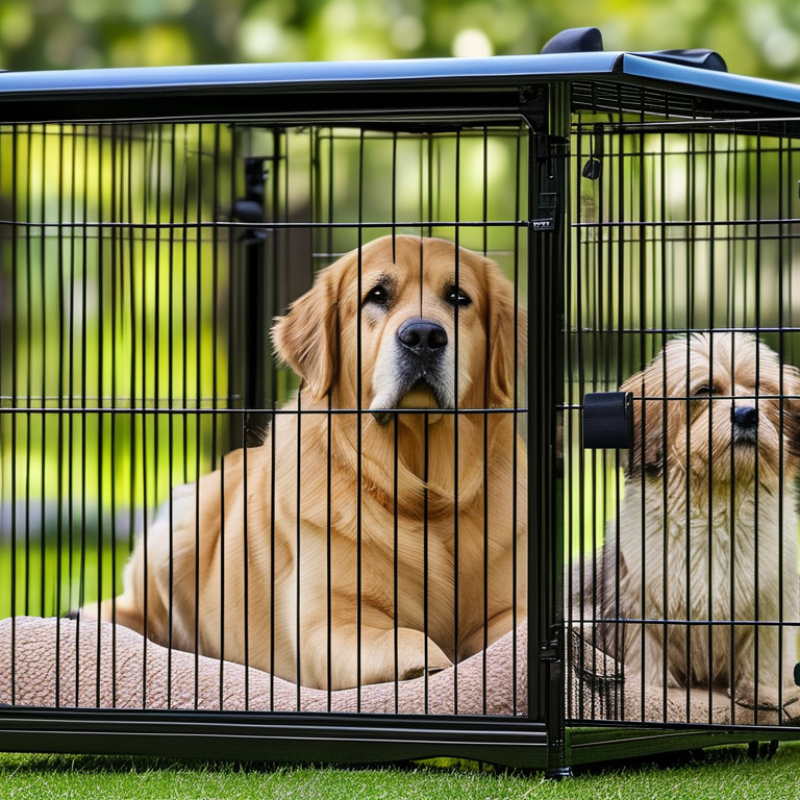
When selecting a cage for your big dog, size is crucial. A cage that’s too small can cause discomfort. Your dog should be able to stand, turn around, and lie down comfortably. Measure your dog’s height and length. Add a few inches to determine the ideal cage size. Many owners overlook these simple measurements, leading to unhappy pets.
Consider your dog's breed and temperament as well. Some dogs may benefit from a larger space. Others feel secure in a smaller area. Think about how your dog behaves when confined. Does it like to stretch out or curl up? Reflecting on these habits can aid your choice.
Room design matters too. The cage should fit well in your home. A bulky cage may disrupt your space. The aesthetics and functionality must balance. Think of the location. Will the cage be in a quiet corner or a busy room? Balancing these aspects can affect your dog’s comfort and well-being. Choose wisely for a happier, healthier pet.
| Cage Type | Dimensions (L x W x H) | Weight Capacity | Material | Price Range |
|---|---|---|---|---|
| Heavy-Duty Metal | 42" x 30" x 35" | 150 lbs | Steel | $150 - $250 |
| Soft-Sided | 48" x 30" x 32" | 100 lbs | Fabric/Plastic | $80 - $150 |
| Wooden Crate | 40" x 28" x 30" | 120 lbs | Wood | $200 - $350 |
| Retractable | 58" x 36" x 39" | 200 lbs | Aluminum | $300 - $500 |
| Foldable Crate | 42" x 28" x 30" | 120 lbs | Metal | $100 - $180 |
When selecting a cage for large dogs, material choice is crucial. Wire cages are popular due to their breathability and visibility. They provide ample ventilation, which is vital during hot weather. Dog owners report that dogs feel less anxious in wire cages. However, they may not offer the same level of security for escape artists. According to industry reports, wire cages are best suited for dogs that are trained and comfortable being confined.
Plastic cages are another solid option. They often feature a solid structure that provides a sense of privacy for dogs. This can be comforting. However, they can be heavier and less portable than wire options. Some dogs may find these enclosed spaces enclosed more stressful. It's important to choose a size that allows movement. Research indicates that larger cages reduce anxiety in larger breeds.
Heavy-duty cages are designed for strong and aggressive dogs. These cages are usually made of reinforced materials. They can be incredibly durable and withstand attempts to escape. However, the downside is weight; they can be cumbersome to move. Ensuring the right fit can prevent unnecessary stress for our pets. Discussions in pet care forums often highlight the importance of choosing the right material based on your dog’s behavior and needs.
When looking for a cage for large dogs, safety should be a top priority. A sturdy build is essential. The materials used must withstand chewing and movement. Check for sharp edges or harmful coatings. A well-built cage can prevent injuries during playtime or transit. Proper ventilation is also crucial. Large dogs need airflow to stay comfortable and healthy.
Comfort is another key aspect. Padding inside the cage can make a big difference. Choose an option that provides a cozy space for your dog. Consider the size carefully. If the cage is too small, your dog will feel cramped. Excessive space can lead to insecurity. Striking a balance is necessary for their well-being.
Accessibility matters as well. Doors should be easy to open and close. Look for designs that allow easy entry and exit. Cleaning is another factor to ponder. Removable trays make maintenance simpler. A clean cage contributes to a happy dog. Reflect on these features as you search. The right cage enhances your dog's living experience.
When considering options for big dog cages, it’s essential to compare different brands to find the right fit for your needs. A recent industry survey found that nearly 70% of dog owners prioritize durability and size when selecting a cage. Big dogs require spacious cages that can withstand their natural instincts to chew and scratch. Typically, a cage should be at least 42 inches long for breeds like Golden Retrievers and German Shepherds.
Research indicates that well-ventilated cages with safe, chew-proof materials enhance comfort. Brands with reinforced corners and secure locks are favored. According to the American Kennel Club, many dog behaviorists recommend cages for training and security. Yet, some dog owners report that not all models are escape-proof. This inconsistency can cause frustration. Many users have also noted issues with assembly and weight—cages may be heavy, making them hard to move.
Choosing the right cage involves weighing the pros and cons of each option. Some cages are designed for indoor use only, while others are versatile enough for outdoor environments. Assessing user reviews is crucial; many highlight the importance of size adjustments and safety features. Not all cages meet the dynamic needs of big dogs, leading to reconsideration. Each brand reflects a unique combination of quality and functionality, and understanding these differences is vital for making an informed choice.
Introducing your dog to a new cage can be both exciting and challenging. A proper introduction helps create a positive association with the cage. Start by placing the cage in a quiet area of your home. This minimizes distractions and helps your dog feel secure. Make sure the cage has comfortable bedding and a few favorite toys inside. This encourages your dog to explore the space.
Use treats to entice your dog to enter the cage. You can toss treats inside to spark curiosity. Encourage them to go in on their own. Never force your dog into the cage. This could lead to fear and resistance. Instead, reward them with praise or snacks when they show interest in the cage. Patience is key during this process.
Spend time near the cage without closing the door at first. Let your dog get used to it. Gradually, you can close the door for short periods while staying nearby. Slowly increase the time as your dog adapts. Signs of stress or anxiety may arise. Pay attention to these signals and adjust your approach if needed. Building trust takes time, so be gentle with your furry friend.
: Common materials are wire, plastic, and heavy-duty options. Each has its pros and cons.
Wire cages provide excellent ventilation and visibility. Dogs often feel less anxious in them.
Yes, plastic cages offer privacy. However, they may cause stress for some dogs if too enclosed.
Heavy-duty cages are durable and escape-proof. However, they can be difficult to move due to their weight.
For large breeds, look for cages at least 42 inches long. Ensure they allow for movement and comfort.
Start in a quiet area with comfortable bedding and toys. Use treats to encourage exploration.
Tossing treats inside can spark curiosity. Never force your dog; this can lead to fear.
Begin by closing the door briefly while staying nearby. Gradually increase the time as they adapt.
Watch for signs like whining or pacing. If these occur, adjust your approach gently.
Assess user reviews, safety features, and the specific needs of your dog. Not every cage is suitable.
When choosing the best dog cages for big dogs, it's essential to consider the right size to ensure your pet feels comfortable and secure. A properly sized cage allows your dog to stand, turn around, and lie down without restriction. Material options like wire, plastic, and heavy-duty cages each have their benefits; for instance, wire cages provide ventilation, while heavy-duty options offer durability for more active dogs.
Moreover, important features such as safety mechanisms, comfort with padded interiors, and accessibility options should be taken into account to create a positive environment for your pet. Comparing different brands can help narrow down your choices, but always prioritize your dog's needs. Finally, gently introducing your dog to their new cage can make a significant difference, ensuring they view it as a safe retreat rather than a punishment. By thoroughly evaluating these factors, you can choose the most suitable dog cages for big dogs, ensuring a happy and healthy living space for your furry friend.

Ducky Sourcing