An Auto Cat Litter Box is a self-cleaning device designed to reduce the daily work of managing cat waste. Instead of scooping after every visit, the unit detects when a cat leaves and starts a cleaning cycle after a short delay. That pause matters. It gives clumps time to firm up.
Most models use a rotating drum, moving rake, or sifting tray. These parts separate used litter from clean litter. Waste then drops into a sealed or covered drawer beneath the box. Some systems use weight sensors, motion sensors, or both. Their purpose is simple: identify use, protect the cat, and begin cleaning safely.
In practical use, setup affects performance. The box needs a stable, level surface and the correct type of clumping litter. Overfilling the drawer can create odors, sticking, or incomplete cycles. A quiet motor may help nervous cats adjust, though no machine is completely silent. Cats can also reject a new box because of its shape, noise, or unfamiliar smell.
An Auto Cat Litter Box saves time, but it does not remove responsibility. Owners still need to empty the waste drawer, check the litter level, and clean internal parts. Daily observation remains important. Changes in urine, stool, or bathroom frequency may reveal health concerns. Technology helps with maintenance, not diagnosis.
The process sounds effortless.
It is not always perfect.
Understanding how the mechanism works helps owners choose a safer, more suitable model. It also encourages realistic expectations before bringing one home.
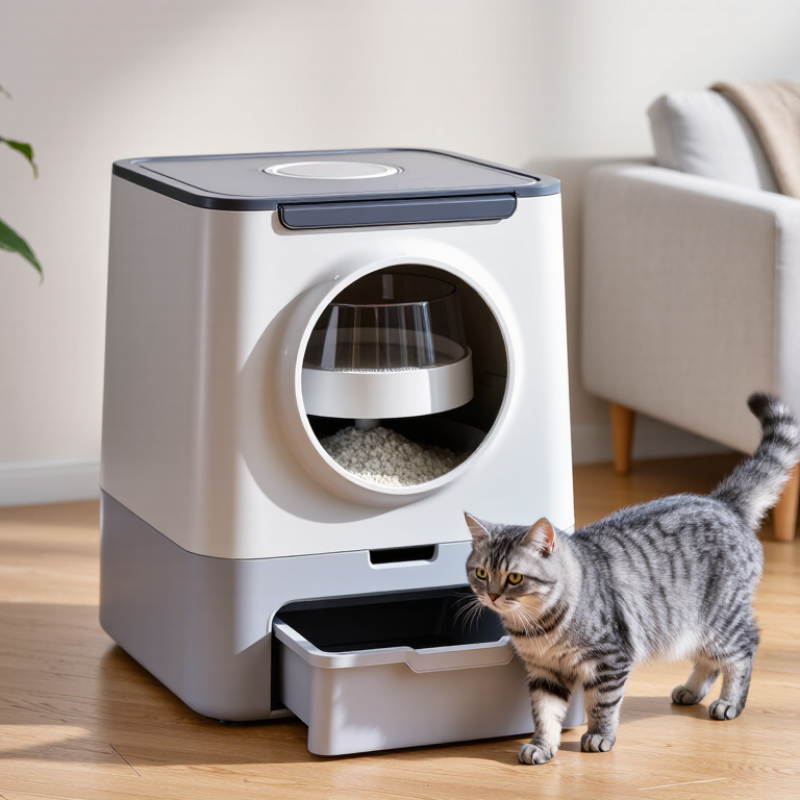
What Is an Automatic Cat Litter Box?
What Is an Automatic Cat Litter Box?
An automatic cat litter box is a powered toilet system for cats. It detects a visit, waits briefly, and removes clumps without daily scooping. Most models use a rotating drum, moving rake, or sifting tray. Waste then drops into a sealed drawer or disposable liner.
The process looks simple.
A cat enters the box, and sensors record its weight or movement. After the cat leaves, a safety delay allows urine clumps to harden. The cleaning cycle then separates waste from reusable litter. Some systems send alerts when the drawer needs emptying. Sensors can also stop movement if a cat returns.
It is not maintenance-free.
The American Pet Products Association’s 2023–2024 National Pet Owners Survey estimated that 46.5 million U.S. households owned cats. That scale helps explain the demand for easier litter care. Still, convenience should not replace observation. The American Association of Feline Practitioners recommends providing one litter box per cat, plus one extra. A single automatic box may therefore be insufficient in a multi-cat home.
From practical use, the drawer, sensors, and surrounding floor still need regular cleaning. Some cats dislike noise, movement, or a covered entrance. A cautious introduction works better: place the unit beside the familiar box, keep it switched off at first, and monitor urination habits. I would not treat an automatic box as a health diagnostic tool. Changes in frequency, straining, or urine volume deserve veterinary attention.
How Does the Cleaning Cycle Work?
An automatic cat litter box detects when a cat enters and leaves the chamber. Most models use weight sensors or motion detection. The cleaning cycle usually waits several minutes after departure. This pause allows urine clumps to firm up. Timing is important. Cleaning too soon may break soft clumps and spread residue.
During the cycle, a rake, rotating drum, or sifting screen separates waste from clean litter. The waste moves into a covered drawer or lined container. Usable litter returns to the main bed. Sensors may stop the mechanism if a cat approaches. In my experience, the process is quieter than expected, but not always silent. A missed clump can still happen, especially with sticky litter or an uneven surface. Regular inspection remains necessary.
Tips: Use the litter type recommended by the manufacturer. Keep the unit on a firm, level floor. Empty the waste drawer before it becomes full. Wipe sensors and moving tracks with a damp cloth. Avoid soaking electrical parts. Watch your cat during the first few cycles. Some cats dislike the movement or sound and may avoid the box. A short delay is normal. A repeated error is not. Check the manual, inspect for trapped litter, and contact qualified support when the problem continues.
What Is an Auto Cat Litter Box and How Does the Cleaning Cycle Work?
An automatic cat litter box typically detects when the cat has left, waits several minutes to allow the waste to firm up, then separates the clumps from the clean litter and moves them into a covered waste compartment. The cycle shown is a representative 9-minute sequence; actual timing varies by model and settings.
What Safety Features Protect Cats and Owners?
What Is an Auto Cat Litter Box and How Does It Work?
An automatic cat litter box uses a sensor, motor, and rotating or raking mechanism. After a cat leaves, the unit separates waste from clean litter. A short delay helps prevent contact with fresh waste. Safety matters more than convenience.
Look for weight sensors and infrared motion detection. These systems should pause cleaning when a cat approaches. Anti-pinch protection can stop the motor if movement becomes restricted. Jam detection is also useful, especially when clumped litter hardens near moving parts.
Enclosed waste drawers may reduce odor and contact, but they still need regular emptying. The 2023–2024 APPA National Pet Owners Survey reported that about 46.5 million U.S. households owned cats. That scale makes reliable pet-device design important.
However, APPA ownership data does not certify any product’s safety. Check the manufacturer’s testing documents and applicable electrical-safety compliance.
Tips:
Place the unit on a stable, dry floor. Keep cords away from chewing cats. Test the sensor with an empty cycle before use. Watch your cat during the first several cleanings. A nervous cat may avoid a noisy machine. A low-entry design can help older or mobility-limited cats.
The AAFP and ISFM feline environmental-needs guidelines emphasize clean, accessible litter areas, yet one automated box may not suit every household. Manual inspection remains necessary. Sensors can fail. That uncomfortable detail deserves attention.
How Should an Automatic Cat Litter Box Be Maintained?
An automatic cat litter box uses a sensor and a cleaning mechanism to remove waste after your cat leaves.
Good maintenance keeps that system safe, quiet, and dependable. Start by checking the waste drawer every day. Empty it before odors spread or the drawer reaches its limit. A crowded drawer can interfere with the cleaning cycle.
Remove solid waste from the rake or rotating chamber with a small scoop. Unplug the unit before touching moving parts. Wipe washable surfaces with warm water and mild, unscented soap. Avoid strong chemicals because lingering smells may discourage your cat from using the box. Let every part dry completely before reassembly. Moisture around sensors can cause false readings.
Replace litter according to the manufacturer’s instructions, and remove clumps stuck to the base. Inspect the sensor area each week. Dust can block detection. Check the power cord, hinges, seals, and waste-bag compartment for damage. A deeper cleaning every few weeks is practical, especially in homes with several cats. Keep the surrounding floor clean too. Cats notice small changes.
Do not assume an automatic box removes every responsibility. I once cleaned the drawer regularly but ignored litter buildup underneath the tray. That mistake caused odor and uneven operation. Watch your cat’s habits, appetite, and bathroom frequency. Sudden changes deserve veterinary advice. Always follow the specific care instructions because designs differ.
Conclusion
An Auto Cat Litter Box is a self-cleaning device designed to reduce the daily work of removing waste from a cat’s litter tray. It usually includes a litter container, a waste collection compartment, a cleaning mechanism such as a rotating drum or moving rake, sensors, and a control system. After a cat leaves, the sensors allow the unit to identify when cleaning can begin and separate waste from reusable litter.
During the cleaning cycle, the mechanism gently moves through the litter, collects clumps and solid waste, and transfers them into a covered container that helps control odors. Safety features may include weight sensors, motion detection, automatic pauses, and protective covers to prevent operation while a cat is nearby. Regular maintenance is important for reliable performance: empty the waste container, refill and level the litter, clean accessible parts, check sensors, and follow the device’s care instructions. With proper upkeep, an automatic litter box can support a cleaner, more convenient environment for both cats and their owners.
 Ducky Sourcing
